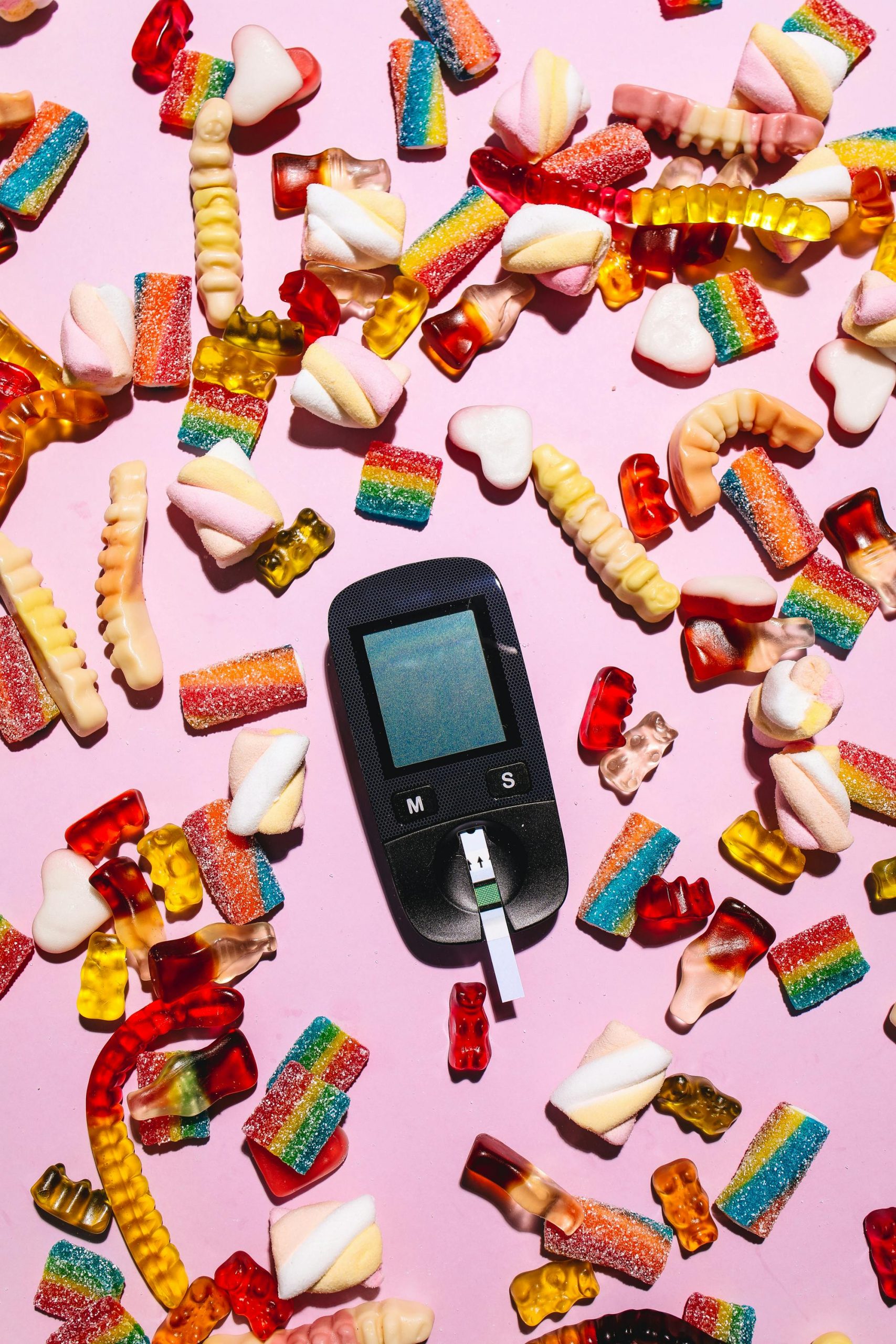
South Africa’s festive season promptly starts on 01 December – without fail. The month is filled with little sweet treats, festive cocktails, and long lunches – not to mention glazed gammon, peppermint crisp tart, trifle, and sneaky soft serves after a scorching day. Although fun, these gatherings and foods can feel overwhelming if you’re navigating diabetes (or cooking for a loved one who is).
Instead of approaching December with dread, arm yourself with clarity: what diabetes actually is, how it’s caused, and what food myths make the holidays harder than they need to be. With a dietitian’s help, we break down the basics so you can celebrate with confidence – not confusion.
Diabetes 101
To get the facts straight, we spoke with registered dietitian Nathalie Mat, asking her to break down the basics while busting a few myths.
What’s the difference between Type 1 and Type 2?
Both types of diabetes occur when the body is unable to manage blood sugar. In Type 1, the body is unable to produce insulin, the hormone/key that opens cells to let sugars into the blood. Type 2 is where the body typically still produces insulin, but the body cells are resistant to the message of the insulin. Type 1 is commonly seen in younger people, and Type 2 is seen in adults – but this is not always the case.
Festive tip: Both types need blood sugar awareness, especially at buffets, shared plates, snack tables and dessert runs.
What are the causes for each type?
Type 1 diabetes is caused by the body attacking its pancreatic cells, causing destruction of the cells that produce insulin. Type 2 diabetes is commonly a combination of genetic susceptibility and poor lifestyle choices (diet and exercise).
Festive tip: This shows that festive food isn’t to blame, but holiday excess can impact management.
What are the early signs/symptoms of both types?
Signs of concern include: increased thirst and hunger, unexplained weight loss, frequent urination, mood changes and tiredness.
Festive tip: If you notice these during Dezemba festivities, book a check-in – don’t wait for January.
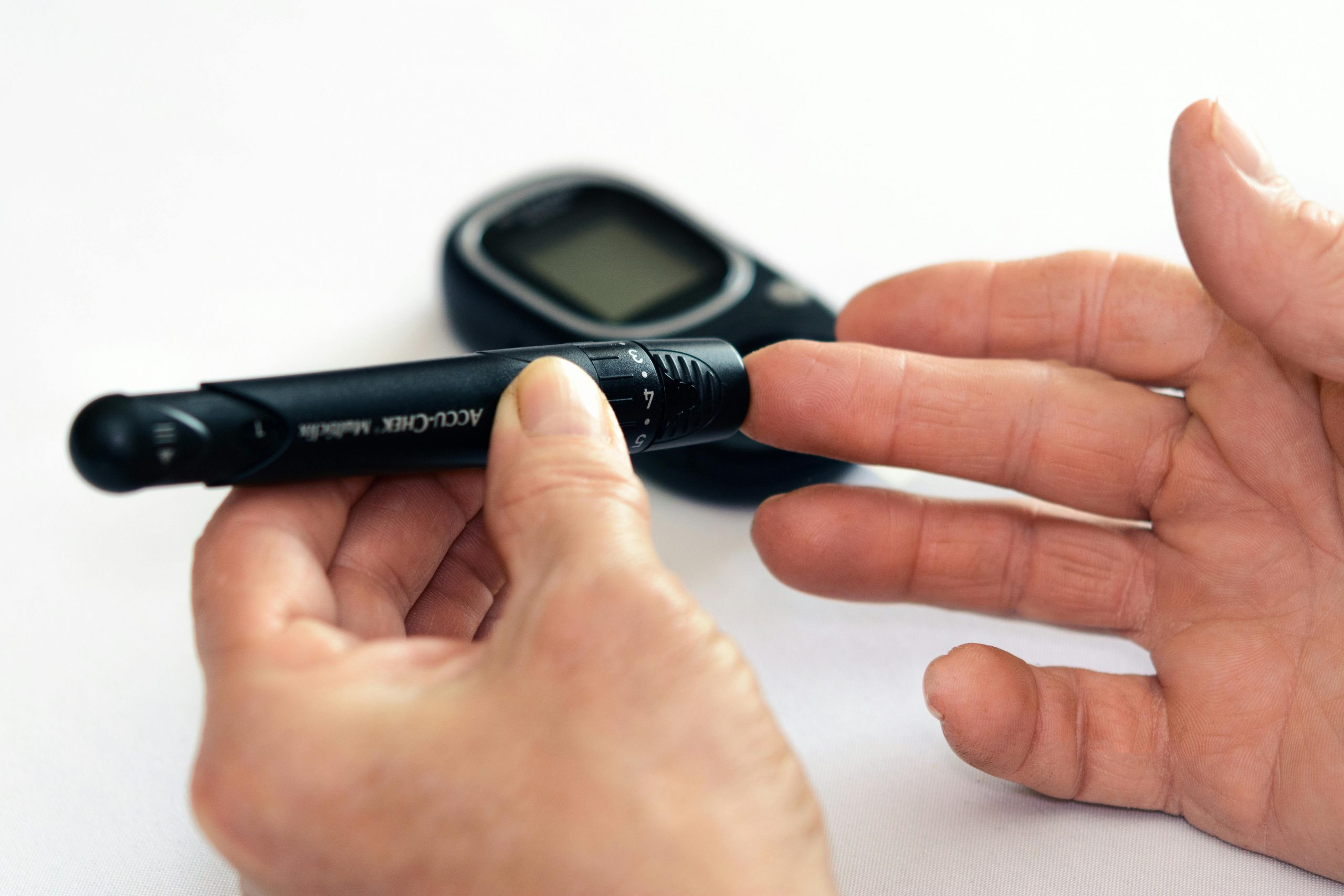
What are the most common food myths you hear about diabetes?
The most common food myth I hear is that people with diabetes need special food. You do not have to buy expensive, diabetes-focused versions of every food. The main goal of diabetes management is blood sugar control. This can be done by making better choices with everyday foods.
A second common myth is that diet can “cure” diabetes. To be clear: no diet can cure diabetes. When people are first diagnosed, it is possible that it can be reversed or properly managed, if they have not had diabetes for long, and their diabetes was a direct result of poor diet and lifestyle.
And lastly, many people still believe that diabetes is a chronic and progressive disease. Most people with diabetes will learn how to manage their blood sugar levels after diagnosis. Well-controlled blood sugar levels are the only way to manage the condition.
Festive tip: Eat mindfully and in moderation, while still enjoying the same foods with your loved ones.
Can people with either type of diabetes follow the same diet?
Yes, the basics of a diabetes plan follow the same principles as a healthy, well-balanced diet that everyone should follow. The only difference is that people with diabetes have to pay closer attention to the total amount of carbohydrates they consume and ensure their bodies can manage it effectively. This may mean limiting carbohydrate portions and matching portions to insulin if needed.
Festive tip: You don’t need a separate plate or sugar-free dessert table, just mindful portions and spacing meals.
When should you see a doctor or a dietitian?
Anyone diagnosed with diabetes should check in with their team twice a year to assess whether their blood sugar control is well managed. There is a learning curve about one’s body when diagnosed with diabetes, and so, you may need several appointments to learn how to manage your sugars well.
A dietitian or diabetes educator can help you understand and coach you on the diet side. Your doctor will help with the medication side of things, ensuring that your kidneys are protected and your cholesterol and blood pressure are controlled. Additionally, you should have an eye exam, foot exam, and dental check, as these areas may be affected by poor blood sugar control.
Festive tip: Book appointments before the festive break, if possible, or at least early January.
What is one simple daily eating habit that helps stabilise blood sugar?
Eat regular meals, with balanced proportions of protein, carbohydrates and vegetables. Limit adding sugar to beverages, or drinking sugary drinks, as these will spike blood sugar levels quickly. Always pair carbohydrates with proteins, fibre with fat – and keep portions moderate. We do not need to avoid all carbs, but we should be mindful of portions.
Festive tip: Keep to the golden rule of thumb. Pair proteins with carbs (gammon with boiled potatoes), and fibre with healthy fats (roasted veggies using olive oil instead of butter).
This season is about connection, not glucose guilt. With balanced plates, you can celebrate fully and enjoy every bite – guilt-free and prepared.