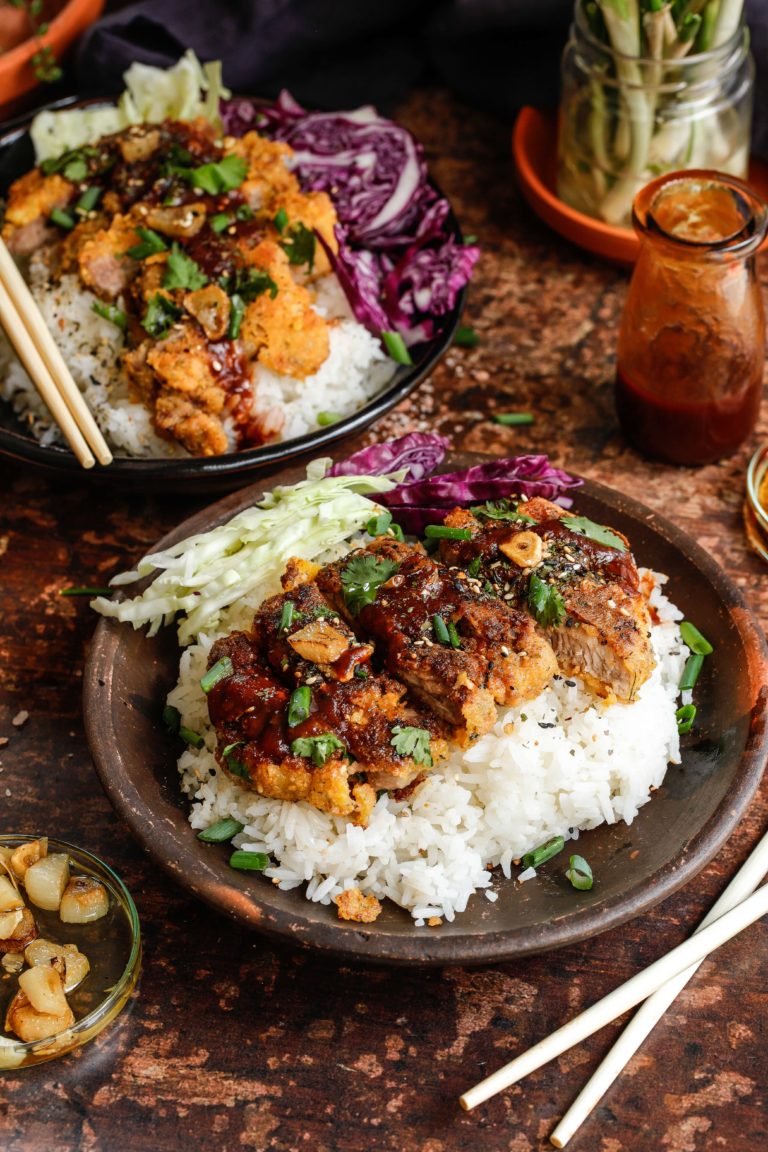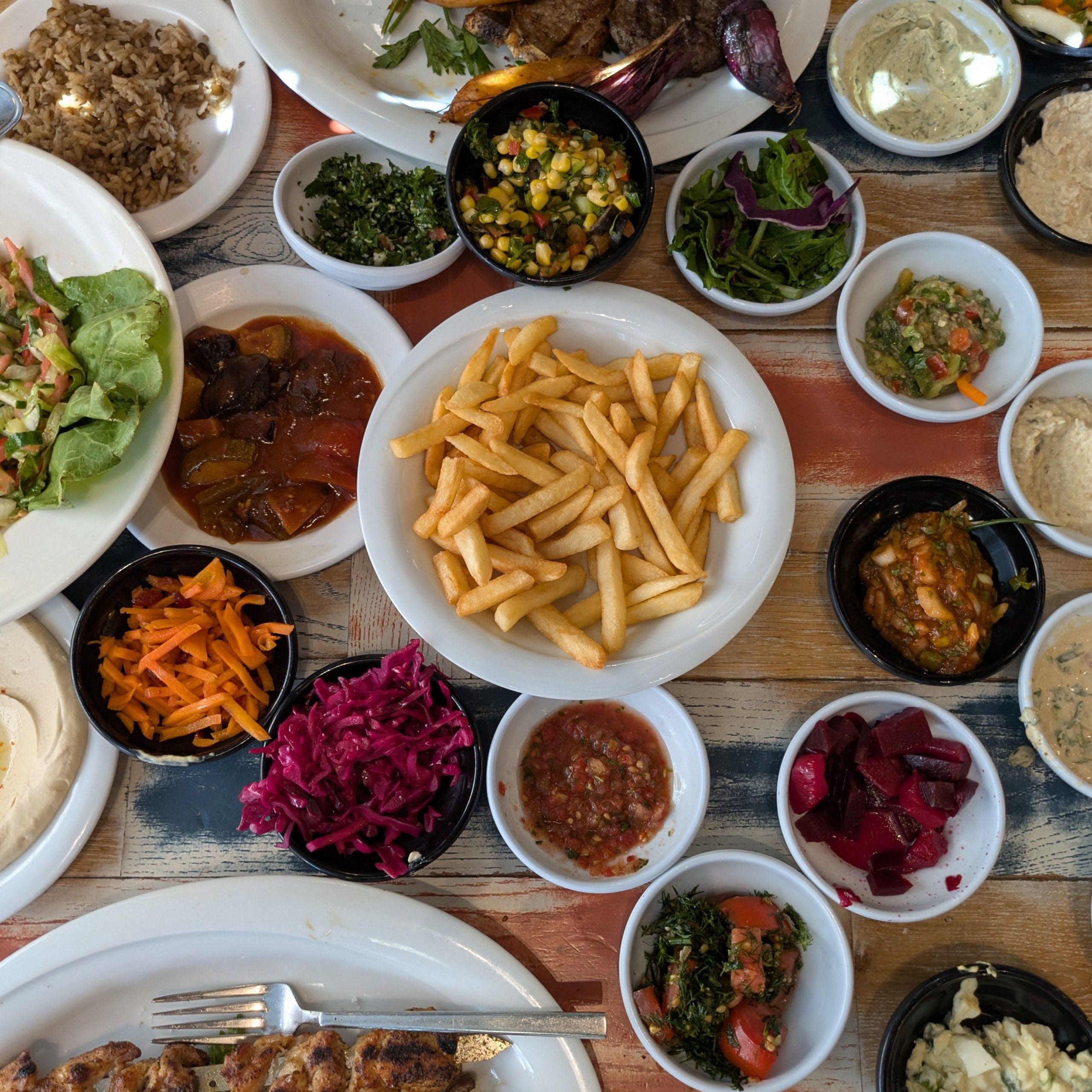
For many South Africans, Sunday lunch is more than just a meal – it’s a ritual. A table filled with slow-cooked meat, colourful vegetables, comforting starches, homemade bread and plenty of gravy is a familiar sight in homes across the country. Often referred to as a ‘Seven Colours’ meal, this generous spread has become synonymous with comfort, family and coming together.
There’s no definitive recipe or set list of dishes for a Seven Colours meal. What lands on the plate depends on the family, culture, occasion and, often, what’s been passed down through generations. But the spirit remains the same: an abundance of food, made with care, shared around a table and enjoyed together.
SA’s iconic Seven Colours Meal
While there isn’t a specific recipe or list of meals, Seven Colours is an event synonymous with many South African families. A rough work or school week, recovering from an illness, or coming back home from a trip away calls for only one real pick-me-up: Sunday lunch.
Each culture and family has their own favourites, but the foundations remain the same: a hearty and slow-cooked meat, three or four vegetable dishes, a starch or two, and of course any type of bread to mop up the golden gravy left over on the plate.
Whether you call it ‘Sunday Lunch’ or ‘Seven Colours’, your plate will no doubt be filled with chicken or beef, rice or pap or potatoes or samp and beans, butternut, spinach, carrots, pickled beetroot, gravy and some steaming bread. Most SA families serve up more or less something similar – but why?
A rainbow nation serving up culturally significant meals
We all know how food and culture are inseparable, and can, at times, be tricky to discern where the one starts and the other ends.
Food and recipes are passed down from generation to generation not only to nourish families or because they taste good, but also as an education. At any cultural event, food is a given. It’s a way of expression – whether it be age-old traditions, celebrations, lending a welcoming hand to others, or pride – and the type of food served will always give you insight into any family or culture.
Our Seven Colours meals tell a story of unity in our diversity. Whether it be a simple family braai, after-church Sunday lunch, funeral, wedding or any other traditional ceremony, that plate of food filled with seven or so dishes shares specific and unique stories of the cooks who made it. The way the beetroot was pickled, or the type of bread served, or how the meat was slow-cooked – all these seemingly simple dishes actually have complex stories that span generations.
All you have to do is taste, and the conversation has started.
Create your own plate or experience it
Seven Colours is not only a delicious and complex foundation of South African culture, but it is also flexible and personal. There are no strict rules or set recipes, making it available and accessible to all, leaving the colour and flavour combinations all up to the cook/s of the day. Take inspiration from a myriad of cooks and foodies online, like Zola Nene.
If you’re too anxious to try it out at home, there are plenty of local restaurants that cram the experience onto their plates. Spend your next Sunday at your local restaurant serving up a jam-packed plate of soul food like Seven Colours Eatery (Cape Town), Little Addis Café (Joburg), and Sakhumzi (Joburg). Never mind the never-ending list of hotels and boutique hotels that offer a delicious Seven Colours meal, too.