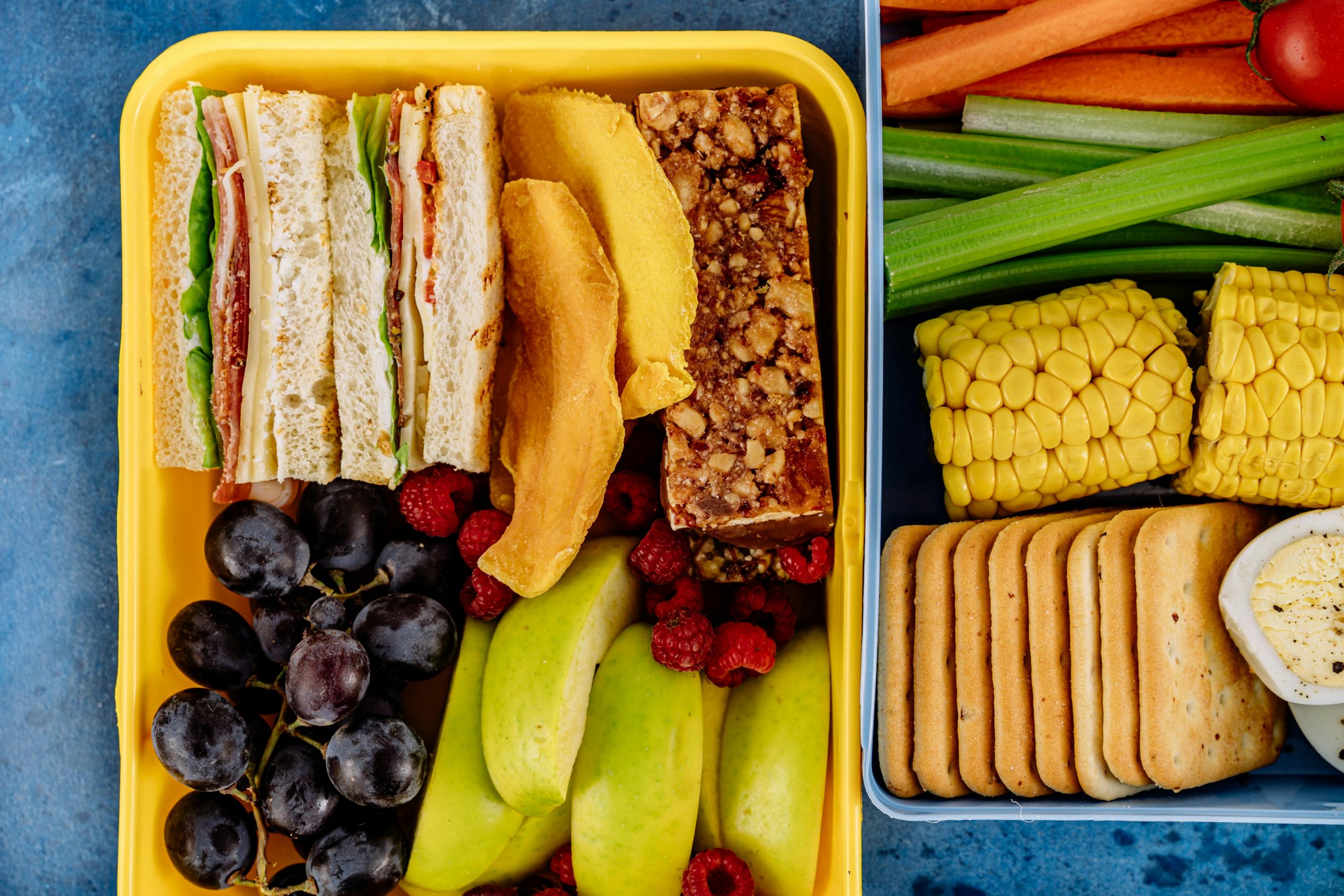
Packing school lunches can feel like a daily puzzle. You want something quick, filling and delicious – but also nourishing enough to power busy days in the classroom.
Cold meats such as ham, viennas and salami might seem convenient, yet they’re not the best everyday choice. The World Health Organization (WHO) classifies processed meats as Group 1 carcinogens due to strong evidence linking regular intake to certain cancers, particularly colorectal cancer.
The good news? There are wholesome alternatives that are just as easy to prepare – and far more supportive of growing bodies and developing brains.
Roast chicken, sliced and ready
Tender, skinless chicken is a simple upgrade. It’s rich in protein, naturally lower in saturated fat, and free from the preservatives often found in processed options.
Roast extra chicken at dinner and slice leftovers for sandwiches or wraps the next day. Add mashed avo, crisp lettuce or grated carrot for colour and crunch.
Tinned tuna or flaked salmon
Fish is a brilliant brain booster. Tuna and salmon are packed with omega-3 fatty acids, which support focus and cognitive development. They’re also a source of vitamin D and iodine – important for immunity and healthy growth.
Stir tuna with a spoonful of yoghurt or mayo for an easy filling, or serve flaked salmon with wholewheat crackers and cucumber sticks. It’s fresh, satisfying and lunchbox-friendly.
Eggs
Eggs are one of the most versatile proteins you can keep on hand. They contain choline, iron and vitamin B12 – nutrients linked to memory, energy and concentration.
Boil a batch at the start of the week for quick grab-and-go lunches. Egg mayo sandwiches, mini omelettes or sliced boiled eggs with a pinch of salt all work beautifully.
Better-choice sausages
If sausages are a firm favourite, look for lean chicken or turkey versions, or explore plant-based varieties. Many contain less saturated fat and fewer additives than traditional pork or beef options.
Serve them sliced in a roll with tomato relish, or tuck into a wrap with grated cheese and baby spinach.
A few thoughtful changes can transform the lunchbox. By choosing whole, minimally processed proteins, you’re creating meals that are nourishing, flavourful and aligned with global health guidance. It’s about balance – food that tastes good, travels well and helps young minds stay sharp from first bell to final lesson.
ALSO SEE: HOW TO PACK A LUNCHBOX LIKE A PRO