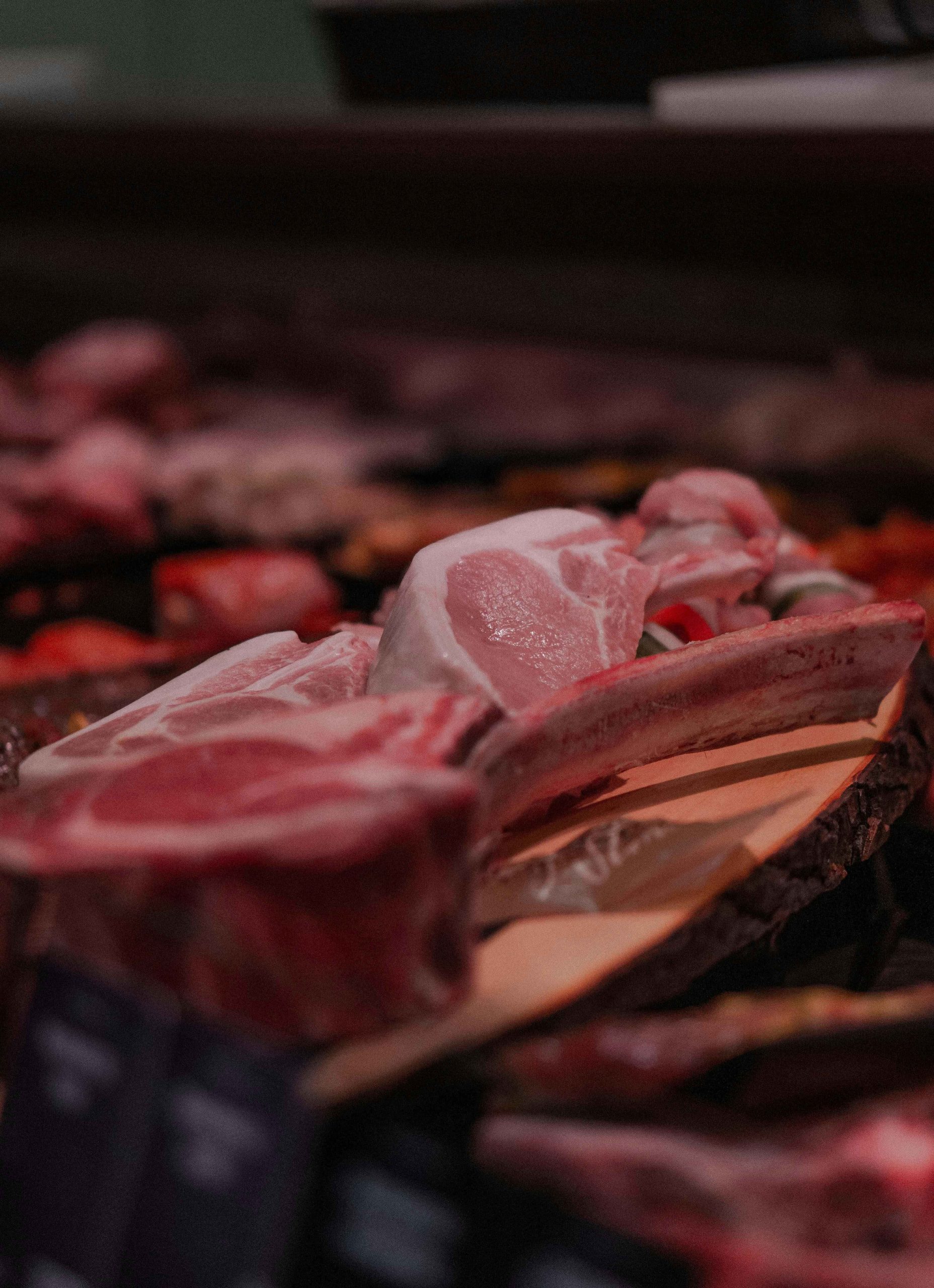
Just when it feels like grocery budgets can’t stretch any further, South Africans are faced with yet another challenge: rising meat prices. The recent foot-and-mouth disease (FMD) outbreak has disrupted the agricultural industry, driving up production costs and, ultimately, the price consumers pay at the till.
While meat from recovered animals remains safe for human consumption, the added costs farmers are faced with are filtering through the supply chain, contributing to higher retail prices.
Beef prices have reportedly seen a 20% year on year increase, with wors and chicken also seeing notable increases. For many households, this means rethinking weekly meal plans and finding ways to balance nutrition with affordability. Although meat remains an important source of protein for many South Africans, it’s no longer the most budget-friendly menu option.
The good news? Protein doesn’t only come from meat. There are plenty of affordable alternatives that can help you stretch your budget, without sacrificing flavour or nutrition.
What is FMD and how does it affect you?
Foot-and-mouth disease (FMD) is a severe and highly contagious viral disease that affects cloven-hoofed animals. It is caused by an Apthovirus, infecting cattle, goats, sheep, pigs, and other cloven-hoofed animals (like buffalo, llamas, and in certain cases, elephants). Though it is highly contagious in animals, horses, cats, dogs and humans are not affected, and it does not pose a health risk.
It is fatal in younger livestock, but with the right medical action, adults have high rates of recovery with minimal side effects. The meat of recovered animals is safe for human consumption, posing no risk of food-borne illness. So, if this disease only affects animals, why does it affect you as a consumer?
Outbreaks can be devastating for farmers. In order to protect their livestock, farmers need to take immediate action. Infected livestock need to be quarantined, farms disinfected, and strict biosecurity measures implemented. In severe cases, young or badly affected animals need to be euthanised.
These measures come at a high cost. Even though the disease does not affect people directly, farmers absorbing these expenses causes a ripple effect, felt by the end user – you.
10 Affordable meat alternatives
Luckily, that’s where meat alternatives come into play. Protein comes in many shapes and forms, not only from animals, and one way to hit your daily protein goal is to look into plant-based alternatives. Nowadays, they’re readily available and pretty affordable. Not to mention their versatility in the kitchen, making dinner options easy and endless.
Here are 10 meat alternatives you should consider adding to your next shop to help keep your budget intact:
- Soy protein
- Tofu
- Tempeh
- Wheat protein
- Green spelt
- Oats
- Black beans
- Chickpeas
- Pea protein
- Lentils
From hearty stews and curries, to meat-free braai alternatives, plant-based proteins help you create tasty, nutritious and affordable meals without blowing your budget.