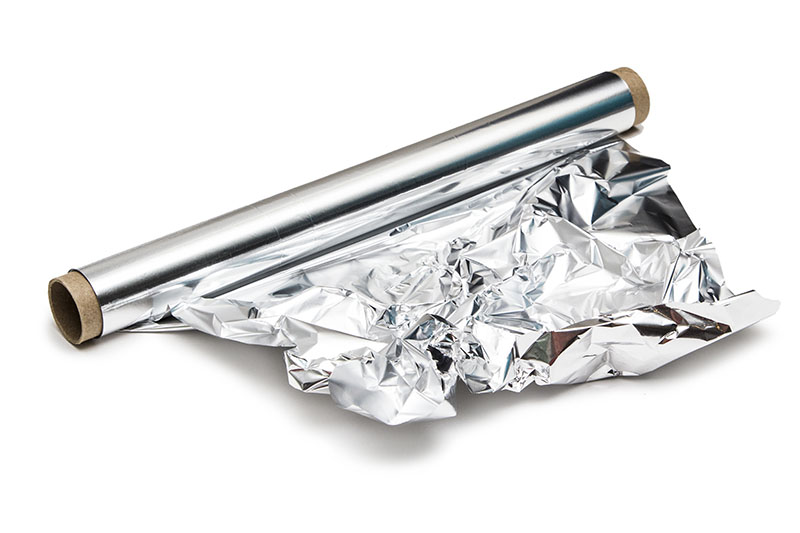
From wrapping whole potatoes for roasting and covering the tray for your next roast chicken to storing leftovers and even cleaning surfaces, tin foil is kind of an unsung hero in the kitchen. Since it’s such a versatile product, you’d think wiping it down and reusing it (like I do) is the best way to keep the box lasting for a couple of months. But is it really safe to reuse? We find out what the experts have to say.
Is reusing tin foil safe?
Yes, in most cases it’s perfectly fine to reuse. However, there are a few limitations. Without proper cleaning or disinfecting, used tin foil can lead to microbial contamination and even foodborne illnesses.
- Don’t reuse tin foil that’s been covering or wrapping raw meats, especially raw chicken
- Never reuse tin foil without wiping it down and disinfecting it
- Check for any food residues first before reusing it again
- If it’s crinkled and overly-creased, there is a higher risk of contamination, since the crevices from the crinkling are the perfect hiding spot for most microorganisms (even hot soapy water won’t clear out all of them)
If the tin foil has only been used once, then it’s generally safe to reuse – especially if it hasn’t come into direct contact with moist or greasy foods, or used to cover raw meat. Reusing tin foil that’s covered or helped roast dry, non-greasy foods, like bread, a quick wipe and sanitise will make it almost as good as new.
Remember to smooth out your used tin foil before cleaning and sanitising so you ensure its entirety has been cleaned and can dry out properly.
If that piece of tin foil is too far gone for cooking or storing food, give it a clean and instead, crumple it up to use for cleaning. It still has one more use left before ending up in the bin. Use it as a scrubber for stubborn stains and marks in pots and pans, or harsh, hard water marks on shower doors.
The best and worst foods to store in tin foil
Use tin foil to wrap and store dry or low-acid foods like:
- cooked meats
- roasted vegetables
- bread
- cut avocado
- baked goods
Avoid wrapping or storing these foods with tin foil:
- acidic foods like tomatoes, citrus, foods or sauces made with vinegar and wine (the acid can weaken the tin foil and cause oxidation, leading to holes and metallic tastes)
- super salty foods like cured meats and aged cheeses (the salt can cause the tine foil to leach into the food, disrupting the taste)
- marinated meats (same effects as acidic and overly salty foods)
- cooked starches and legumes like pasta, rice and beans (tin foil can trap heat and moisture, a cooked starch and legume’s worst enemy, leading to cross-contamination and growth of harmful bacteria)
Also See: Pantry spotlight: Everything you need to know about miso paste
Pantry spotlight: Everything you need to know about miso paste
Feature image credit: Children’s Museum