Designing and decorating a beautiful and personal home is more than just stylish decor – it’s about creating a space that reflects your lifestyle and feels good to live in every day. Even with the best intentions, it’s easy to fall into common design traps that make your space feel less cohesive and more chaotic. Mismatched styles, awkward layouts, poor lighting, and poor curtain placements can be a thing of the past.
In our guide, we teach you how to spot and fix the most common home decorating mistakes – focusing on practical tips to help you design a home that feels balanced, intentional and totally yours.
5 Home decorating mistakes
1. Overcrowding
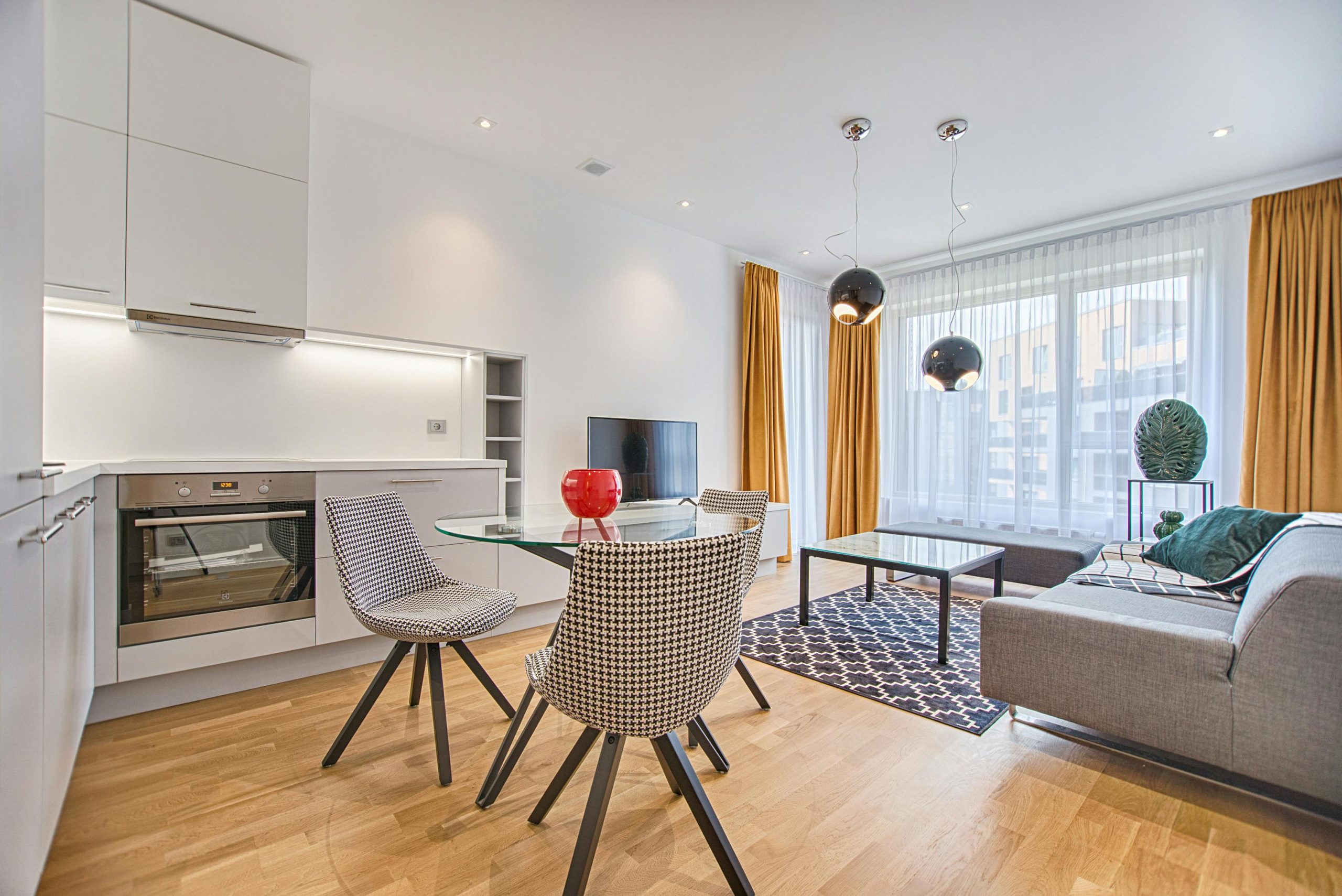
When every corner of a room is filled with furniture, or when pieces are clearly the wrong size, it makes a room feel cluttered and overwhelming. Who wants to squish past a massive, chunky coffee table to get to a tiny couch? You certainly don’t want to feel claustrophobic in your own living room. Scale and proportion are the secrets to a balanced room.
It is extremely important to measure the room and the furniture pieces you want to fill it with. If you’re working with a large room, small and delicate furniture will get lost and look unbalanced. The same goes for a small room: large pieces will overcrowd it and make you feel claustrophobic.
How to fix it:
- Measure the room
- Measure the furniture
- Place the furniture at least 1 to 2 metres apart from each other
- Take away items that feel like clutter
- Ensure that you and your guests can easily move in and around the room
2. Bad lighting
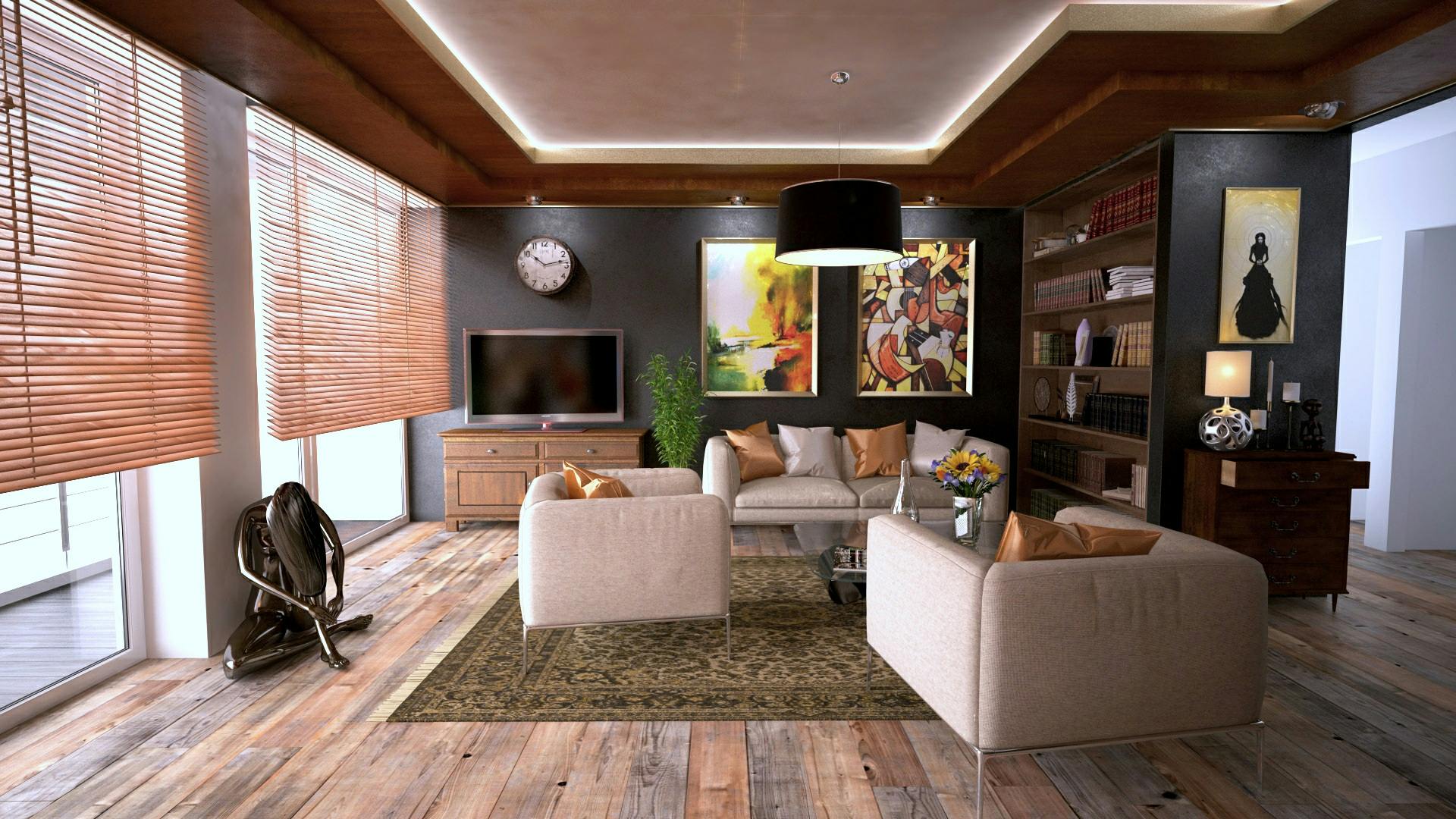
Never underestimate the power of lighting in a room – too little light takes away that cosy and welcoming mood from a space, and too much makes it feel unwelcoming and commercial. Wherever possible, consider lighting at the very start of the design and decorating process. Take note of the natural light that a space has throughout the day. Figure out the mood you’d like to set for the room. And identify which areas need more or less lighting.
How to fix it:
Use 4 to 6 sources of varying light for a standard room. This should be a combination of ceiling lights, table lamps, candles, floor lamps, wall sconces, etc.
- 1 to 2 bright lights: this helps illuminate the room and brings a fresh vibrancy to the room (especially when doing tasks like studying, cooking, or working out)
- 1 to 2 object lights: use one or two slightly warm lights directed on objects; highlight artworks, furniture, or architectural features to bring interest to a room
- 2 to 3 dimmer lights: Use other light sources at varying heights –like table or floor lamps, candles, and wall sconces – to create a natural, cosy and immersive feel
- Use 1000 to 2000 lumens for ambient lighting, and 300 to 4000 lumens for kitchens and bathrooms
3. Mismatched decor
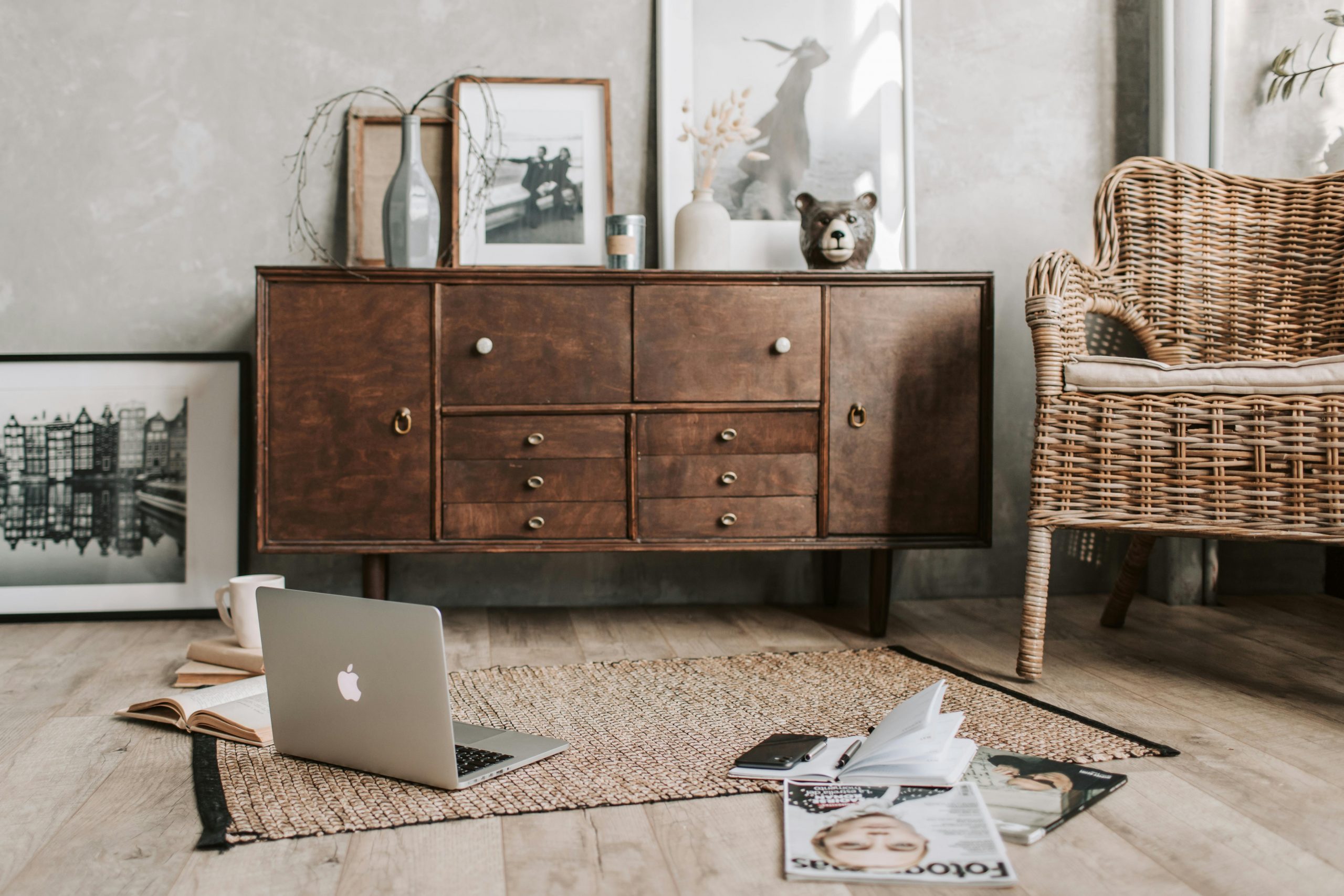
Mixing styles is popular in interior design, but without a clear theme, the space can quickly feel disjointed and cluttered. Rustic furniture pieces that are matched with modern and sleek patterns and artwork will compete with each other, creating more confusion than interest.
How to fix it:
- Choose a theme/make a mood board: This helps you keep to the moods and vibes you’re after for a space, and helps you decide whether an item fits in or clashes
- Use accent colours: instead of packing the space full of different colours and patterns, choose one accent colour to make up for about 10% of decor items
- Use pieces that speak the same language: see your home as a visual language where each piece in the space speaks the same language to create a harmonious room
4. Choosing style over comfort
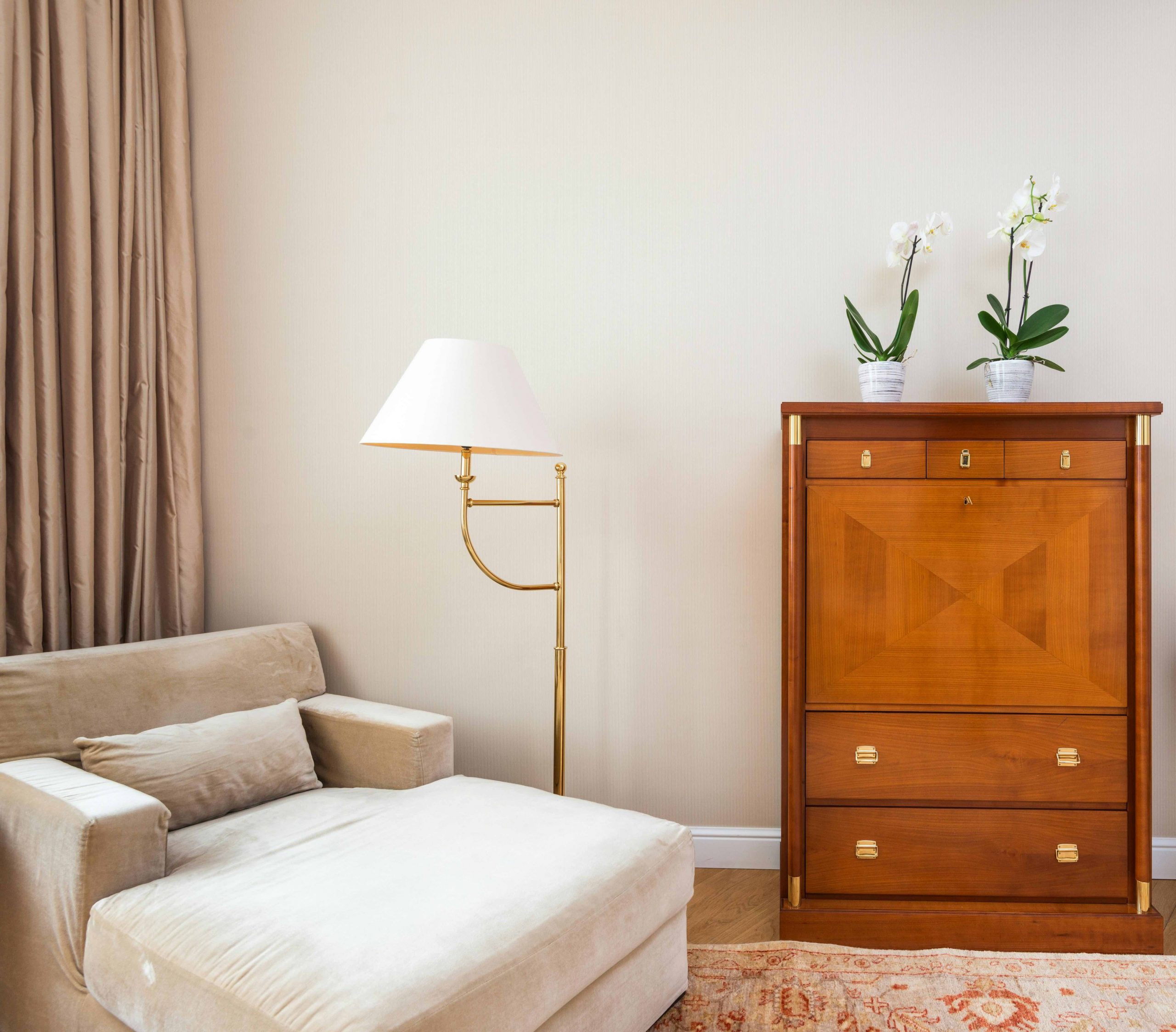
The most common decorating mistake made is sacrificing comfort for style. Your living room might be filled with an ultra-sleek couch set, but it feels like sitting on concrete slabs. The TV stand that looks amazing? You can barely store any of your other devices in it, ending up stuffing another drawer with random things. Uncomfortable and poorly functioning pieces are recipes for regret, not style.
How to fix it
- Always test furniture before buying
- Choose comfort over style – you can always tweak the piece or add items to dress it up
- Take note of the storage you need and buy pieces that will complement this
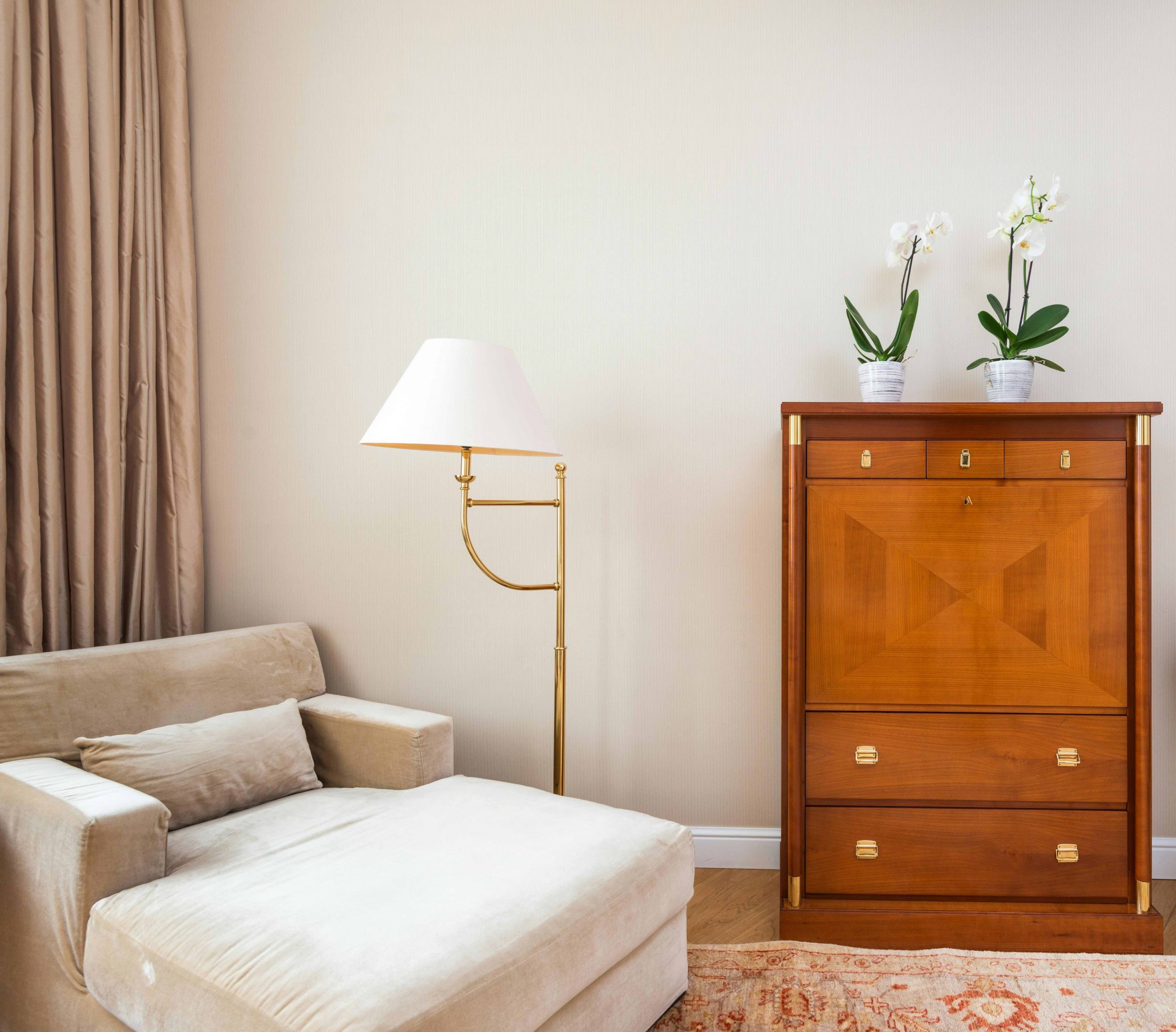
5. Mismeasuring curtains
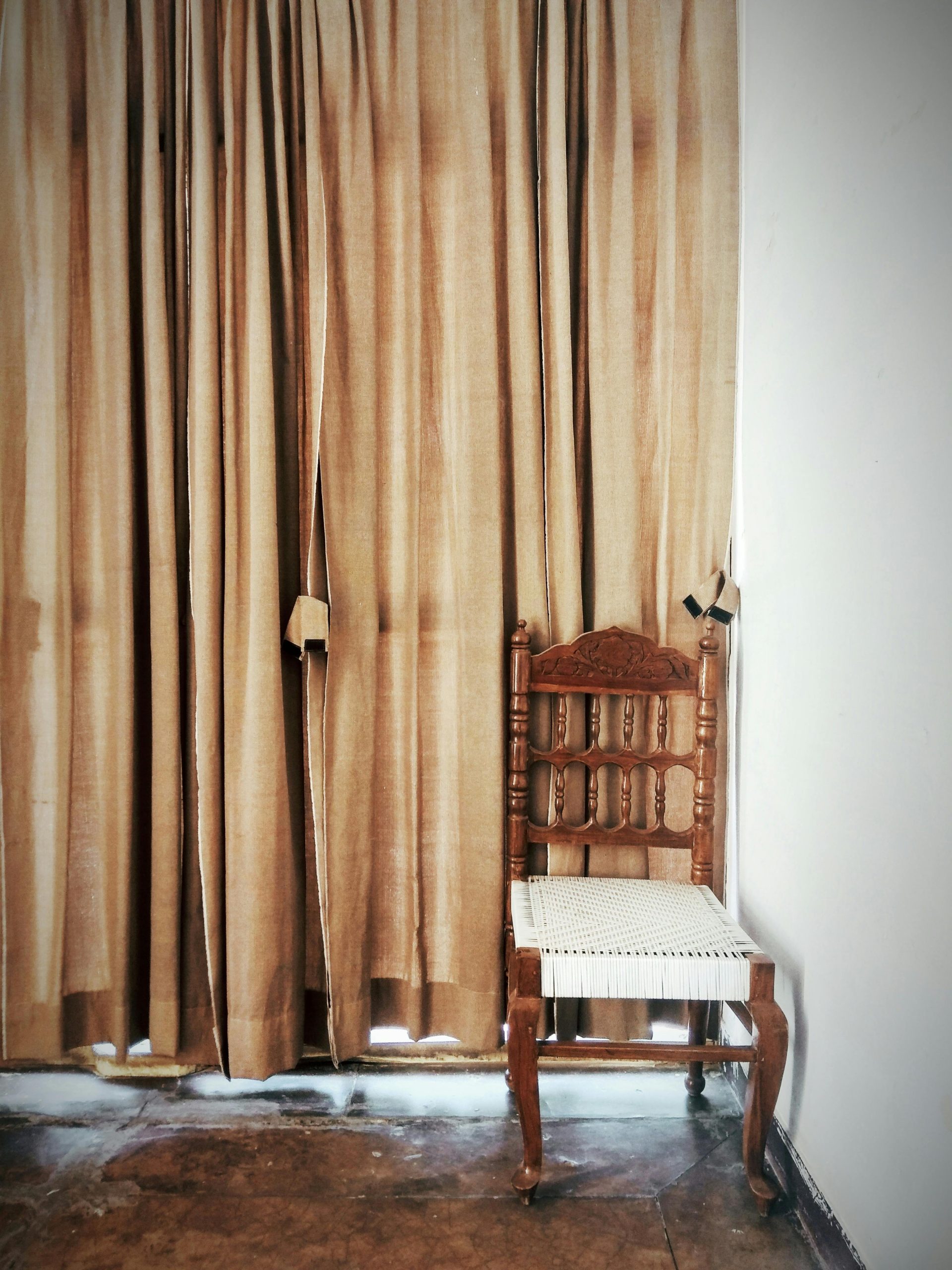
This is a small detail that has massive consequences. Curtains have a big impact on a room. Hang them too low or choose the wrong length and the entire room can feel short, clustered or off-balance. When done correctly, curtains frame windows like an expert-tailored suit. It’s not just about coverage or blocking out enough light; it’s about giving your room a polished, elevated look.
How to fix it
- Go higher: mount curtain rods closer to the ceiling to draw the eye upwards, and make spaces feel bigger than they are
- Wider, not longer: Choose a length that just kisses the floor, and bunches up volumptiously when opened; this creates texture and softness
- Keep them neutral or make them statements: curtains either need to be part of the neutral tones grounding the space, or make up the accent colour for the room; and more often than not, a neutral curtain does more work than a vibrant one