As temperatures continue to drop during winter, energy consumption often rises as households rely more on heating and lighting. Fortunately, a few simple changes can help reduce energy use, lower utility bills, and keep your home comfortable.
Use the following energy saving tips and keep your home warm and bright, and the bill at the end of the month reasonable.
Maximise Natural Sunlight
Open curtains and blinds during the day to let sunlight naturally warm your home. Once the sun sets, close them to help retain heat and reduce heat loss through windows.


Image Credit: Pexels
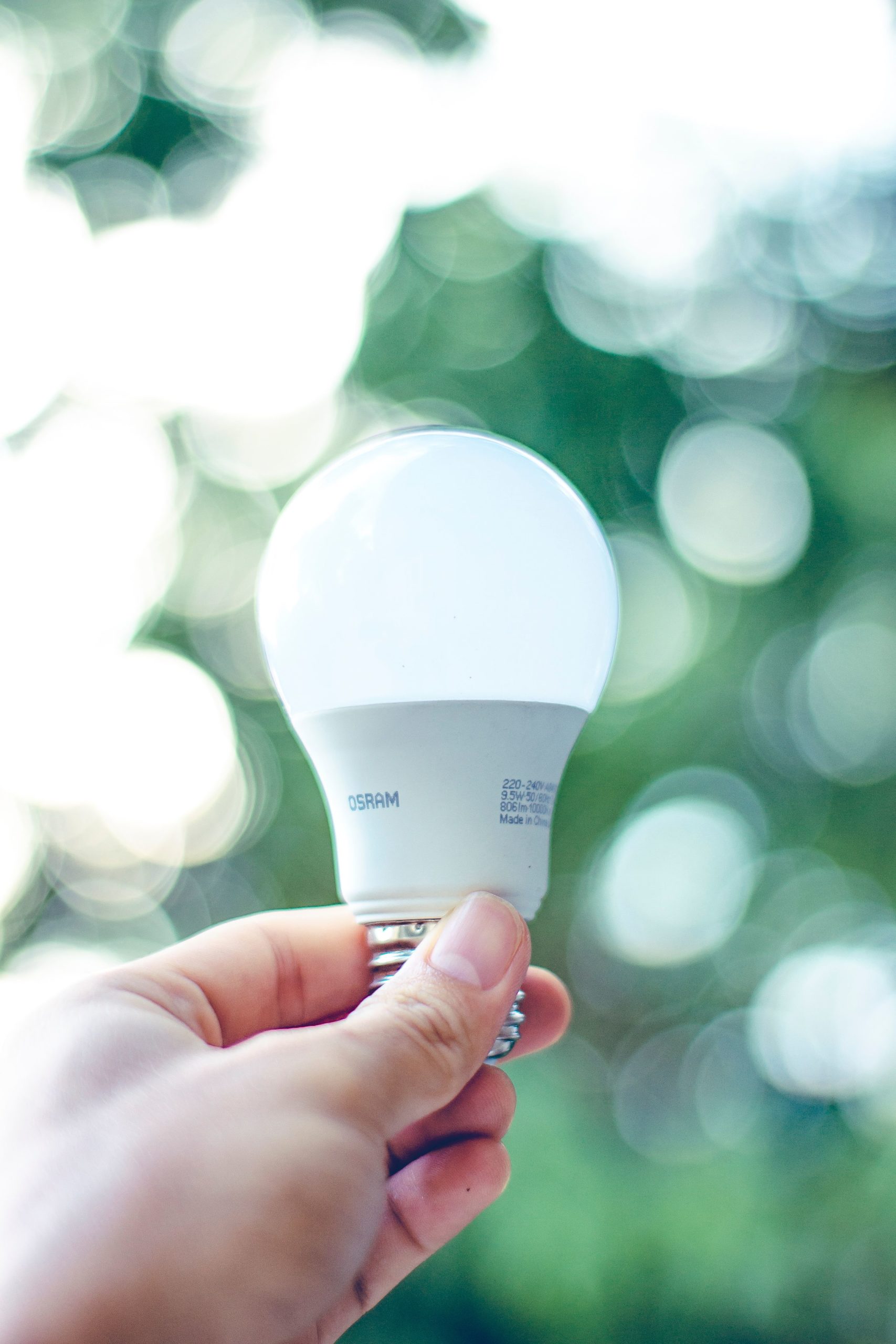
Switch to Energy-Efficient Lighting
Winter days are shorter, leading to increased use of indoor lighting. Replace traditional bulbs with LED lights, which use less electricity and last much longer.
Maintain Heating Equipment
Regularly clean or replace filters in heaters and heat pumps. Well-maintained equipment operates more efficiently, providing better heating while consuming less energy.
Reduce Hot Water Usage
Water heating can account for a large portion of winter energy bills. Take shorter showers, wash clothes in cold water when possible, and fix leaking taps to reduce unnecessary hot water use.
Unplug Unused Devices
Many electronic devices still consume power when turned off. Unplug chargers, entertainment systems, and other appliances when not in use, or use power strips that can be easily switched off.

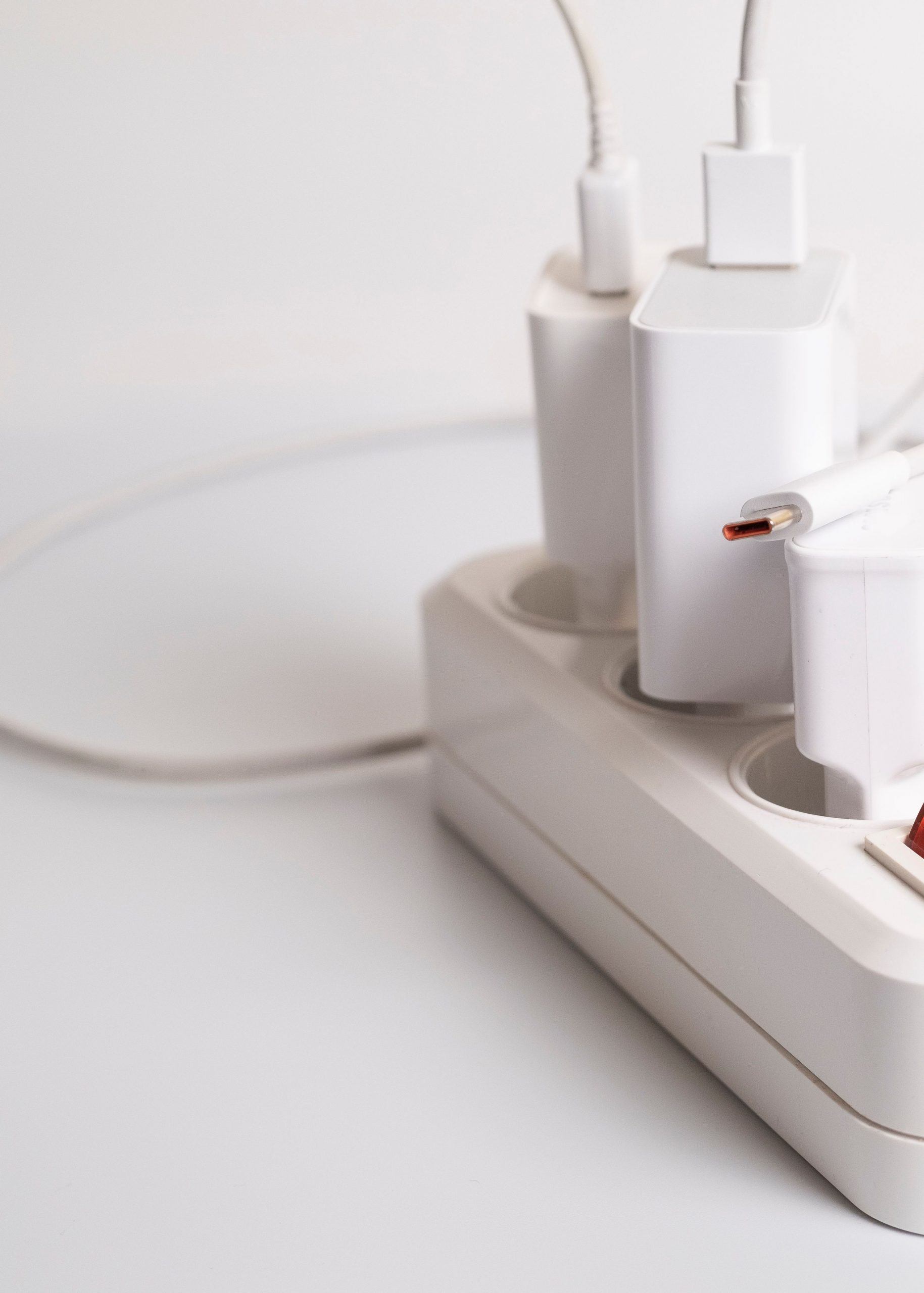
Image Credit: Pexels
Saving energy during winter does not require major sacrifices. By improving insulation, using heating wisely, and adopting energy-efficient habits, households can stay warm while reducing both energy costs and environmental impact.
Also See: How long do leftovers last in the fridge?
This article was written by Chumasande Matiwane for Garden and Home.