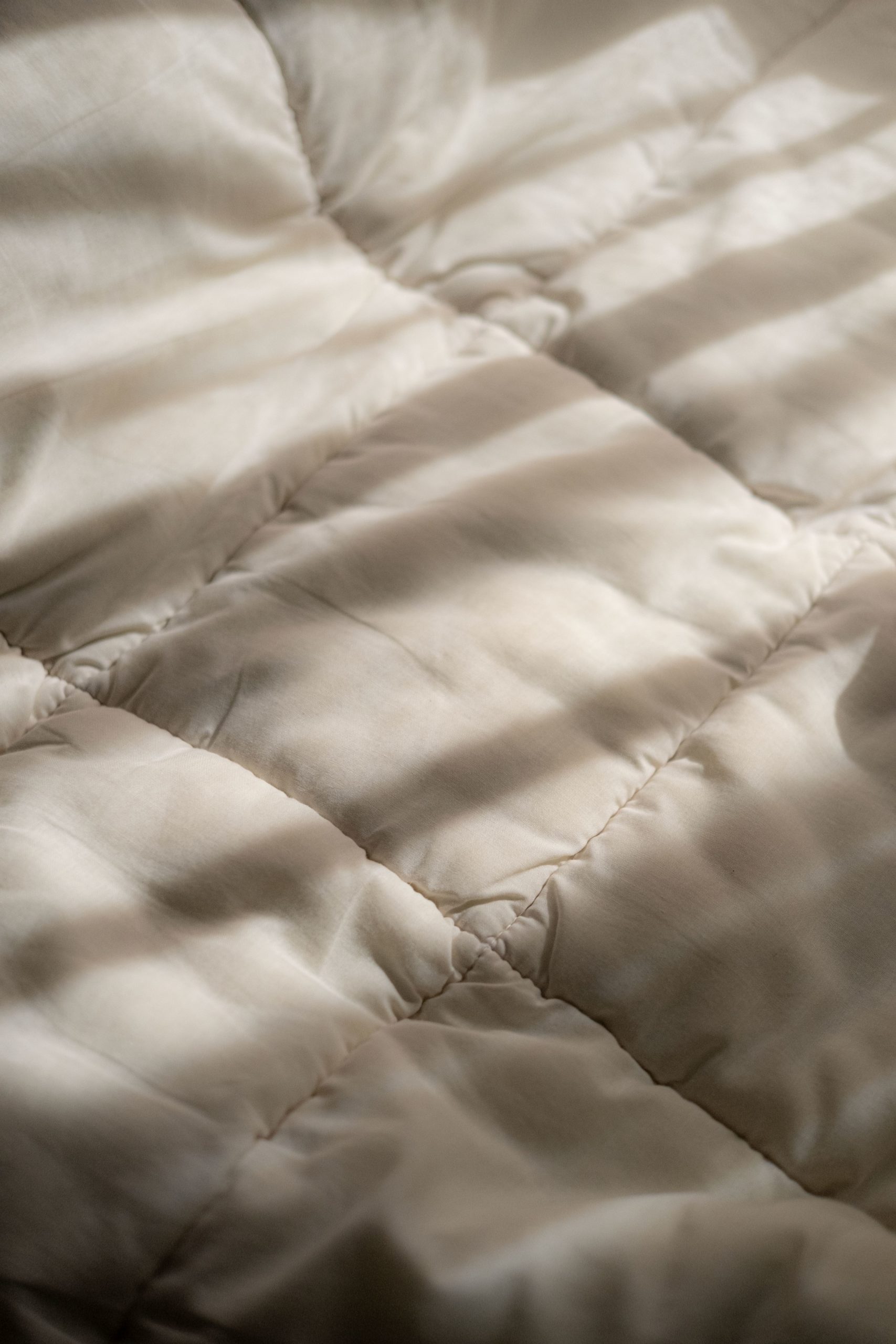
Your duvet is undoubtedly the most important component of your bed. It keeps things cosy, comfortable, and most importantly, warm. Granted, your pillows and mattress are also hard workers in this department, but a duvet really makes or breaks a bed.
However, with most things, regular use can lead to the accumulation of dust, sweat, pet dander, and other debris. To keep your duvet as fluffy, fresh and hygienic as possible, it needs some regular cleaning.
So, how regular are we talking? Follow our guide and find out how often you should wash your duvet, and other care tips to keep it in tip-top shape.
How often you should wash your duvet
First things first: what type of duvet inner do you own? Each type of inner needs specific cleaning treatments. Natural fillings, like down and feathers, wool and silk, must be cleaned professionally to maintain their shape and texture. Synthetic fillers, like microfibre, hollowfibre, ball fibre, and cotton, can be machine or hand washed. Most duvet inners have a care label that helps you make the right decision.
Next up is how often you use the duvet inner. Is it regular use, in the guest bedroom, for an allergy sufferer, or is it accompanied by pets?
- Regular use: wash twice a year, usually during seasonal changes
- Allergy sufferers: wash every three to four months
- Guest bedroom: wash once a year or after a long-stay guest leaves
- Pets: wash more regularly to get rid of pet dander and other debris, so three to four times a year
Once you’ve established that you can machine or hand wash your duvet inner, you’ll need the following:
- Stain remover (hydrogen peroxide works well for yellow stains)
- Mild laundry detergent (avoid harsh chemicals and bleach)
- White vinegar
- Chairs or a free laundry line and pegs
Washing steps
- Remove the duvet cover. Look for any stains and spot-treat with stain remover.
- Add 1/4 to 1/2 cap (depending on the size of the duvet inner) to the detergent slot. Then, to the same slot, add 1/2 cup vinegar (this helps remove odours).
- Pop it into your washing machine and choose a gentle or delicate cycle with cold or lukewarm water. Avoid hot water cycles, which can damage and cause the duvet inner to shrink.
- Rinse thoroughly to remove as much water as possible by adding an extra rinse cycle after the initial wash. Avoid the highest spin setting as this agitation can place strain on the duvet inner.
- Hang the duvet on your line in direct sunlight. Alternatively, drape over chairs in direct sunlight. Or you can tumble dry the duvet on the lowest setting.
- Rotate and agitate the duvet when it’s about half dry. This helps fluff it up and helps it to dry more evenly.
- Once completely dry, fit with a new duvet cover and use, or store in a breathable cotton bag in a dark cupboard.
Maintenance tips
You can and should maintain your duvet inner in between washes. Not only does this help make wash day easier, but will prolong the life of your duvet (and ease your sinuses).
- Shake daily to re-fluff and redistribute the filling
- Air weekly by hanging it outside in the sun (or inside next to a sunny, open window) to eliminate odours and moisture
- Spot clean small stains immediately to avoid damage, pests and unwanted odour
- Keep it stored in a breathable bag when not in use and avoid plastic bags, as this will trap moisture, leading to mildew and even mould.
Also See: How often should you wash your bedding? The complete cleaning guide
How often should you wash your bedding? The complete cleaning guide