While inflammation in our bodies does have an important purpose – to help our body defend itself against injury and infections, too much of it is not a good thing. Chronic inflammation, from a poor diet and high stress levels, can lead to serious diseases like cancer, heart disease, diabetes, arthritis, depression and Alzheimer’s.
Many researchers are finding the medicine cabinet might not be the best solution, and instead the best solution for chronic inflammation can be found in your diet. Choose the right types of foods and beverages, and you may be able to reduce your risk of chronic illness.
Next time you’re heading out for some groceries, consider buying these anti-inflammatory foods to help keep you and your loved ones in optimal health.
Natural foods to ease inflammation
Foods high in natural antioxidants and polyphenols (protective plant compounds) should be non-negotiable items on your grocery list. Foods high in these include fruits, vegetables, spices and some beverages. The best anti-inflammatory foods include:
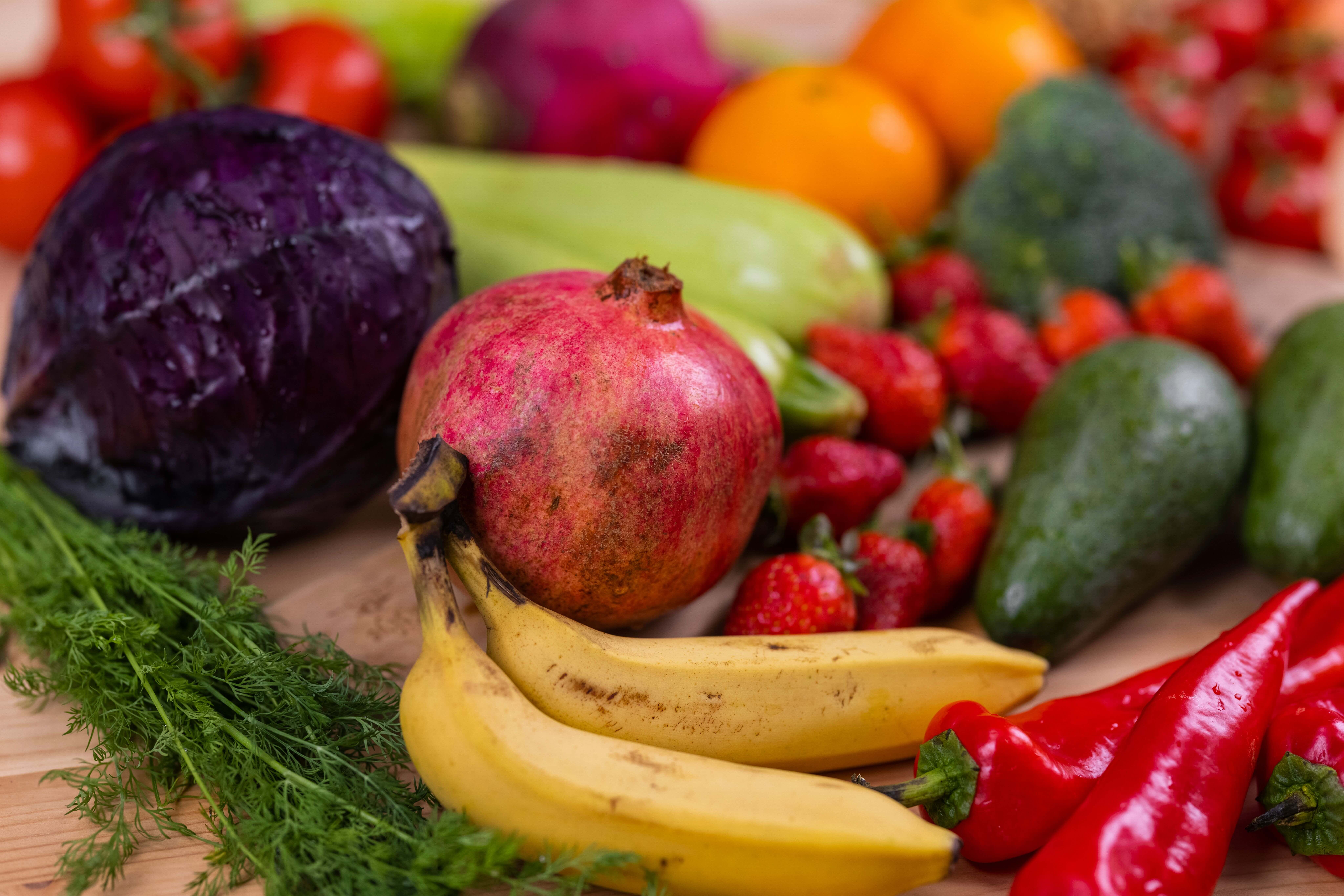
- Berries: packed with fibre, vitamins and minerals, berries are known for a specific antioxidant (anthocyanin) that may reduce your risk of heart disease and cancer.
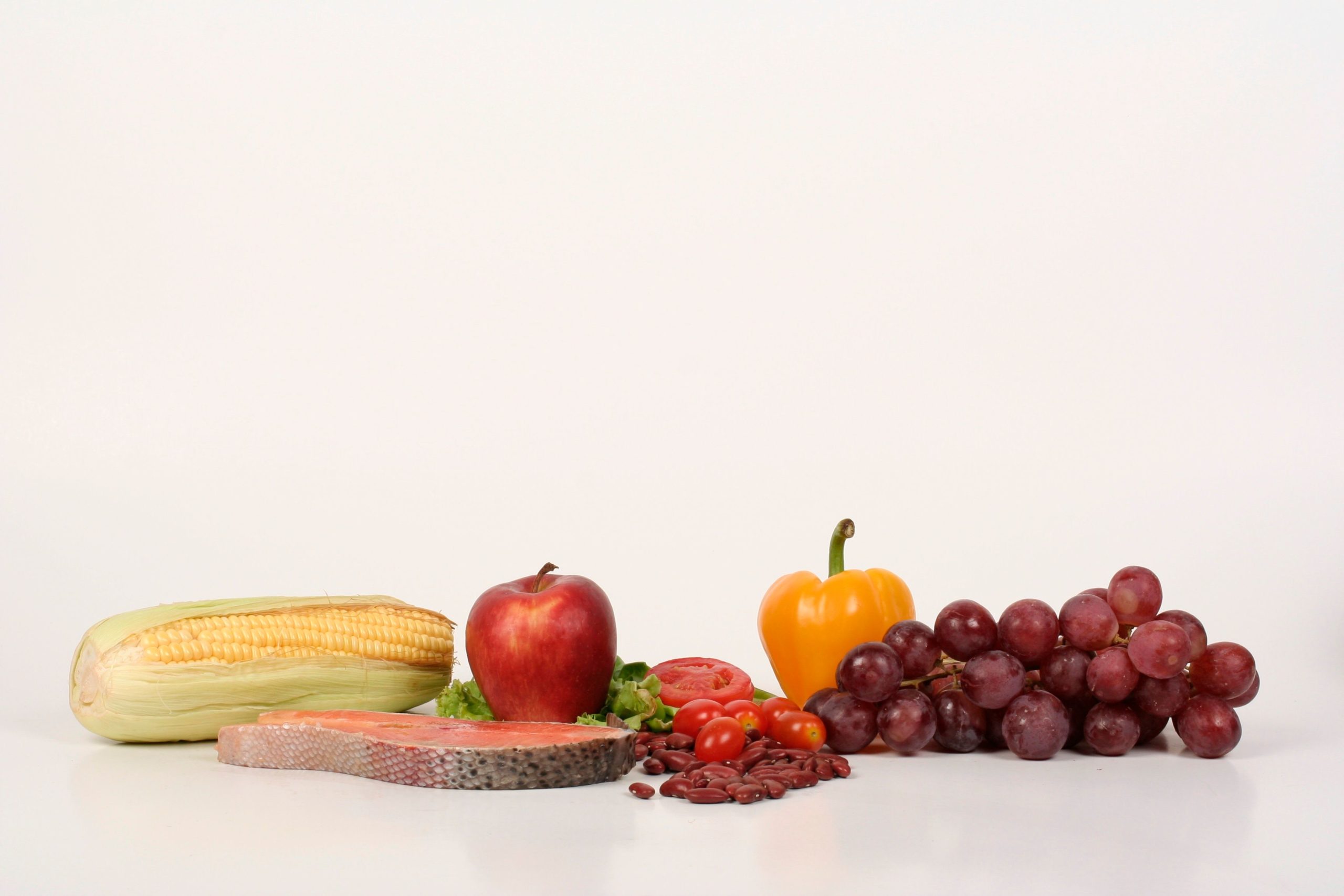
- Fatty fish: like salmon, sardines, mackerel and anchovies, contain long-chain omega-3 fatty acids EPA and DHA, which may reduce inflammation and potentially metabolic syndrome, heart disease, diabetes and kidney disease.
- Green tea: packed with antioxidant and anti-inflammatory properties, green tea contains the compound epigallocatechin-3-gallate (EGCG) that reduces pro-inflammatory cytokine production and damage to fatty acids in your cells.
- Grapes: contain anthocyanins and resveratrol, antioxidants that reduce the risk of heart disease, diabetes, obesity, arthritis, Alzheimer’s and eye disorders.
- Tomatoes: high in vitamin C, potassium and lycopene – these antioxidants are particularly beneficial for reducing pro-inflammatory compounds, many of which are related to several types of cancer.
- Cherries: rich in antioxidants, including anthocyanins and catechins, cherries are a delicious natural anti-inflammatory food source.
- Avocado: packed with potassium, magnesium, fibre, heart-healthy monounsaturated fats, as well as carotenoids and tocopherols; avocados may reduce the risk of inflammation in newly formed skin cells.
- Turmeric: popular in many drinks and curries, turmeric contains a powerful anti-inflammatory called curcumin – reducing the risk of inflammation related to arthritis and diabetes.
- Leafy greens: packed with vitamins C and K, magnesium and other antioxidants, leafy greens like spinach, kale, mustard greens, lettuce, and bok choy may help reduce inflammation markers.
- Extra virgin olive oil: not only does it pair well with fat-soluble nutrients in other foods, but it contains oleocanthal, an antioxidant compared to anti-inflammatory drugs like ibuprofen; however, watch your consumption of refined olive oils – these don’t have as many good antioxidants like their extra virgin counterparts.
While there are many more anti-inflammatory foods you can add to your diet, like walnuts, garlic, ginger, dark chocolate and even coffee (in moderation, of course), those mentioned above are the best.
Foods that cause inflammation
Inflammation that becomes chronic can be due to a few factors: high stress levels, underlying conditions (like autoimmune disorders), environmental toxins (like pollutants/chemicals/tobacco smoke), ageing, and poor diet.
While some of those factors are hard to control (like environmental toxins and underlying conditions), experts have found that maintaining a healthy, balanced diet free from inflammatory foods makes a huge difference.
Avoiding the following foods will help lower your inflammation and keep your body healthy:
- Processed foods (like fast food and processed snacks)
- Refined carbohydrates (although delicious, white bread, white rice, crackers and biscuits aren’t healthy enough)
- Fried foods (oily fried foods contain high amounts of saturated fats, potentially increasing your risk of inflammation)
- Sugar-packed beverages (skip the soda, sweet teas and sports drinks when you can)
- Processed meats (sausages, ham and other deli meats are overly processed and fatty)
While a couple of inflammatory foods won’t immediately increase your risk of chronic inflammation and diseases associated with it, the practice of reducing them (or omitting them fully) is best. As with almost anything, moderation is key. Speak to your GP or dietician before completely changing your diet.