We’ve always had a vacuum cleaner with extensive attachments at home. And I also used to be the one who would only use the primary floor head/foot piece for most of the flat surfaces, then switch to a microfibre cloth for all the niggly areas. Once I looked into each attachment and what it’s used for, I became aware of all the unnecessary hard work I was creating for myself and, let’s be real, all the dirt and dust bunnies I was leaving behind.
We’ve done our homework and created this guide, so you know the right way to use each attachment and be left feeling with easier vacuuming tasks that leave no dust bunny behind.
The right way to use each attachment
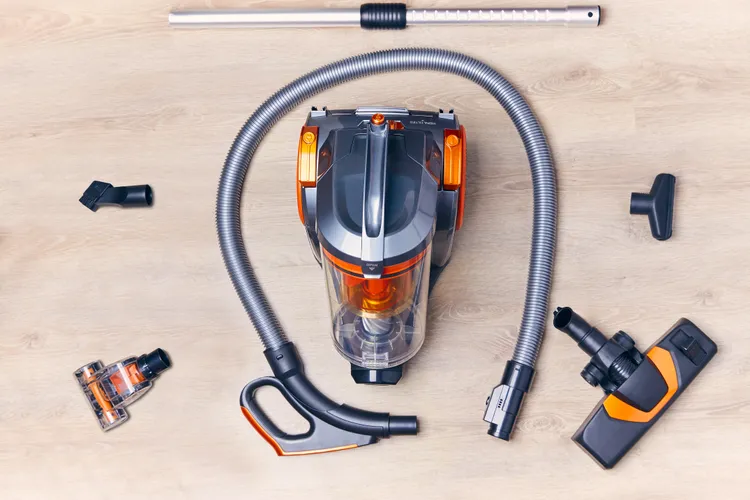
While each brand and type of vacuum has its own set of unique attachments, there are 5 attachments that are universal. Your vacuum may call them something different, but these attachments look similar and work to achieve the same goal.
1. Crevice tool
That very narrow and long, funny-looking tool you barely use? That’s called a crevice tool, and it’s made for vacuuming tight spaces. Think between cushions, in-between car seats, hard-to-reach corners and behind baseboards. It’s very useful for picking up dust, dog hair, and other loose debris from areas your go-to primary head/foot tool just can’t get to.
2. Dusting brush
A dusting brush is a small, usually round attachment with bristles attached to the end of it. This makes it less harsh on surfaces, with the bristles helping sweep up debris without it scratching the surface as it’s being sucked up. Use the dusting brush on things like air cons, air vents, shelves, TV stands, blinds, lampshades, ceiling fans, and walls covered with spider webs.
3. Extension wand
This tool might not have a specific area it cleans, but rather helps you clean more. Popping this attachment onto your vacuum will help you reach places you usually overlook. Use it to vacuum up dirt and dust bunnies behind furniture, the washing/dishwashing machine, tumble dryer, behind artwork, ontop of and behind cabinets, ceiling corners, and other free-standing appliances.
4. Upholstery tool
Instead of using the primary head/foot attachment (which is too harsh for delicate fabrics like the couch or your mattress), pop the upholstery tool onto your vacuum to tackle more delicate fabrics. While the primary head/foot attachment or even just the hose nozzle will clean these areas, they will cause pilling and stretching over time – making the fabric look worn out and used prematurely. The upholstery tool usually contains soft bristles that help loosen surface dirt without damaging materials. Use it to clean your furniture, mattress and car seats.
5. Motorised brush
A motorised brush usually contains thicker or firmer bristles that rotate when in use. This constant rotating action loosens debris from carpets and rugs effectively, where a primary head/foot attachment will miss. But first, note the carpet or rug’s care label before use – if you’re working with delicate or high-pilling fabrics, use an upholstery tool or something more delicate to avoid damage.
Also See: How to deep clean your vacuum cleaner
Feature image credit: Getty images