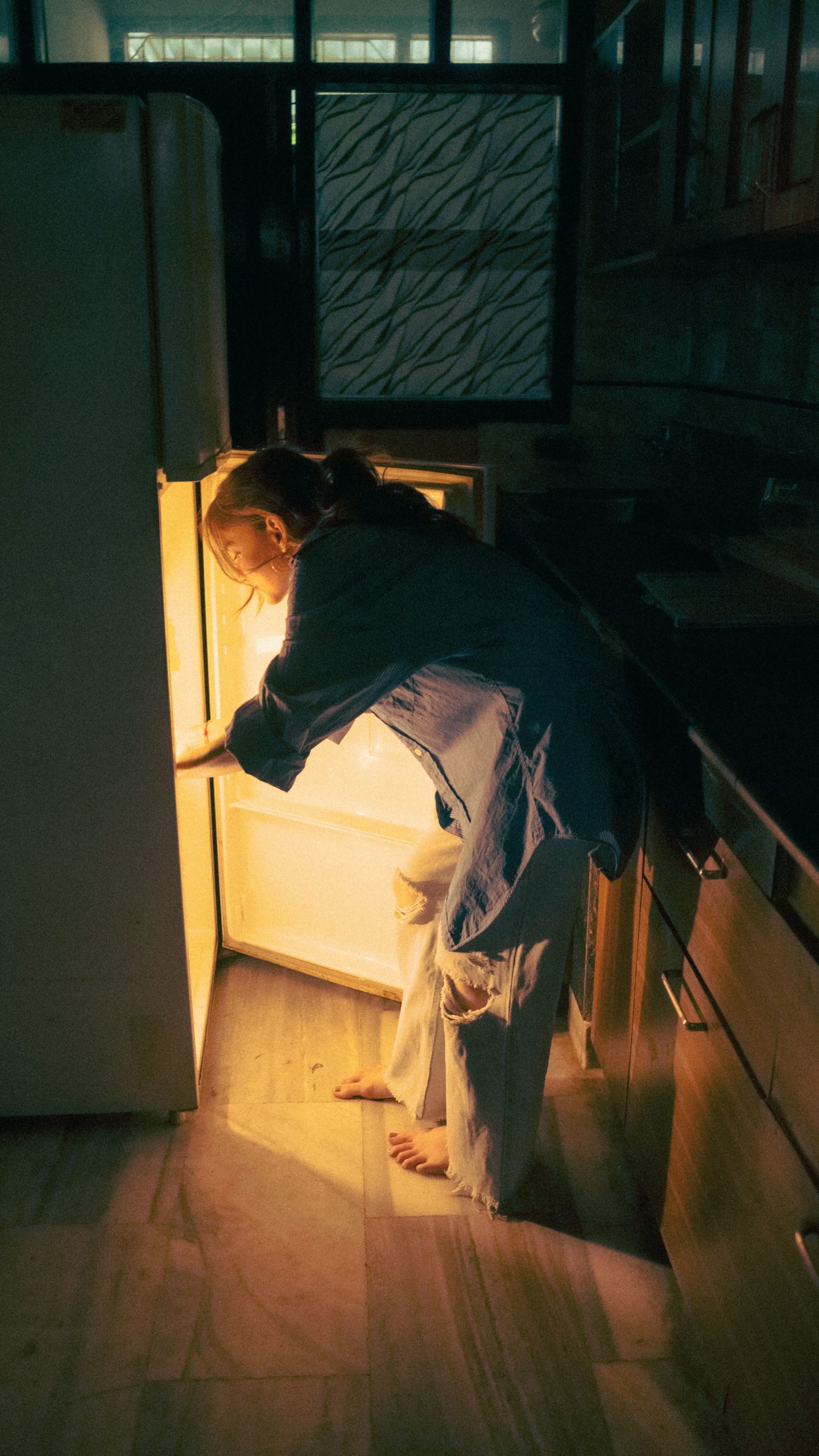
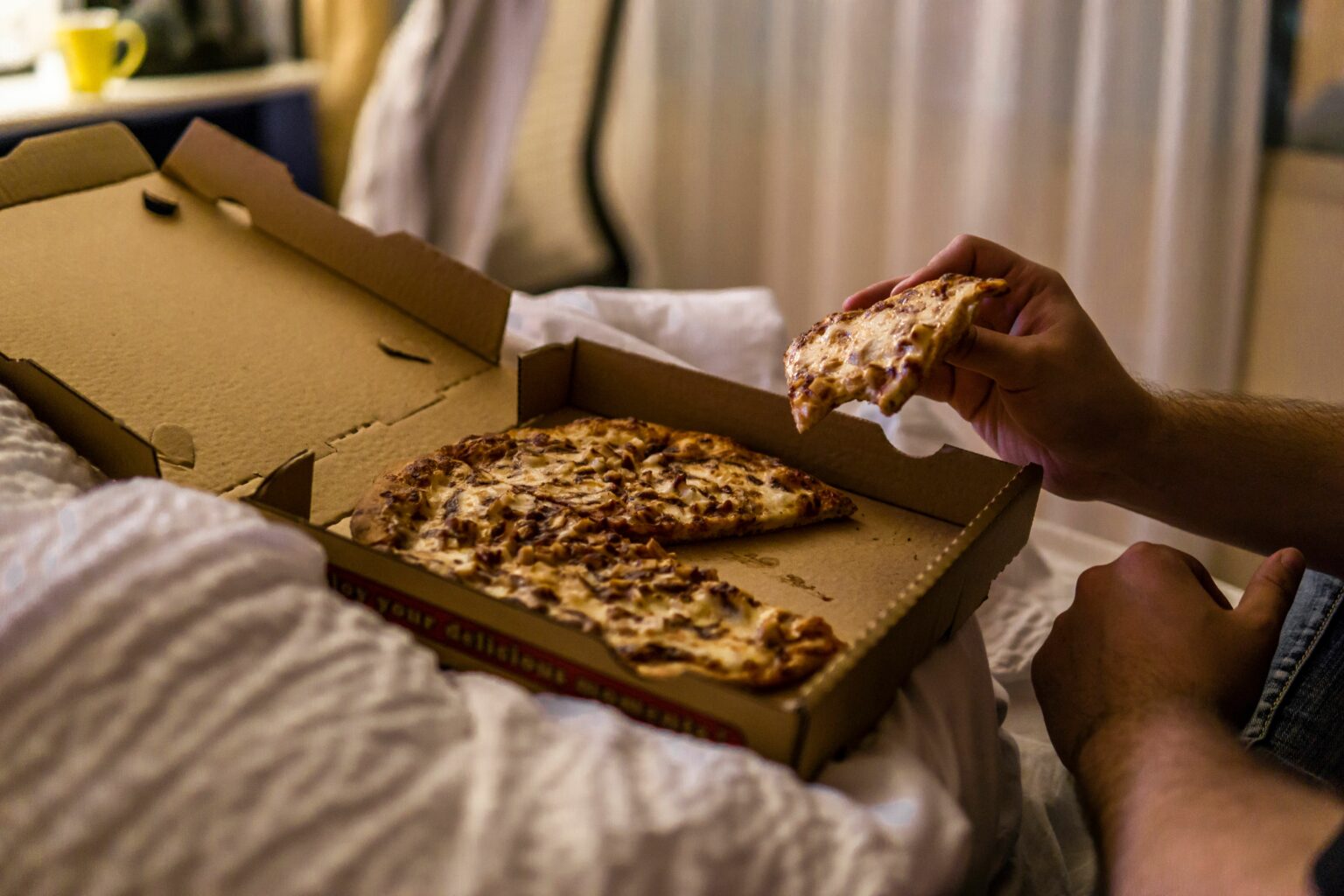
Whether it’s late-night snacking or a midnight meal, chances are you’ve heard a lot of tips and advice about whether it’s okay to eat before going to bed. From messing with your metabolism to maintaining blood sugar levels, there’s a wide range of thoughts.
Cleveland Clinic dietitian Alexis Supan says the truth is, you should avoid eating before bed, but that’s not always realistic.
Here is what you need to know about late-night snacking.
It can disrupt your sleep
Eating a heavy meal before going to bed forces your digestive system to keep working while your body is trying to rest. This can lead to discomfort, indigestion and acid reflux, making it harder to fall asleep or stay asleep.
Foods that are high in fat, sugar or spice are especially likely to interfere with sleep quality.
It may contribute to weight gain
Late-night eating can increase your overall calorie intake, particularly if you’re snacking on processed or high-calorie foods. Since people are generally less active in the evening, excess calories consumed at night are more likely to contribute to weight gain over time.
Alexis Supan also suggests that eating late may interfere with the body’s natural circadian rhythm, which influences how food is metabolised.
Your digestion slows down
Lying down soon after eating can slow digestion and increase the likelihood of heartburn or acid reflux. Stomach acid can flow back into the oesophagus when you’re in a reclining position, causing a burning sensation in the chest or throat.
People who frequently experience acid reflux are often advised to avoid eating at least two to three hours before bedtime.
It can affect blood sugar levels
Late-night meals, particularly those rich in refined carbohydrates and sugary foods, can cause blood sugar levels to spike while you’re sleeping. Over time, poor eating patterns may contribute to insulin resistance and increase the risk of developing type 2 diabetes in some people.
Choosing balanced meals earlier in the evening may help support healthier blood sugar control.

What should you avoid before bed?
If you want a good night’s sleep, skip everything high in fat and sugar, like that candy bar or bowl of ice cream. And you need to be especially careful about two other things:
- Caffeine: It disrupts your sleep and plays a huge role in weight gain.
- Alcohol: Besides extra calories, it can also be disruptive to sleep.
It’s all about keeping your body as healthy as possible before bed to keep it from storing excess calories as fat.
Also See: Exercising in a fasted state: What really happens to your body
Exercising in a fasted state: What really happens to your body
This article was originally written by Chumasande Matiwane for Bona.