Let’s be honest: a thin, sad sauce is a kitchen heartbreak. The kind that slides off your food and leaves you wondering where it all went wrong. Enter the roux – your quiet, buttery hero that turns runny into rich and basic into brilliant.
Once you’ve mastered it, everything from creamy pastas to glossy gravies suddenly feels a little more chef-y. And the best part? It’s just two ingredients and a bit of patience.
So, what exactly is a roux?
At its simplest, a roux is a mixture of fat and flour cooked together to thicken sauces. That’s it. No fuss, no fancy tricks. Traditionally, it’s made with butter and flour, but oils or other fats step in depending on the flavour you’re after.
It’s the backbone of classics like béchamel, velvety soups and deeply flavoured stews. Learn it once, and you’ll use it forever.
The golden rule
Equal parts fat and flour. Always.
From there, it’s all about how long you cook it – because time transforms both the colour and the flavour.
Start here: The light roux
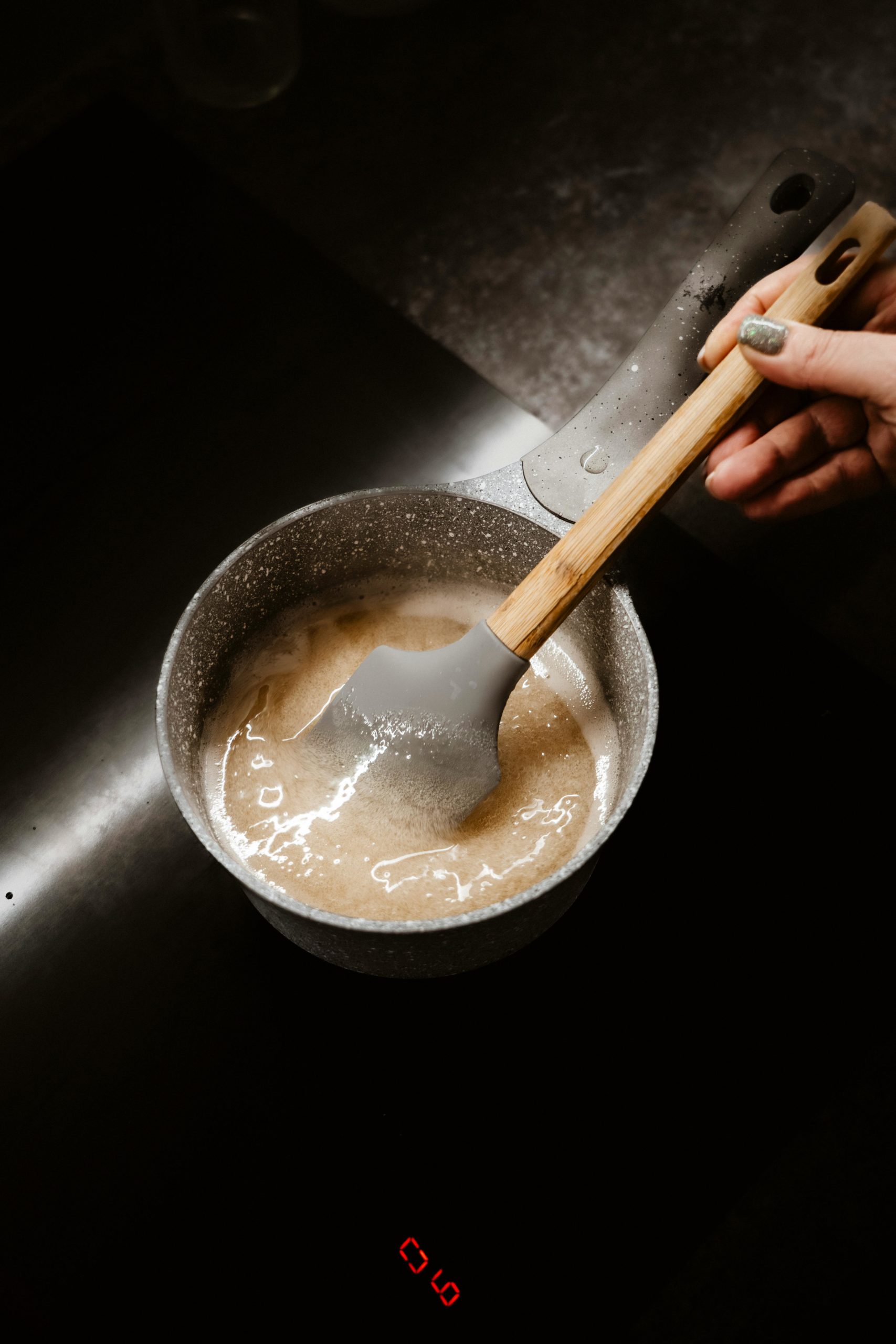
Think of this as your training ground. Melt your butter over medium-low heat, then stir in the flour. Keep things moving – no multitasking here.
After a few minutes, the mixture will look pale and slightly puffed. The raw flour smell disappears, and you’re left with a smooth, creamy base.
- Use it for: creamy sauces, soups, mac and cheese, lasagne
- Flavour: mild and neutral
- Time: about 3 – 5 minutes
If you’re adding milk or stock, this is your moment.
Turning up the flavour: Blonde roux
Give your roux a little more time on the heat and it shifts into something warmer – literally and flavour-wise. The colour deepens to a soft golden tone, and the aroma turns gently nutty.
It also loosens slightly, becoming more fluid as it cooks.
- Use it for: pasta sauces, lighter gravies
- Flavour: subtle nuttiness
- Time: around 5 – 7 minutes
Stay close. This is where things can tip from perfect to overdone quickly.
The sweet spot: Brown roux
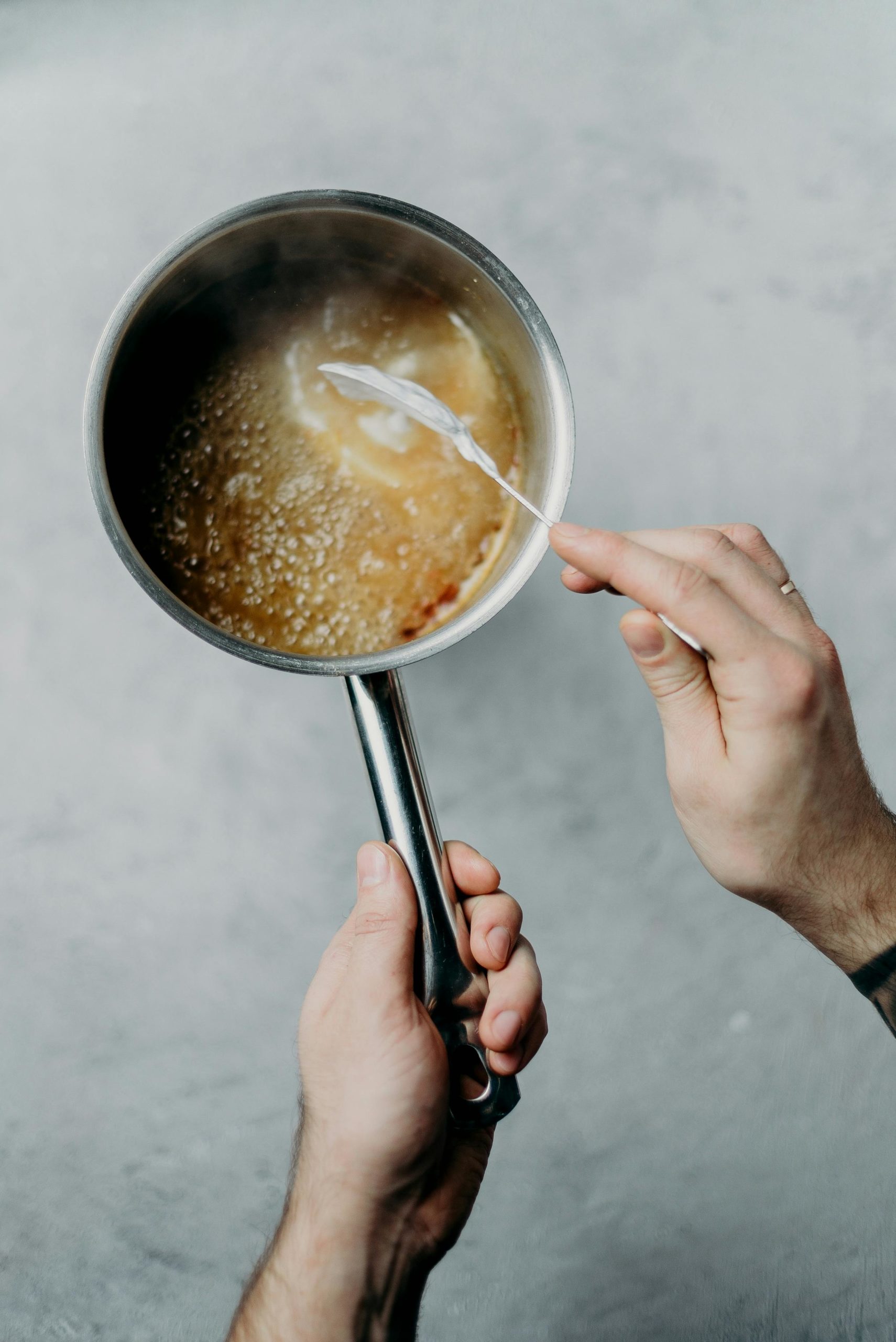
Now we’re getting serious. A brown roux is rich, toasty and deeply comforting — the kind of base that makes a gravy unforgettable.
You can still use butter, but oils with higher heat tolerance (like canola or vegetable oil) give you a bit more control as the colour deepens.
- Use it for: gravies, hearty stews
- Flavour: bold, nutty, almost caramel-like
- Time: 7 – 10 minutes
Keep stirring. Constantly. This is not the moment to check your phone.
Bold and beautiful: Dark roux
This is the moodier, more intense cousin. Dark, glossy and packed with flavour, it’s a staple in slow-cooked dishes where depth matters.
The longer cooking time weakens its thickening power slightly, but what it loses there, it makes up for in richness.
- Use it for: robust stews, deeply flavoured sauces
- Flavour: intense, smoky, nutty
- Time: 10 – 15 minutes (low heat is key)
Once it hits that deep brown shade, take it off the heat. The pan stays hot – and a burnt roux is not something you can rescue.
No skip tips
- Stirring is non-negotiable.
- Lower heat = better control.
- Have your liquid ready before you start.
- If it burns, start again. No shortcuts here.
ALSO SEE: HISTORY OF THE 5 FRENCH MOTHER SAUCES