You know that deeply savoury flavour in a slow-cooked beef stew, the richness of a mature Parmesan cheese or the satisfying taste of mushrooms fried in butter? That is umami at work.
Often described as savoury, meaty or broth-like, umami is recognised as the fifth basic taste, alongside sweet, sour, salty and bitter. It gives food a rounded, satisfying quality and can make a dish taste richer without necessarily adding more salt.
The word comes from Japanese and is commonly translated as ‘deliciousness’ or ‘pleasant savoury taste’. Although chefs have long used ingredients that naturally contain umami, the science behind this distinctive taste was identified in Japan in the early 1900s.
The science behind umami
Umami is primarily associated with glutamate, an amino acid found naturally in many foods. Amino acids are the building blocks of proteins, and glutamate occurs in both animal and plant-based ingredients.
When free glutamate comes into contact with specific taste receptors on your tongue, it produces the characteristic umami sensation. Other compounds, including inosinate and guanylate, also contribute to umami. These are particularly interesting because they can intensify the taste of glutamate when combined with it.
This helps explain why certain ingredient combinations work so well. A mushroom and tomato sauce, for example, can have a deeper savoury flavour than you might expect from either ingredient alone. Similarly, adding Parmesan to a tomato-based pasta dish brings another layer of flavour.
Japanese chemist Kikunae Ikeda identified glutamate as the source of the distinctive taste in kombu, a type of edible kelp used to make Japanese soup stock, in 1908. His research helped establish umami as a distinct taste rather than simply another way of describing saltiness or general flavour.
Which foods are naturally rich in umami?
You do not need specialist ingredients to bring more umami into your cooking. Many everyday foods contain naturally occurring glutamate or other compounds that contribute to this savoury taste.
Here are some useful ingredients to keep in your kitchen.
1. Tomatoes
Tomatoes are a particularly useful source of naturally occurring glutamate. This is one reason tomato-based sauces, soups and stews can develop such a satisfying savoury flavour.
Cooking tomatoes slowly allows moisture to evaporate, concentrating their flavour. Roasting them also brings out their sweetness and adds caramelised notes, creating a more complex result.
Kitchen tip: Roast halved tomatoes with olive oil, garlic and herbs before blending them into a pasta sauce or soup. For a quicker option, stir tomato paste into a sauce and cook it briefly before adding the liquid.
2. Mushrooms
Mushrooms are valued for their earthy, savoury flavour, with some varieties particularly rich in umami compounds. Dried shiitake mushrooms are especially useful because drying can concentrate flavour and increase the availability of certain compounds associated with umami.
Button, brown and portobello mushrooms can also add depth to everyday meals.
Kitchen tip: Brown mushrooms in a hot pan rather than crowding them together. Allowing their moisture to evaporate helps them develop a deeper flavour. Add them to risotto, pasta, gravies, soups or vegetable dishes.
3. Parmesan cheese
Mature hard cheeses, including Parmesan, are excellent sources of umami. During ageing, proteins break down and release free amino acids, including glutamate, contributing to the cheese’s distinctive savoury taste.
This is why a small amount of finely grated Parmesan can make such a difference to a dish.
Kitchen tip: Add Parmesan to risotto, pasta sauces, roasted vegetables or homemade soups. Parmesan rinds can also be simmered in soups and sauces to impart extra flavour, provided they are removed before serving.
4. Meat and fish
Meat and fish contain compounds that contribute to umami, making them useful ingredients in stocks, broths, gravies and slow-cooked dishes. Meat that has been browned properly also develops additional flavours through the Maillard reaction, the chemical process responsible for the appealing crust on seared meat.
Anchovies are another useful ingredient. Although their flavour can be strong straight from the tin, a small amount melted into a sauce adds savouriness without necessarily making the finished dish taste distinctly fishy.
Kitchen tip: Add a finely chopped anchovy or two to a tomato sauce, or use the browned bits left in a pan after cooking meat as the foundation for a gravy.
5. Soy sauce and miso
Fermented foods are another valuable source of umami. Soy sauce and miso develop complex flavours through fermentation, making them useful additions to marinades, dressings, soups and sauces.
Their savoury taste comes from a combination of flavour compounds, including glutamate. However, both can contain considerable amounts of salt, so it is worth tasting your dish before adding extra seasoning.
Kitchen tip: Stir a little soy sauce into a mushroom sauce or vegetable stir-fry. Alternatively, whisk miso into a dressing or dissolve it into a soup near the end of cooking.
6. Seaweed
Kombu, the kelp used in traditional Japanese stock, is one of the ingredients that helped scientists identify umami. It contains glutamate, which contributes to the characteristic savoury taste of dashi, a Japanese stock used in soups and other dishes.
Although seaweed may not be a regular ingredient in every South African kitchen, it is worth considering if you enjoy experimenting with different flavours.
Kitchen tip: Use kombu to make a light stock for noodle soups, broths or vegetable-based dishes. Follow the preparation instructions for the variety you buy.
7. Fermented foods and yeast extract
Ingredients such as fish sauce, fermented bean pastes and yeast extract can bring concentrated savoury flavour to a recipe. Their exact flavour profiles differ, but many contain compounds that contribute to umami.
Yeast extract spreads and seasonings can be particularly useful in small quantities when making gravy, stews or meat-free sauces.
Kitchen tip: Start with a small amount and taste as you go. These ingredients can be intensely flavoured, and some are also high in salt.
How to add more umami to your cooking
Understanding umami is useful because it gives you another way to build flavour beyond adding salt, sugar or fat. A few small adjustments can make everyday meals taste more developed.
- Brown your ingredients properly. Searing meat and allowing mushrooms to develop a golden colour creates additional flavours that complement umami.
- Use tomato paste. Cooking it briefly in a little oil before adding liquids helps develop its flavour and makes it a useful addition to soups, stews and sauces.
- Combine complementary ingredients. Tomatoes with Parmesan, mushrooms with soy sauce, or meat stock with tomato paste can create a more pronounced savoury flavour.
- Make use of aged ingredients. Mature cheeses and fermented sauces can add complexity to a recipe in small amounts.
- Build flavour gradually. Add ingredients in stages, taste throughout the cooking process and adjust the seasoning towards the end.
- Do not overlook vegetables. Roasted tomatoes, browned mushrooms and slowly cooked onions can contribute plenty of flavour to meat-free meals.
One important distinction is that browning does not create umami itself in every case. It develops additional flavour compounds that work alongside umami, which is why properly browned ingredients often taste more complex.
Is umami the same as MSG?
No. Umami is a taste, while monosodium glutamate (MSG) is a seasoning used to enhance that taste.
MSG is the sodium salt of glutamic acid. It supplies glutamate, which is also found naturally in foods such as tomatoes, mushrooms and cheese. When dissolved in food, it can stimulate the same taste receptors involved in detecting umami.
MSG has sometimes been misunderstood because of concerns about its safety. Regulatory authorities, including the US Food and Drug Administration, consider added MSG safe for most people when consumed at customary levels. Some people report symptoms after consuming large quantities, although research has not consistently established a causal link at typical dietary levels.
As with any seasoning, the amount used matters. MSG can be useful when you want to strengthen savoury flavour, but it is not essential for cooking delicious food. Naturally umami-rich ingredients can achieve a similar goal.
It is also worth remembering that MSG contains sodium. Although it contains less sodium by weight than table salt, it should not automatically be considered a reason to stop paying attention to your overall sodium intake.
Can umami make food taste saltier?
Umami and saltiness are separate tastes, but they can work together to influence how we experience food. Adding an umami-rich ingredient may make a dish taste fuller and more satisfying, which can sometimes help you use less salt without making the food seem bland.
For example, a vegetable soup made with browned mushrooms, roasted tomatoes and a little Parmesan may have a deeper flavour than one made with water and vegetables alone.
However, this does not mean every umami-rich ingredient is low in sodium. Soy sauce, fish sauce, miso, Parmesan and some yeast extracts can all contribute significant amounts of salt. If you are trying to reduce your sodium intake, check product labels and adjust your seasoning accordingly.
Why umami matters in everyday cooking
Umami is not a complicated chef’s trick or an ingredient you need to buy from a specialist shop. It is a basic taste that helps explain why certain foods are so satisfying and why some combinations work particularly well.
Once you recognise the ingredients that contribute to umami, you can use them to build flavour more deliberately. A spoonful of tomato paste in a stew, browned mushrooms in a vegetarian pasta or a little Parmesan over roasted vegetables can make a noticeable difference.
The secret is not to add as many savoury ingredients as possible, but to understand how they work together. With a few thoughtful additions, even a simple weeknight meal can have greater depth and balance.
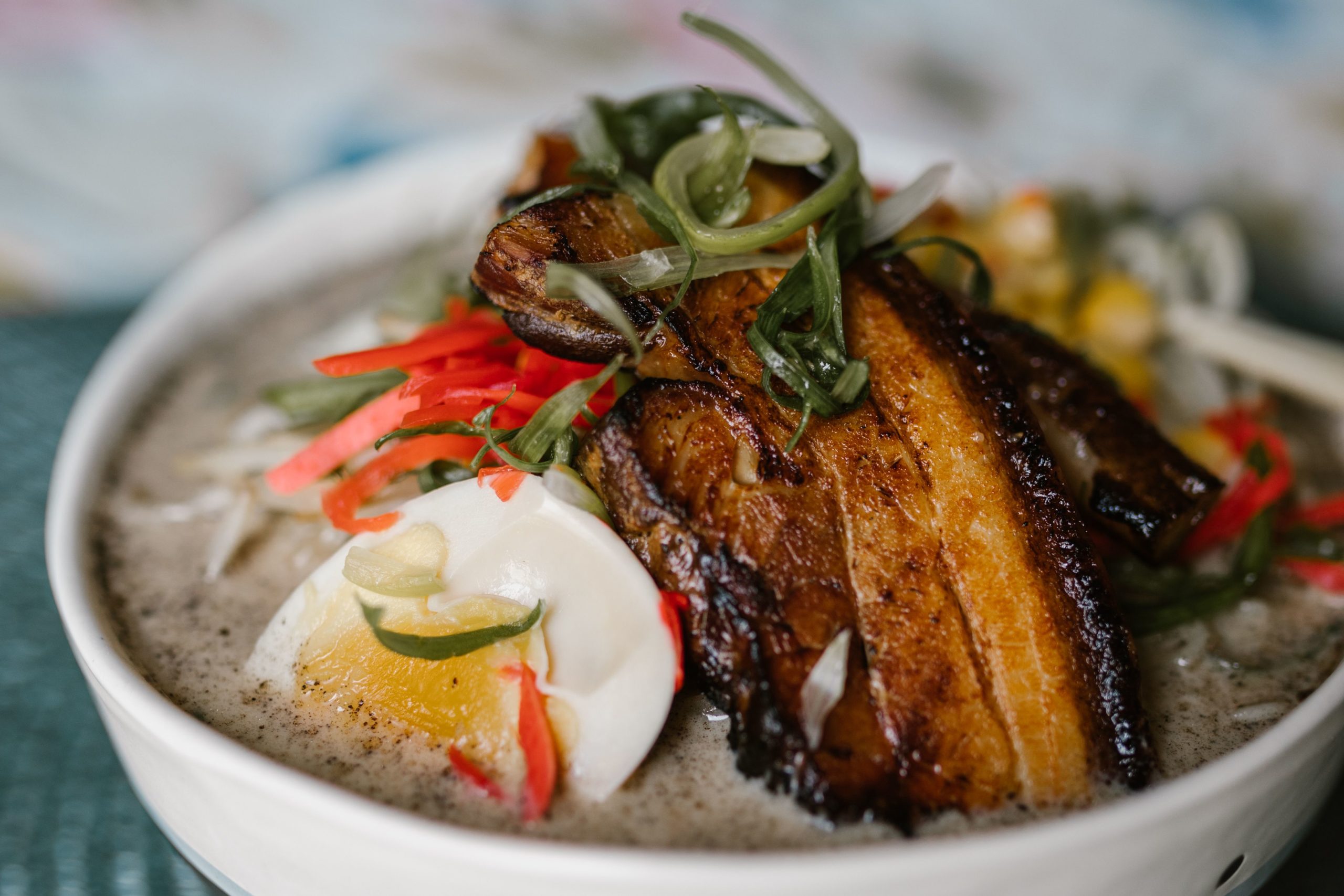
ALSO SEE: Pork broth ramen with pork belly and miso
Feature image: Pexels