
There’s something incredibly satisfying about baking your own sourdough.
The crackly crust, the tangy aroma, and that first warm slice feel like a small kitchen victory. But sourdough can also be a little temperamental. If your loaf turns out dense, flat, or simply not quite right, a few common mistakes could be standing in the way.
The good news? Most sourdough mishaps are easy to fix once you know what to look for. Here are six reasons your sourdough might not be turning out as expected – and how to get back on track.
1. Your starter isn’t ready
A healthy starter is the heart of good sourdough. If it’s sluggish or underfed, your loaf simply won’t rise properly.
Before baking, your starter should look lively and full of bubbles, and it should double in size after feeding. A simple way to check if it’s ready is the float test: drop a small spoonful into a glass of water. If it floats, it’s active enough to bake with.
If you notice a dark liquid on top, your starter is hungry. Pour it off, feed it with fresh flour and water, and give it time to perk up.

2. You’re watching the clock instead of the dough
Recipes offer helpful timelines, but sourdough doesn’t always follow them perfectly. Temperature and humidity in your kitchen can change how quickly the dough ferments.
Instead of relying only on a timer, look for visual cues. The dough should appear puffed up and slightly airy during fermentation, and soft but structured when it’s ready to shape.
In sourdough baking, patience usually pays off.
3. Temperature isn’t on your side
Your kitchen environment plays a bigger role than you might think. Warmer spaces speed up fermentation, while cooler kitchens slow everything down.
If your dough seems slow to rise, it may simply be too cold. Try placing it in a slightly warmer spot, like inside an oven with the light on. Learning how your kitchen behaves can make a big difference to your results.
4. The dough isn’t hydrated properly
Hydration-the ratio of water to flour – is key to achieving that airy crumb sourdough is known for.
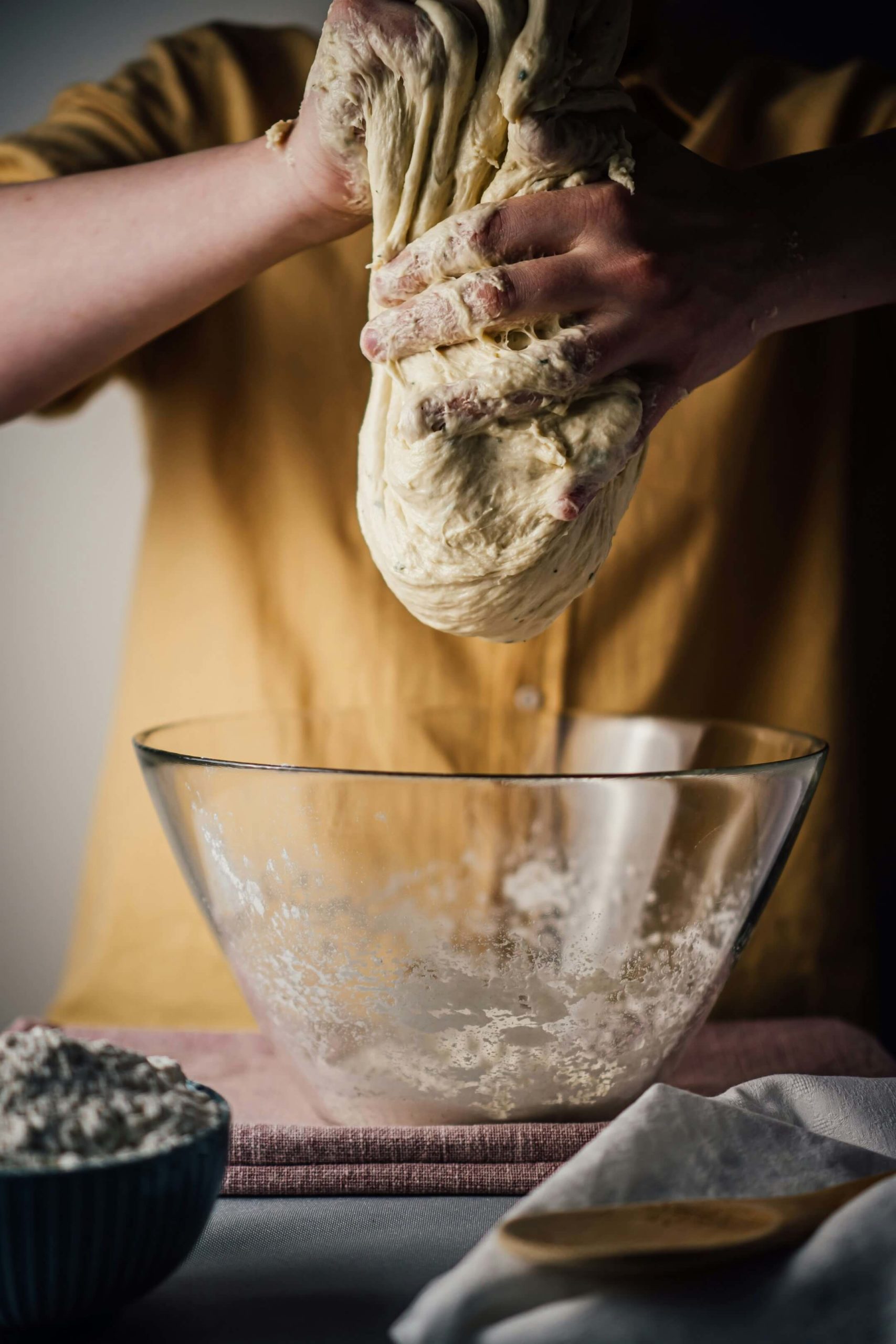
Too little water can lead to tight, dense bread. On the other hand, handling the dough too aggressively can overdevelop the gluten and make it tough.
Mix gently, handle the dough with care, and avoid overworking it during stretching and folding.
5. Shaping needs a little practice
A well-shaped loaf helps the dough hold its structure in the oven. Without proper tension, the loaf can spread out rather than rise upward.
If you’re new to sourdough, start with smaller round loaves rather than large ones. They’re easier to handle and shape. When moving the dough to your work surface, do it gently so you don’t knock out the air you’ve worked to build.
6. You’re changing flours without adjusting the recipe
Not all flours behave the same way. Wholegrain and alternative flours absorb water differently and can ferment at different speeds.
If you swap flours without adjusting the recipe, your dough might become too dry, too sticky, or struggle to rise. When experimenting with different flours, you may need to tweak the hydration or mixing method slightly to keep the dough balanced.
Sourdough baking is part science, part intuition. Even experienced bakers have the occasional loaf that doesn’t go to plan. But with a healthy starter, a watchful eye, and a bit of patience, each bake brings you closer to that beautifully risen, golden loaf.
And once you get it right, there’s nothing quite like it.
ALSO SEE: Is your bread actually sourdough? Here’s how to tell