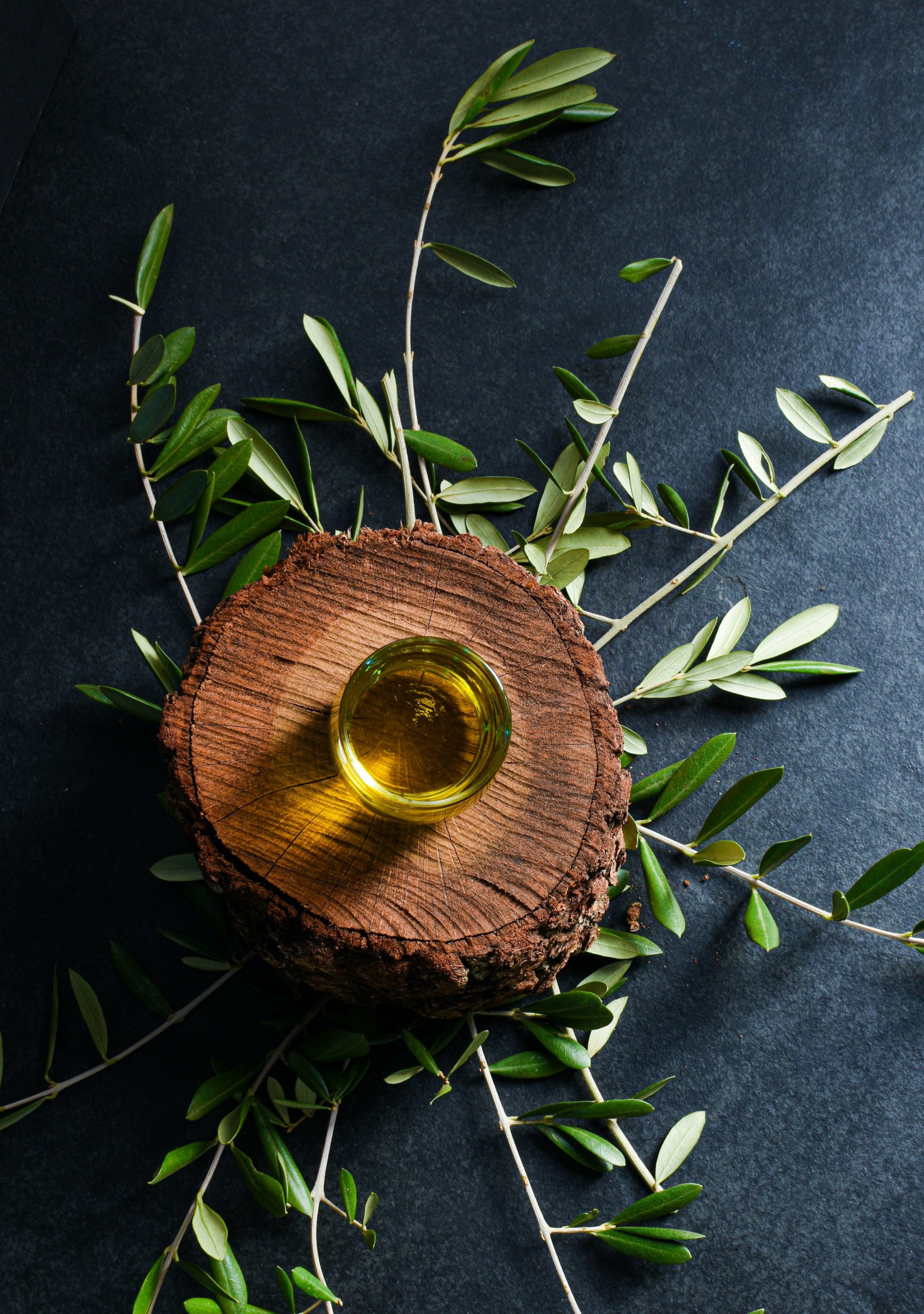
If your social feeds have recently shown people knocking back shots of olive oil like it’s a morning espresso, you’re not imagining things. The “olive oil shot” trend has been gaining traction online, with wellness influencers claiming everything from improved digestion to glowing skin and better heart health.
Not actually new
Despite its recent social media fame, drinking olive oil is far from new. In Mediterranean cultures, extra virgin olive oil has been a dietary staple for centuries, often linked to longevity and heart health as part of the traditional Mediterranean diet.
The difference now? Instead of drizzling it over salads or using it in cooking, some people are taking it straight — typically in tablespoon or “shot” form — as a standalone wellness ritual.
The claimed benefits
Extra virgin olive oil is rich in monounsaturated fats and antioxidants, particularly polyphenols, which are associated with a range of health benefits when consumed as part of a balanced diet.
Some of the commonly cited benefits include:
Heart health support
Olive oil is known to help support healthy cholesterol levels when used in place of saturated fats.
Anti-inflammatory properties
The antioxidants in high-quality olive oil may help reduce inflammation in the body over time.
Digestive support
Some people report that a small amount of olive oil helps with digestion or easing occasional constipation.
Skin and glow factor
Because of its healthy fat content and antioxidants, it’s often linked (loosely) to improved skin hydration and appearance.
The reality check
Here’s where things need a bit of grounding: while olive oil is undeniably nutritious, taking it as a “shot” doesn’t automatically amplify its benefits. Nutrition experts generally agree that it’s not a miracle wellness cure and in some cases, it may not be ideal for everyone.
Possible downsides include:
- High calorie intake: Just one tablespoon contains around 120 calories
- Digestive discomfort: Taking it straight can cause nausea or stomach upset for some
- Not a balanced approach: Benefits are best achieved when olive oil is part of meals, not isolated as a supplement
- False wellness framing: It can create the impression that one food alone can “fix” health habits
So, should you try it?
There’s nothing inherently harmful about olive oil in small amounts for most people, but the key is context. Extra virgin olive oil shines when it’s part of a balanced diet — drizzled over roasted vegetables, used in cooking, or paired with whole foods.
As a standalone shot? It’s more of a social media moment than a nutritional breakthrough.
ALSO SEE: Butter vs olive oil: When to use each for the best flavour outcome
Butter vs olive oil: When to use each for the best flavour outcome
Feature image: Unsplash