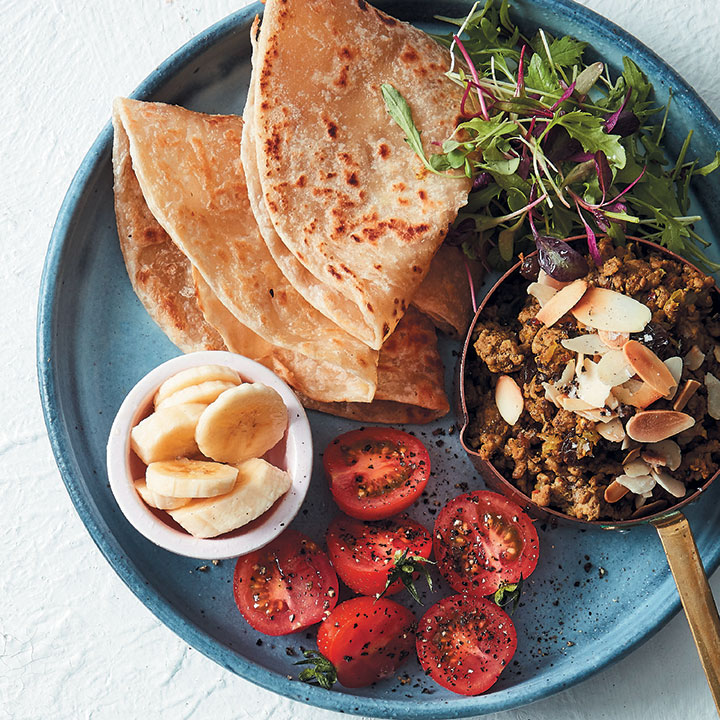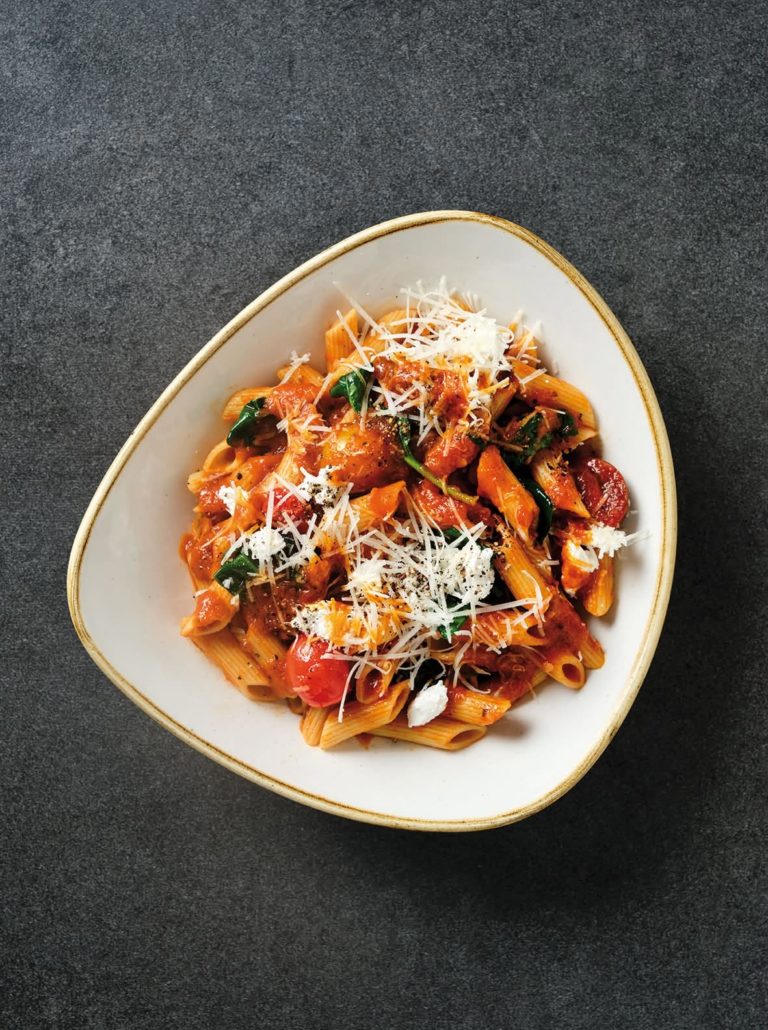
Whether you’re training for your first 5K, tackling a long Sunday run, or simply trying to avoid that awful “brick in the stomach” feeling halfway through a jog, what you eat before a run can make a huge difference.
Pre-run nutrition doesn’t need to be complicated. In most cases, it comes down to three simple things: eating the right carbs, timing your meals properly, and avoiding foods that your stomach will hate you for later.
Should you eat before a run?
It depends on the type of run, the distance, and how your body responds.
For shorter, slower runs, some runners feel perfectly fine heading out on an empty stomach, especially early in the morning. But if you’re doing anything longer than about 45 to 60 minutes — or a tough session like intervals or hill sprints — eating beforehand is usually a much better idea.
Your body relies heavily on carbohydrates during running, especially at higher intensities. Without enough fuel in the tank, runs can start feeling sluggish, heavy, dizzy, or just unnecessarily difficult.
That said, there’s also a sweet spot. Eating a giant meal and then immediately trying to run? Almost guaranteed regret.
The golden rule of pre-run food
When deciding what to eat before a run, think:
- Higher carbs
- Lower fibre
- Lower fat
- Foods you already know work for your body
This is not the time to experiment with spicy food, extra cheese, or a “healthy” fibre-packed breakfast bowl.
Carbs are your body’s quickest energy source during running. Fibre and fat digest more slowly, which can leave you feeling bloated, heavy, crampy, or desperately searching for a bathroom mid-run.
What to eat before an easy run
If you’re going for a relaxed jog or shorter run, you don’t need a massive meal beforehand.
Best timing:
30 to 45 minutes before your run
Best foods before an easy run:
- Banana
- Rice cakes with honey
- Low-fibre energy bars
- Energy gels
- Pretzels
- Dates or raisins
The goal here is simple: quick, light energy that won’t sit heavily in your stomach.
What to eat before interval training or speed sessions
Speed work needs more fuel because your body is working much harder. This is where carbohydrates really matter.
Best timing:
60 to 90 minutes before your run
Best foods before interval runs:
- Banana with peanut butter
- White toast with honey or jam
- Oatmeal with banana
- Dates
- Rice cakes with peanut butter or honey
- Bagel with peanut butter or honey
- Low-fat breakfast cereal
High-effort running relies heavily on glycogen (a.k.a. the stored carbohydrate in your muscles). Going into a speed session under-fuelled can make workouts feel significantly tougher.
What to eat before a long run
Long runs are where proper fuelling becomes especially important.
Best timing:
2 to 3 hours before your run
Best foods before a long run:
- Toast with peanut butter and banana
- Oatmeal with maple syrup and fruit
- Bagels with honey
- Rice bowls with eggs and vegetables
- Pancakes with fruit
- Cereal with milk and banana
- Smoothies with banana, berries, oats, and honey
Longer runs drain your glycogen stores, so eating enough carbs beforehand helps keep your energy levels steady for longer.
And yes, this is why runners become weirdly obsessed with bagels, bananas, and oats.
Pre-run snacks vs pre-run meals
There’s a big difference between grabbing a quick snack and eating a full meal before running.
Pre-run snacks
Usually eaten 30 to 60 minutes before running:
- Smaller portions
- Faster-digesting carbs
- Quick energy boost
Think:
- Banana
- Toast with honey
- Dates
- Granola bars
- Pretzels
Pre-run meals
Usually eaten 2 to 4 hours before running:
- Larger portions
- More balanced meals
- Designed to fuel longer efforts
Think:
- Oatmeal
- Rice bowls
- Pasta
- Sandwiches
The foods to avoid before a run
Some foods are almost guaranteed to make running uncomfortable.
High-fat foods
Fried foods, greasy takeaways, creamy sauces, and overly rich meals digest slowly and can leave you feeling heavy.
Very high-fibre foods
Normally healthy? Absolutely. Ideal immediately before a run? Not really.
Too much fibre before running can cause bloating, cramping, and urgent bathroom stops.
Foods to be careful with:
- Bran cereals
- Large salads
- Beans
- Lentils
- Too many raw vegetables
Spicy foods
Spicy meals and hard workouts are often not a great combination. Heartburn while running is not an elite athlete experience anyone wants.
Fizzy drinks
Carbonated drinks can cause bloating and stomach discomfort while running.
Completely new foods
Race day is not the day to suddenly try an exotic breakfast you saw on TikTok.
Stick to foods your body already knows.
Does everyone need the same pre-run fuel?
Not at all. Some runners can eat a full breakfast and head straight out the door. Others need hours to digest half a banana.
That’s why practising your nutrition during training is important, especially before races or long-distance events.
Your best pre-run meal is the one that:
- Gives you energy
- Doesn’t upset your stomach
- Helps you feel strong during your run
- Works consistently for your body
ALSO SEE: Baked oats recipe
Feature image: Pexels