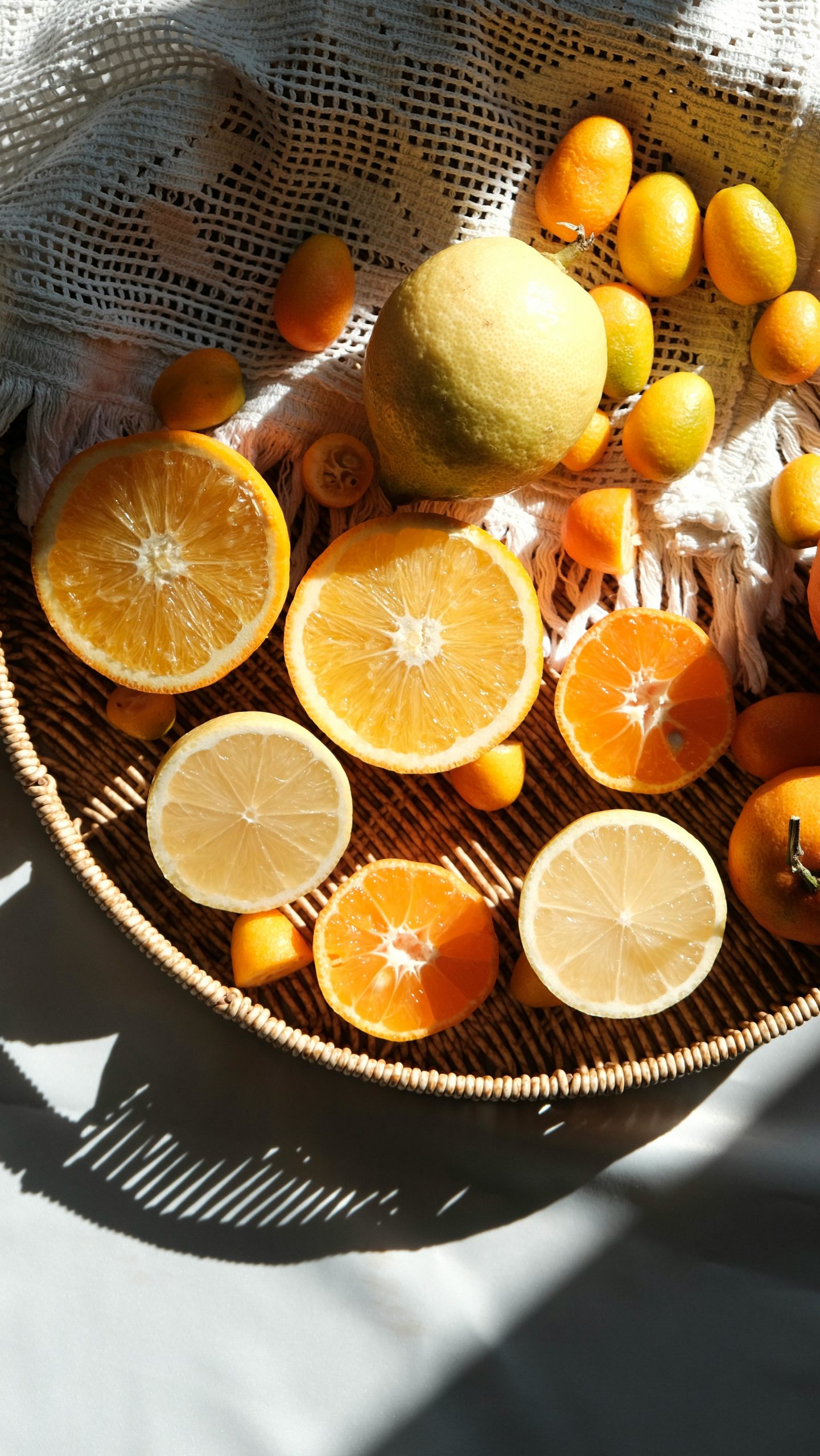
South Africa has officially claimed the title of the world’s largest exporter of citrus, cementing its place as a global powerhouse in the citrus industry. From juicy oranges and easy-peeling naartjies to tart lemons and fragrant limes, South African citrus is finding its way onto tables across Europe, Asia, the Middle East and beyond.
The country’s favourable climate, diverse growing regions and long citrus season have helped make citrus one of South Africa’s most successful agricultural exports. But while most of us can easily spot an orange or lemon in the supermarket, the citrus family is far more varied than many realise.
Here’s a closer look at some of the most common citrus fruits, including how they differ in appearance, flavour and nutritional value.
Mandarins, naartjies and clementines
The mandarin family is one of South Africa’s fastest-growing citrus categories, particularly in export markets where seedless, easy-peeling fruit is in high demand.
Traditional naartjies
For many South Africans, winter simply isn’t complete without a bag of naartjies.
Appearance: Slightly flattened fruit with bright orange skin that peels easily.
Taste: Sweet with a noticeable tang and strong citrus aroma.
Seeds: Usually contains seeds.
Nutrition: Rich in vitamin C, fibre and antioxidants.
Best for: Snacking, marmalade and baking.
Clementines
Clementines are a hybrid between a mandarin and a sweet orange and have become increasingly popular due to their convenience.
Appearance: Small, smooth and vibrant orange.
Taste: Very sweet with almost no tartness.
Seeds: Typically seedless.
Nutrition: High in vitamin C and naturally low in calories.
Best for: Lunchboxes, fruit platters and healthy snacks.
Nadorcott and Tango mandarins
These premium mandarins have become some of South Africa’s most successful export varieties.
Appearance: Slightly larger than clementines with deep orange skin.
Taste: Intensely sweet with a balanced citrus flavour.
Seeds: Generally seedless.
Nutrition: High in vitamin C and potassium.
Best for: Fresh eating.
Satsumas
Although less common than clementines and Nadorcotts, satsumas are also grown locally.
Appearance: Loose, puffy skin that’s easy to remove.
Taste: Exceptionally sweet with very low acidity.
Seeds: Usually seedless.
Nutrition: Similar to other mandarins, providing vitamin C and fibre.
Oranges
South Africa exports millions of cartons of oranges every year, with two varieties dominating production.
Navel oranges
Appearance: Easily identified by the small “navel” formation at one end.
Taste: Sweet, juicy and easy to segment.
Seeds: Seedless.
Nutrition: Excellent source of vitamin C, folate and fibre.
Best for: Fresh eating.
Valencia oranges
Valencias account for a large portion of South Africa’s orange exports.
Appearance: Slightly thinner skin and often rounder than Navels.
Taste: Sweet but with a brighter citrus tang.
Seeds: May contain a few seeds.
Nutrition: Similar to Navels, rich in vitamin C and antioxidants.
Best for: Juicing thanks to their high juice content.
Grapefruit
South Africa is one of the world’s leading exporters of grapefruit, particularly red and pink varieties.
White grapefruit
Appearance: Pale yellow flesh.
Taste: More tart and bitter than coloured varieties.
Nutrition: High in vitamin C and fibre.
Pink and ruby grapefruit
Appearance: Pink to deep red flesh.
Taste: Sweeter and less bitter than white grapefruit.
Nutrition: Contains vitamin C, vitamin A and lycopene, an antioxidant also found in tomatoes.
Best for: Breakfast bowls, salads and fresh juices.
Lemons
South Africa produces large quantities of lemons for both local and export markets.
Eureka lemons
The most commonly available lemon in South African supermarkets.
Appearance: Bright yellow with a slightly textured skin.
Taste: Sharp, tart and intensely lemony.
Nutrition: Packed with vitamin C and antioxidant compounds.
Best for: Cooking, baking and beverages.
Lisbon lemons
Similar to Eureka lemons but often slightly smoother-skinned and more acidic.
Best for: Commercial juicing and preserving.
Limes
Although produced on a smaller scale than lemons, limes are becoming increasingly popular in South African kitchens.
Persian limes
The variety most commonly found in local stores.
Appearance: Medium-sized with glossy green skin.
Taste: Tangy and aromatic.
Seeds: Usually seedless.
Nutrition: Rich in vitamin C and flavonoids.
Best for: Cocktails, seafood dishes and desserts.
Pomelos
Pomelos remain a niche citrus fruit in South Africa but are gaining popularity among adventurous home cooks.
Appearance: The largest citrus fruit, often as large as a small melon.
Taste: Sweet and mild with very little bitterness.
Nutrition: High in fibre and vitamin C.
Best for: Salads and fresh eating.
Blood oranges
Still considered something of a speciality citrus fruit in South Africa, blood oranges are prized for their striking colour.
Appearance: Deep red flesh caused by anthocyanins.
Taste: Sweet with subtle berry-like notes.
Nutrition: Offers all the benefits of traditional oranges, plus additional antioxidants from anthocyanins.
Best for: Salads, desserts and cocktails.
Which citrus fruit contains the most vitamin C?
While most citrus fruits are excellent sources of vitamin C, oranges, lemons and mandarins are among the top performers. Grapefruit provides the added benefit of vitamin A, while blood oranges contain extra antioxidant compounds that contribute to their distinctive colour.
The healthiest approach is to enjoy a variety of citrus fruits throughout the season, allowing you to benefit from each fruit’s unique nutrient profile.
ALSO SEE: Citrus panzanella salad with parmesan chips
Feature image: Pexels