The food and beverage (F&B) industry is often described as the heartbeat of hospitality. From the kinetic energy of a professional kitchen to the refined theatre of a cocktail bar, working with food and drink is far more than just a career; it is a calling rooted in human connection, writes Vanessa Rogers.
In South Africa, a nation celebrated for its rich cultural tapestry and world-class culinary scenes, the F&B sector is currently experiencing a dynamic evolution. For those who find their calling here, the joy of the job is being amplified by groundbreaking local trends that are redefining how we eat, drink, and gather with our favourite folk.
The universal joy of the F&B craft
At its core, the joy of working in a food and beverage job stems from the immediate impact of hospitality. F&B professionals are curators of human experience. Whether it is a barista crafting a flawless flat white that kickstarts someone’s morning, or a sommelier pairing the perfect vintage with a milestone anniversary dinner, these roles allow workers to participate directly in the joyful moments of everyday living.
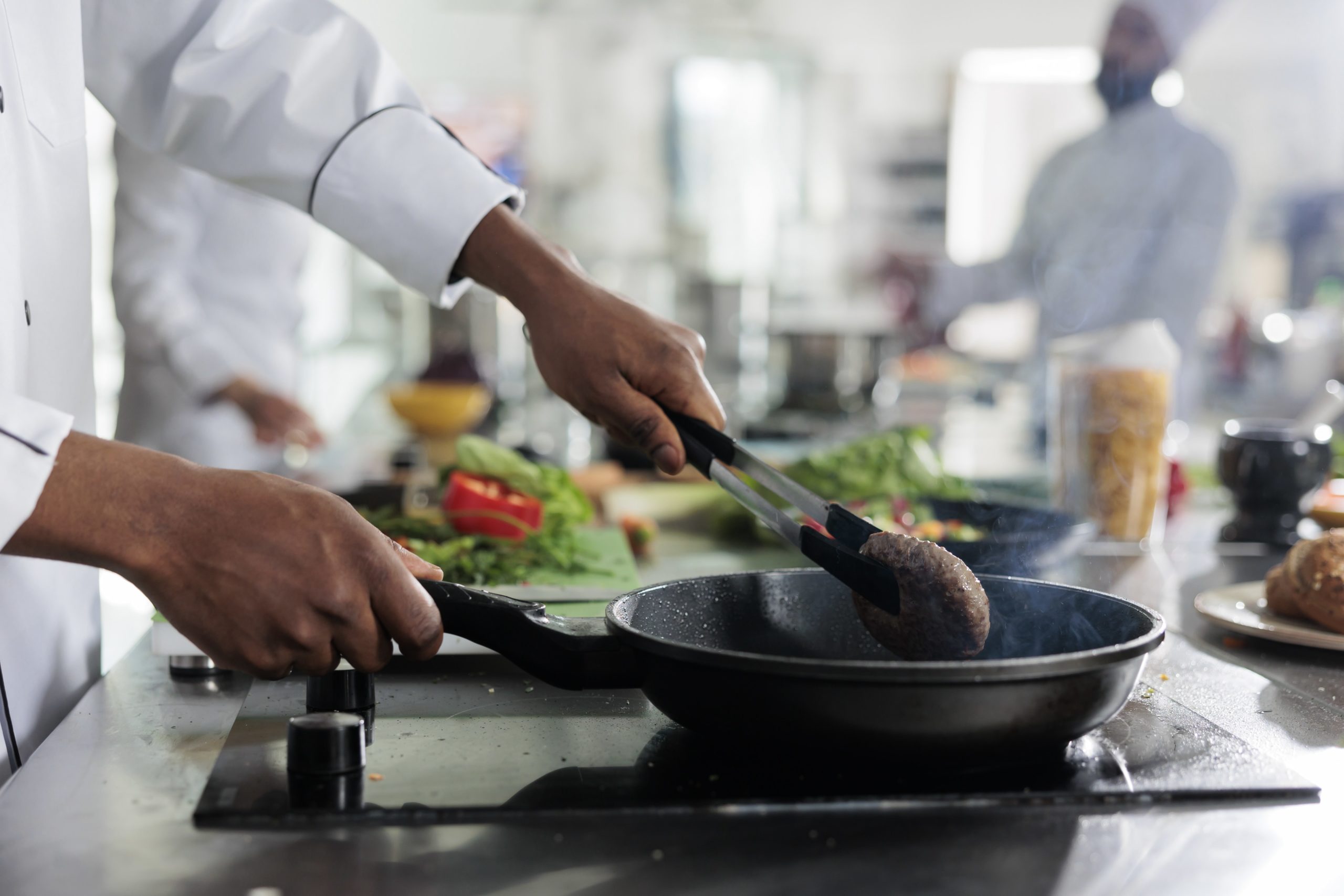
There is also a profound satisfaction in craftsmanship. The kitchen is a canvas of sensory creativity where raw, disparate ingredients are transformed into edible art. On the floor, service is a finely tuned performance requiring empathy, emotional intelligence, and quick problem-solving. This environment builds a unique, unbreakable camaraderie. F&B teams – often referred to as the “back of house” and “front of house” – work under intense pressure, forging lifelong bonds and a shared sense of triumph after a successful, high-volume endeavour.
Moreover, it is a sector that rewards passion and merit. In few other industries can an entry-level sculler or runner rise to become a head chef or general manager through sheer dedication, talent, and a willingness to learn. It offers a global passport; a skilled bartender or chef can find employment in almost any city around the globe.
Hot and happening local trends

While the foundational joys of F&B remain timeless, the landscape in South Africa is shifting rapidly. The country’s culinary capital, Cape Town, alongside the bustling hub of Johannesburg and the coastal warmth of Durban, are currently hotbeds for exciting, hyper-local trends:
-
Hyper localism & indigenous foraging
South African chefs are moving away from importing European luxury ingredients and are instead turning inwards. There is an immense pride in showcasing indigenous ingredients. Menus across the country are increasingly featuring items such as spekboom, rooibos, wild rosemary, and num-num berries. For those in F&B jobs, this trend brings a newfound joy of discovery and education. Chefs and bartenders get to experiment with completely unique flavour profiles, while front-of-house staff get to share proud, uniquely South African stories with local and international diners.
-
The rise of specialised micro spaces
The era of the massive, all-encompassing menu is giving way to beautifully curated, micro-specialised establishments. South Africa is seeing a surge in artisanal micro-bakery cafes, dedicated fermentation bars, and single-spirit tasting rooms. For industry professionals, this is incredibly liberating. Instead of being a jack-of-all-trades, a baker can obsess over the perfect sourdough crust; while a barista can focus entirely on bean origin and alternative brewing methods. This level of focus fosters deep expertise and a sense of mastery that makes daily work deeply rewarding.
-
The conscious cocktail movement
The beverage side of the industry is undergoing a massive transformation. Led by innovative South African bartenders, the trend focuses on sustainability and inclusivity. “Trash-to-treasure” mixology – using still-fresh kitchen scraps like citrus peels and pineapple skins to make syrups and ferments – is resoundingly hot. Concurrently, the demand for sophisticated non-alcoholic and low-ABV (alcohol by volume) drinks has skyrocketed. Bartenders are no longer just pouring drinks; they are operating like liquid chefs, by utilising local botanical spirits and complex infusion techniques to cater to the health-conscious IT crowd.
A career grounded in connection
Ultimately, the true magic of a job in South Africa’s F&B industry lies in its ability to unite people. In a country with such diverse cultures, food and drink serves as the ultimate universal language. To work in this industry right now is to be on the frontline of a cultural renaissance; one that celebrates local heritage, embraces sustainability, and values the art of making people happy. It is hard work, but for those who relish it, the reward of a smiling guest and a pristine plate goes unparalleled.
ALSO SEE: Exam period stress: The best foods to eat to boost focus