With gut health in focus lately, we’ve seen a rise in cultured and fermented foods on offer. Not only are pre- and probiotic products taking the wellness industry by storm, but cultured and fermented foods are, too. But what exactly is the difference between cultured vs fermented foods?
We break it down: what the differences are, when to eat which, and share some of our favourite recipes.
Cultured vs fermented
Cultured and fermented foods are packed with beneficial bacteria or probiotics, making them an important and very beneficial addition to your diet. And while all foods containing beneficial bacteria are cultured, not all cultured foods are fermented. Let’s get into it.
Cultured
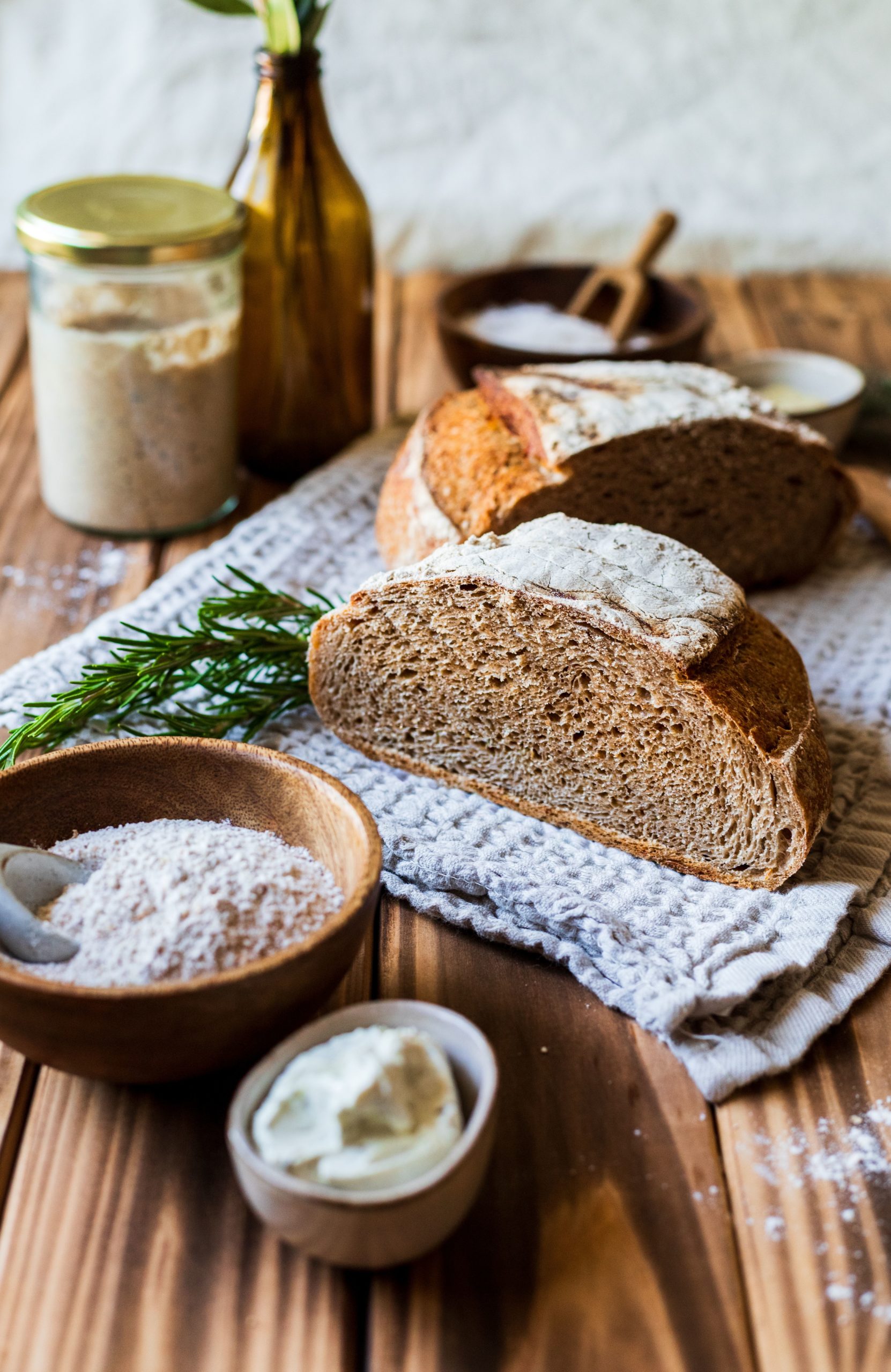
Cultured foods are a specific type of fermentation, namely controlled fermentation. A concentrated dose of specific beneficial bacteria or starter culture is added to foods. This dose kick-starts and controls the fermentation process. Specific examples of cultured foods include crème fraîche, yoghurt, kefir, cultured butter and sourdough breads.
Fermentation
Fermentation is the breakdown of carbohydrates by bacteria or yeast strains and produces carbon dioxide as a byproduct. This process helps to create probiotics, breaking down the food without our guts having to, making these foods much easier to digest.
There are two main types of fermentation: cultured/controlled fermentation and wild fermentation.
Cultured fermentation, or cultured foods, has a specific strain of bacteria or yeast added. This produces a more controlled and consistent result.
Wild fermentation is when artisans, bakers and cooks make use of the microbes found naturally on the foods to help start fermentation, instead of adding a concentrated dose. This produces an uncontrolled and sometimes inconsistent result. Examples of wild-fermented foods include kimchi and sauerkraut.
When to eat which
While both cultured and fermented foods are highly beneficial, does the type of fermented food matter?
Unless you’re making a specific dish, no, it doesn’t matter. All cultured and fermented foods are highly beneficial to your diet and mostly interchangeable. The key benefits of adding fermented foods to your diet include:
- increased amount of beneficial bacteria/probiotics present in your gut
- improved gut microbiome
- improved digestion of essential nutrients like vitamin B12 and other anti-inflammatories
- an improved gut microbiome may improve your mood, skin, decrease anxiety, and improve sleep
Our favourite recipes
1. Fish tortillas with fennel slaw and sour cream
2. How to put your sourdough discard to good use (think brownies, pizza, and more!)
How to put your sourdough discard to good use (think brownies, pizza, and more!)
3. How to make the prebiotic drink Kefir
4. How to make your own kimchi
5. Soft-set yoghurt panna cottas