We know what you’re thinking, any headline with a word like ‘fibermaxxing’ in it sounds like another frivalous social media trend, only looking to blow things up without the sufficient backing from health professionals or with anything of real substance. However, this time is different. Fibermaxxing is a TikTok trend that has, and continues, to blow up, but is backed with good old moral fiber (see what we did there?), and of course, science.
We all should be jumping onto this trend, and we promise that your body will thank you for it.
What is fibermaxxing
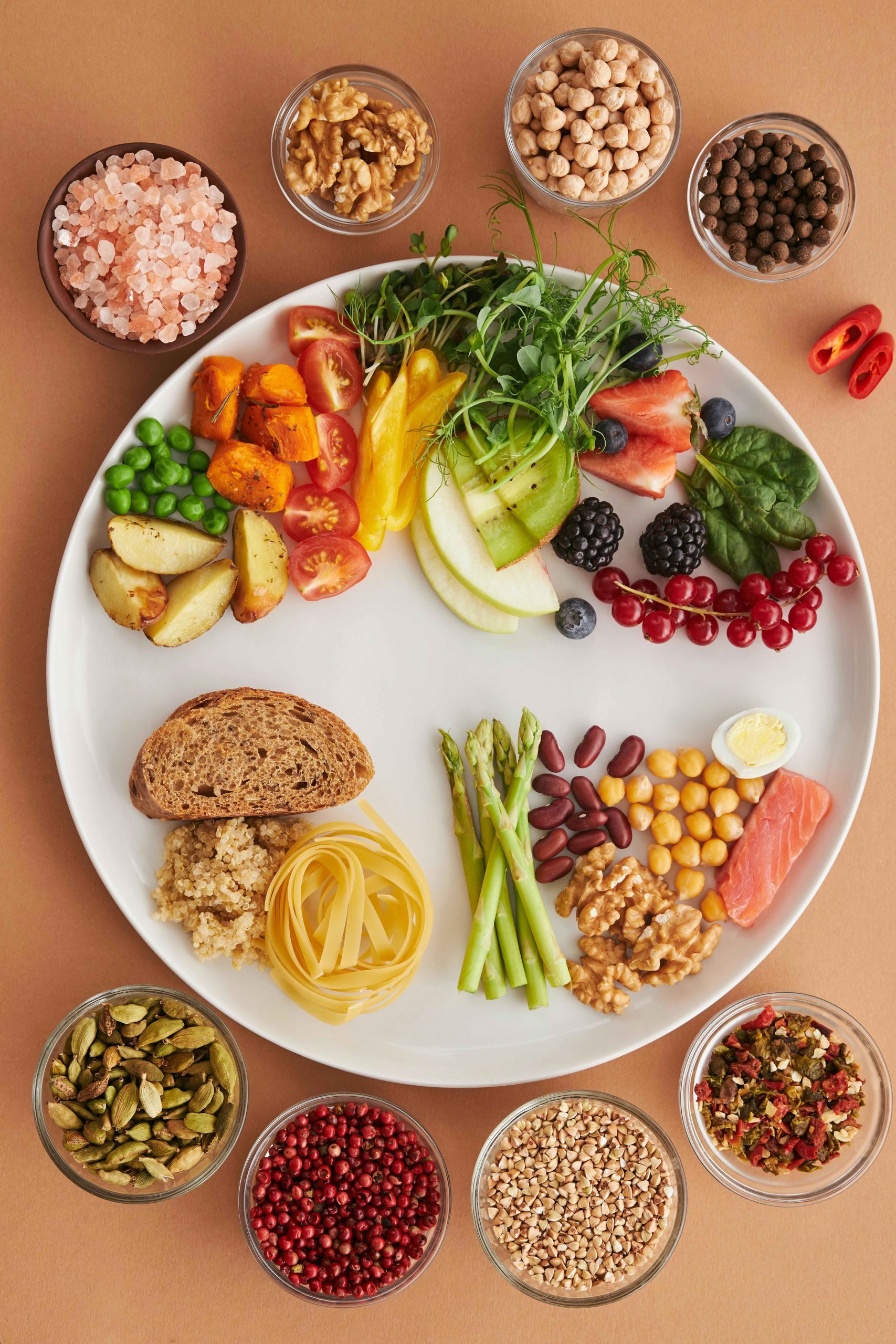
As the name already suggests, fibermaxxing is the practice of maximising your daily fiber intake. Many tiktokers in the health sphere on the social media platform have blown up the trend by showcasing how the average person can indeed reach their daily fiber goals, using accessible and convenient foods. Increased fiber does not need to look like boring boiled oats and a mountain of shredded lettuce (sad).
Instead, incorporating nuts and seeds, fermented veggies, swapping plain old potatoes for sweet potatoes, and choosing some shredded cabbage over ice berg lettuce for your homemade burger makes attaining our daily fiber goals achieveable, and more importantly, doable in a tasty and convenient way.
According to studies, the average adult needs to eat between 25 and 35 grams of fiber a day. Shockingly, the portion of this population that actually achieves this is below 10%.
How is this bad?
Why your body needs fiber
Fiber, soluble and insoluble, supports our overall health in many ways. Fiber helps to:
- stay feeling full and satisfied after eating,
- provide food to your gut microbes who, when breaking down fiber, produce short chain fatty acids that keep the lining of your stomach healthy and regulates inflammation,
- balance your blood sugar levels,
- promote digestion and to regularly clean out your gut (mainly insoluble fibers) so you have regular bowel movements, and
- safeguards your heart health by lowering the amounts of cholesterol and fats that get absorbed into your blood stream.
Without reaching your fiber intake on a consistent basis, you’re at higher risk of developing type 2 diabetes, heart disease, and bowel cancer (which is, notably, on a very concerning rise in young adults). The idea of eating a high-fiber diet to support gut and overall health is nothing new – health professionals like your GP and dietician have been singing this tune for ages – in fact, it’s rooted in science. Studies have shown that for every 7 gram increase in fiber intake, your risk of these abovementioned chronic conditions can drop meaningfully.
Where do you start
Firstly, it is advised that you consult your GP or a registered dietician about any dietary changes you intend to make, especially if you have had surgery recently or have chronic conditions involving your heart or gut, like IBS or Chron’s disease. In some cases, too much fiber, or a large amount suddenly, can have adverse effects on your health.
Intake of excessive amounts of fiber can lead to bloating, gas, cramping, nausea, and even constipation or diarrhoea (depending on how much water you drink). But this is far easier to manage than iminent chronic conditions like bowel cancer.
First, you need to get a picture of how much fiber you consume daily. You want to aim to gradually increase this amount, taking note of how your body responds. You might experience some symptoms, like gas or cramping, which will tell you when to dial it down until your body recovers.
If you’re consuming about 10 grams a day, you definitely should not aim to eat 30 grams a day. Start by incorporating 5 to 7 grams a day, or every second day, depending on how your body reacts. Look at foods rich in fiber like beans, whole grains, lentils, oats, nuts and seeds, berries, raw or cooked greens, avocados, and other whole fruit and veggies to start snacking on or incorporating into your meals.
Another very important aspect to take note of is your water intake. The more fiber you consume, the more water or liquids your body will need, too. Water helps solubel fiber soak up cholesterol and fats, and makes insoluble fiber move along your gut gently.
Adjusting your fiber intake is a marathon, not a sprint. It’s all about balance, diversity and what works best for your body.