Smart homes have long promised convenience at the tap of a screen or the sound of a voice. In 2026, however, the conversation has shifted. Intelligent homes are no longer about individual gadgets or flashy features, but about professionally integrated systems that are thoughtfully designed around how people live.
Rather than homeowners constantly managing technology, today’s most advanced homes are carefully configured by specialists to respond seamlessly to daily routines, lifestyle preferences, and the realities of modern living. The result is a home that feels intuitive, comfortable, and efficient, without the technology demanding attention.
According to Adriana Wooldridge from Homemation, South Africa’s leading distributor of premium home automation, audiovisual, and lifestyle technologies, intelligent living is moving away from ‘tech for tech’s sake’ towards solutions that genuinely enhance everyday life.
These homes don’t ‘think’ for themselves,” Wooldridge explains. “They’re professionally designed and programmed around the people who live in them. That’s what makes them feel so natural and easy to use.”
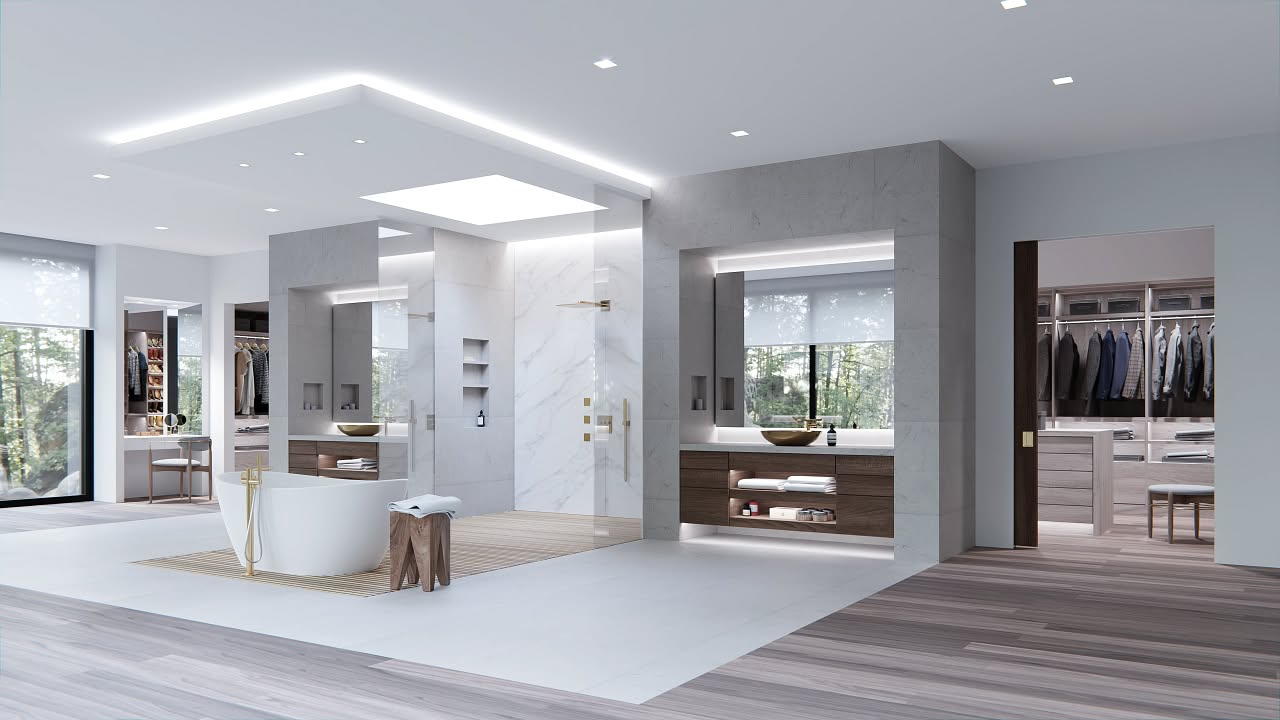
Five key home integration trends shaping intelligent homes in 2026
1. Homes designed around daily rhythms
One of the most significant shifts in intelligent home design is the emphasis on daily patterns and routines. Instead of homeowners needing to adjust settings, systems are carefully configured from the outset to align with how a household moves through the day.
Lighting scenes that transition from morning to evening, climate control that reflects seasonal preferences, and entertainment systems that are ready when spaces are used are all pre-programmed as part of an integrated design. It’s not about automation taking over; it’s about thoughtful setup that mirrors real life.
2. Simplicity replaces app overload
As home technology has expanded, so has the number of apps and controls, and homeowners are pushing back. In 2026, simplicity is a defining trend.
Integrated systems now bring lighting, climate, security, and entertainment together into a single, cohesive interface. Whether controlled via a wall keypad, voice assistant, or central app, the aim is to reduce complexity and make interaction effortless. The best intelligent homes are the ones where the technology quietly fades into the background.
3. Energy management becomes part of everyday living
With rising electricity costs and ongoing power challenges in South Africa, energy efficiency is no longer optional. Intelligent homes are increasingly being designed with energy awareness at their core.
Through professionally configured systems, homes can automatically reduce energy use in unoccupied spaces, optimise lighting levels, and integrate seamlessly with solar, battery, and backup power solutions. This approach supports sustainability while also improving resilience and long-term cost efficiency.
4. Security that’s integrated, not intrusive
Security remains a key driver of home integration, but the emphasis is shifting towards reassurance rather than constant alerts.
Modern security systems are now designed as part of a broader home ecosystem, allowing for smarter monitoring, more relevant notifications, and remote access when needed. When properly configured, these systems provide peace of mind without disrupting daily life or overwhelming homeowners with unnecessary information.
5. Wellbeing-focused home environments
Perhaps the most human trend shaping intelligent homes is the growing focus on wellbeing. Lighting designed to support natural sleep cycles, audio-visual environments that encourage relaxation, and climate control that enhances comfort all play a role in creating calmer living spaces.
The conversation is changing,” Wooldridge says. “Intelligent living is about how seamlessly a home can support the way people live. When it’s done properly, you don’t notice the technology, you feel the difference.”
In 2026, intelligent homes are increasingly viewed as personal sanctuaries, spaces that support rest, balance, and everyday comfort through thoughtful design rather than visible technology.
Also See: Make these cute edible gift ideas for your loved ones this Valentine’s Day
Make these cute edible gift ideas for your loved ones this Valentine’s Day
Images and words provided.