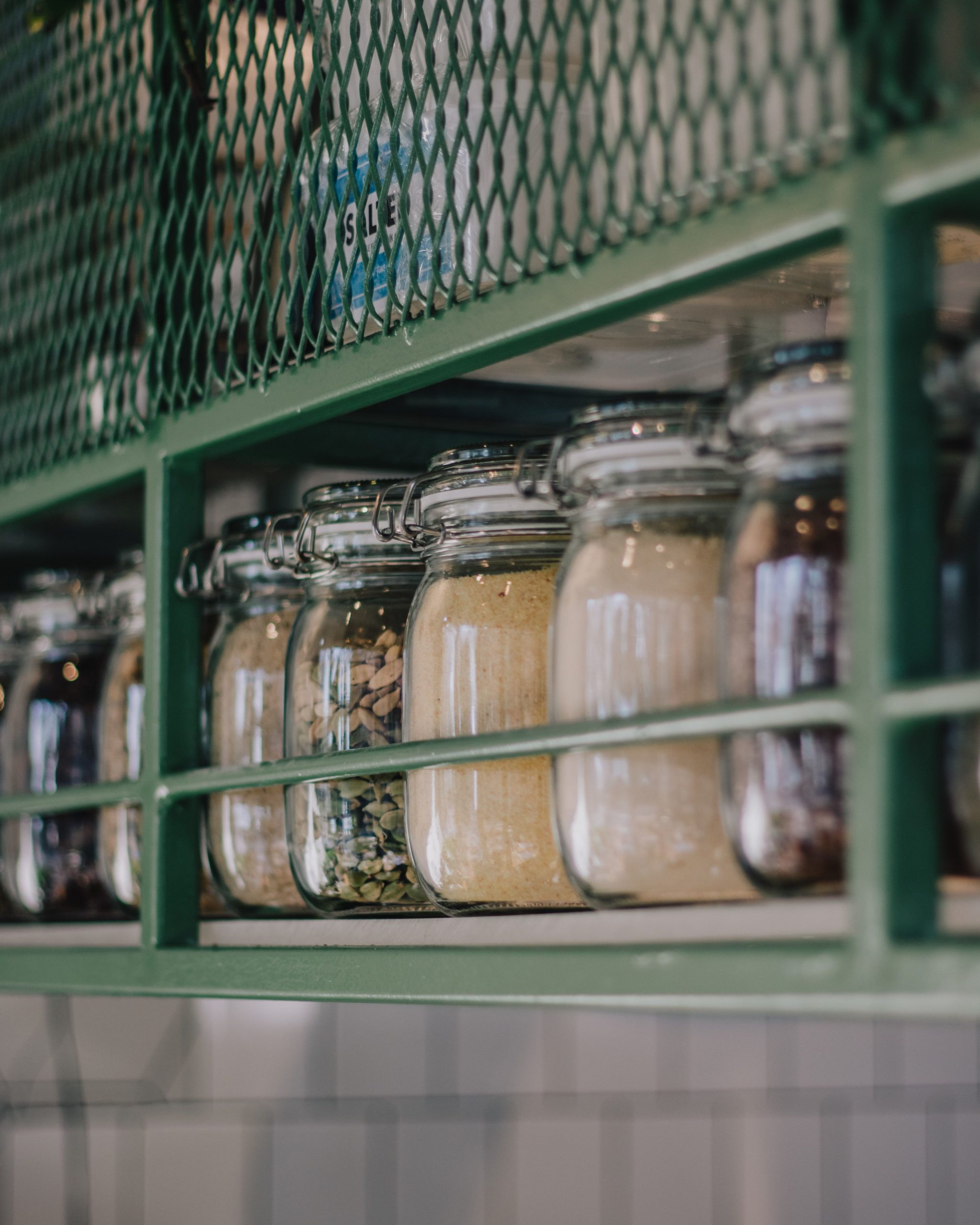
Pantry supplies are a cook’s best weapon in the kitchen: a can of cooked lentils here and a few condiments like Worcestershire and soy sauce there, and you’ve almost got a full, tasty meal. And although the dates on the label indicate a specific shelf life for each item, there is some leeway. Learn how long pantry supplies actually last so you can keep your pantry stocked and know when to replace key ingredients like bicarbonate of soda and dried spices.
How long pantry supplies actually last
The following is a list of the shelf lives of the following common pantry supplies:
1. Baking supplies
- Baking powder: 18 months
- Bicarbonate of soda: 2 years
- Baking chocolate: 6 to 12 months
- Cream of tartar: 2 to 3 years
- Chocolate chips: 16 months to 2 years
- Cocoa powder: 1 year
- Cornstarch: 18 months
- Flour (cake, bread and self-raising): 6 to 8 months
- Honey: indefinitely
- Evaporated and powdered milk: 1 year
- Condensed milk: 1 year
- Molasses: 2 years
- Nuts, shelled: 4 months
- Nuts, unshelled: 6 months
- Vegetable oil: 2 years unopened, 1 year opened
- Olive oil: 6 to 8 months
- Salt: indefinitely
- Sugar (white, brown and caster): indefinitely
- Yeast: keep to the best-before date on the package
2. Herbs and spices (dried and ground)
- Allspice: 2 to 3 years
- Basil: 1 to 3 years
- Bay leaves: 1 to 3 years
- Black pepper: 2 to 3 years
- Chilli powder: 2 to 3 years
- Cinnamon sticks: 3 to 4 years
- Ground cinnamon: 2 to 3 years
- Whole cloves: 3 to 4 years
- Ground cloves: 2 to 3 years
- Coriander seeds: 3 to 4 years
- Ground coriander: 2 to 3 years
- Whole cumin: 3 to 4 years
- Ground cumin: 2 to 3 years
- Dill: 1 to 3 years
- Dry mustard: 2 to 3 years
- Mustard seeds: 3 to 4 years
- Minced garlic, sealed: 2 years
- Whole garlic: 3 to 4 months
- Garlic powder: 2 to 3 years
- Ground ginger: 2 to 3 years
- Fresh ginger: 2 to 3 months
- Marjoram: 1 to 3 years
- Whole nutmeg: 3 to 4 years
- Ground nutmeg: 2 to 3 years
- Onion powder: 2 to 3 years
- Oregano: 1 to 3 years
- Parsley: 1 to 3 years
- Rosemary: 1 to 3 years
- Sage: 1 to 3 years
- Thyme: 1 to 3years
- Curry powders: 2 to 3 years
3. Dried goods
- Dried beans: 1 year
- Cereal: 6 to 12 months unopened, 2 to 3 months opened
- Dried fruits (raisins, apricots, etc.): 6 to 12 months
- Biltong, sealed: 12 months
- Dried lentils: 1 year
- Oatmeal: 1 year
- Dried stock cubes: 2 to 3 years
4. Canned and jarred goods
- Pureed apple/applesauce: 12 to 18 months
- Canned beans: 2 to 5 years
- Stock, unopened: 2 to 5 years
- Canned fruit: 12 to 18 months
- Canned meat (tuna, salmon, chicken, etc.): 2 to 5 years
- Home-canned foods: 12 months
- Pumpkin puree: 12 to 18 months
- Soup: 2 to 5 years
- Tomato soup: 12 to 18 months
- Tomato paste, unopened: 12 to 18 months
- Pureed tomato: 12 to 18 months
- Tinned tomatoes (whole, crushed, stewed and sun-dried): 12 to 18 months
5. Pasta & grains
- Cookies: 2 months
- Crackers: 8 months
- Pasta: 2 years
- Popcorn: 2 years
- Pretzels and chips: 2 months
- Basmati, white and jasmine rice: 2 years
- Brown rice: 6 months
- Wild rice: 6 months
6. Condiments
- BBQ sauce: 1 year
- Chutney: 1 to 2 years, unopened
- Hot sauce/chilli: 5 years unopened
- Jam: 2 years
- Tomato sauce: 1 year
- Maple syrup: 1 year unopened
- Mayonnaise: 3 to 4 months
- Mustard: 2 years
- Peanut butter: 6 to 9 months, unopened and 3 months, opened
- Pickles: 1 year
- Salad dressing: 12 to 18 months
- Salsa: 12 to 18 months
- Soy sauce: 3 years, unopened
- Vinegar (all types): indefinitely, but safer to use within 2 to 3 years
- Worcestershire and HP sauce: 1 year
7. Drinks
- Ground coffee, vacuum-packed: 1 year unopened
- Roasted coffee beans, not vacuum-packed: 1 to 3 weeks
- Roasted coffee beans, vacuum-packed: 6 to 12 months
- Instant coffee: 1 year, unopened
- Juice boxes: 4 to 6 months
- Bottled or canned juice: 12 months
- Sodas: 9 months
- Tea bags: 18 months
- Loose tea: 2 years
- Bottled water: 1 to 2 years