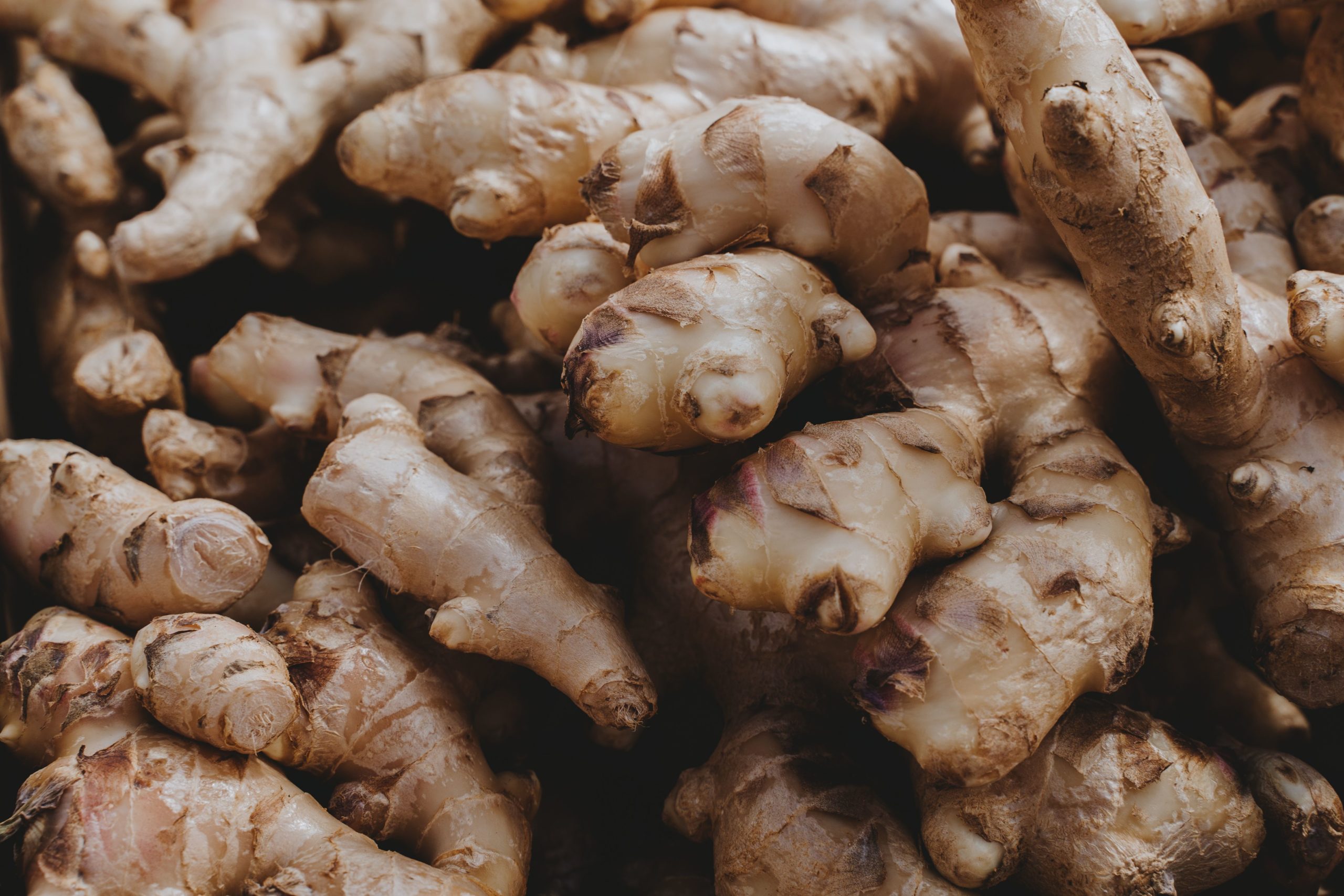
Ginger, in the last couple of decades, has become so mainstream that almost all kitchens have it stocked. Whether used to brew an all-round health-boosting tea or used in various curries, stews, stir-fries and sweet treats, ginger is a versatile ingredient to have. And while it can be stored for long periods of time, you might have come across a few knobs with a blue tinge.
But don’t be alarmed: this doesn’t mean the ginger has gone bad or is toxic. There are a few reasons why your ginger has turned blue – none of them inherently bad.
Why does fresh ginger turn blue
There are two main reasons for blue ginger, namely cultivation or storage.
1. Cultivation
Yup, you read that right. Farmers have crossed two specific species of ginger to create one with a bluish flesh. These include the Indian variety, Rasna (Alpinia galanga), which is used to support joint mobility and ease muscle stiffness and digestion. It is commonly referred to as “blue ginger” due to its blue and blue-violet hue.
Other strains have been selectively bred, like that of the Hawaiian Buba baba ginger – showcasing a distinct blue-violet hue.
2. Storage
When fresh ginger is stored in a cold environment for long periods of time, like in the fridge, it becomes less acidic. And when it becomes less acidic, i.e. the pH of the ginger has totally changed, the anthocyanin pigments present alter, resulting in a blue tinge or hue. Anthocyanins are a type of pigment that gives red, purple and blue fruits and veggies their distinctive colours.
When is ginger unsafe?
While blue ginger is totally harmless (and even specifically cultivated), there does come a point where fresh ginger becomes unsafe for consumption. If your fresh ginger has any of the following traits, it’s time to compost it:
- Mouldy
- It has any dark or wet patches on its skin
- You see rotten or mushy areas
- The interior or flesh has become soft, mushy or slimy
- It has a sour, musty or unpleasant smell