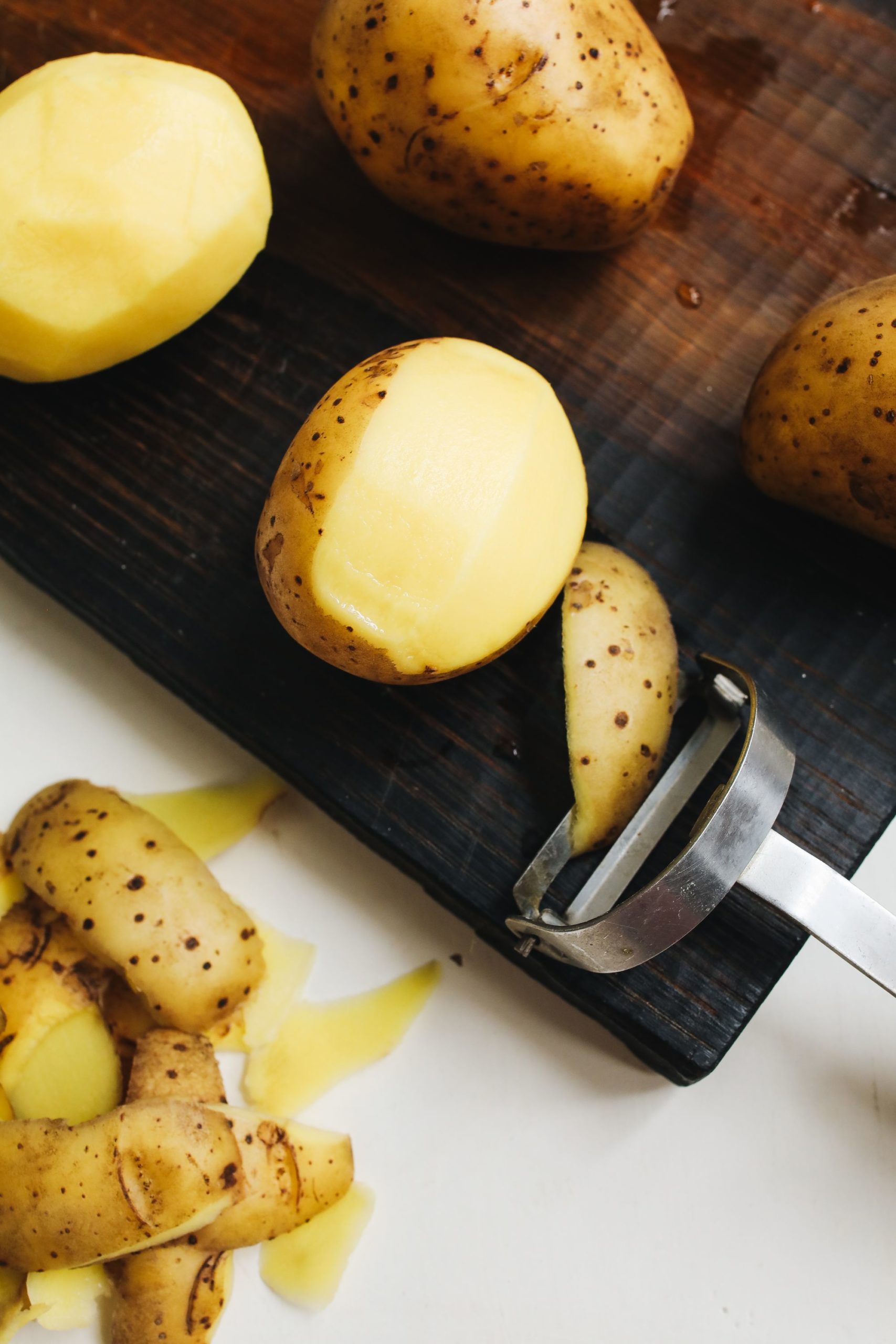
Peeling potatoes is second nature in many kitchens. Whether you’re whipping up creamy mash, crispy roast potatoes or a hearty winter soup, those skins often end up in the bin before you give them a second thought.
But if you’re looking to waste less and get more from your groceries, potato skins are worth hanging onto. When scrubbed clean and cooked properly, they’re packed with fibre and nutrients, and they’re surprisingly versatile too.
Here are eight clever ways to use potato skins instead of throwing them away.
1. Turn them into crispy potato peel chips
Perhaps the easiest way to use potato skins is to make a crunchy snack. Toss freshly peeled skins with a little olive oil, salt and your favourite seasonings before baking or air-frying until crisp. Smoked paprika, garlic powder, rosemary, parmesan or even a pinch of chilli flakes all work beautifully.
Serve them on their own, scatter them over soups for extra crunch or enjoy them alongside burgers and sandwiches.
Top tip: The fresher the peels, the crispier they’ll become. Don’t leave them sitting out for too long before cooking.
2. Give soups a flavour boost
Making a potato soup? There’s no need to peel every potato. Leaving some of the skins on creates a more rustic texture while adding extra fibre. If you’re blending the soup, the skins all but disappear, leaving behind a richer flavour and a little more goodness. Just be sure to wash your potatoes thoroughly first.
3. Use them to make vegetable stock
Potato skins can also join the bag of vegetable scraps you keep in the freezer for homemade stock. Add them alongside onion skins, carrot peelings, celery leaves and herb stems, but use them sparingly. Too many potato skins can make stock cloudy and slightly starchy, so think of them as one ingredient rather than the main event.
4. Make loaded potato skins
If you’ve baked potatoes and scooped out the fluffy centres for another recipe, don’t let the shells go to waste. Brush the skins with olive oil, bake until crisp, then load them up with your favourite toppings. Cheese, crispy bacon, caramelised onions, spring onions, sour cream or leftover chilli all make delicious fillings. They’re an easy appetiser for entertaining or a satisfying lunch with a simple salad on the side.
5. Add crunch to salads
Crispy potato skins aren’t just for snacking. Break them into smaller pieces and sprinkle them over leafy salads, grain bowls or even potato salad. They add texture in much the same way croutons do, with the bonus of reducing food waste.
6. Compost what you can’t use
If cooking with potato skins isn’t your thing, composting is the next best option. Potato peels break down well in a healthy compost heap, returning valuable nutrients to the soil instead of ending up in landfill.
One thing to keep in mind: avoid composting skins from diseased or heavily sprouted potatoes, as they may introduce problems into your garden.
7. Leave the skins on in the first place
Sometimes the easiest solution is simply not peeling your potatoes. Baby potatoes and many thin-skinned varieties roast beautifully with their skins intact, while boiled potatoes develop a lovely texture without needing any extra prep.
Leaving the skins on saves time, reduces waste and helps retain some of the potato’s natural fibre.
8. Use them as a natural cleaning scrub
This one might surprise you. The starchy inside of a fresh potato skin can help loosen grime from cast-iron cookware or stubborn residue on certain surfaces when used as a gentle scrub. While it won’t replace your regular cleaning products, it’s a handy zero-waste trick to try before reaching for harsher chemicals.
When should you throw potato skins away?
Not all potato skins are safe to eat.
Discard potatoes that are:
- Green in colour
- Bitter tasting
- Mouldy or rotten
- Heavily sprouted
Green potatoes contain higher levels of naturally occurring compounds called glycoalkaloids, including solanine, which can be harmful if consumed in large amounts. If a potato has extensive green patches or signs of spoilage, it’s best to throw it away rather than trying to salvage it.
It’s also important to scrub potatoes well before cooking to remove dirt and any remaining surface residue.
ALSO SEE: Why potatoes sprout and how to stop it
Feature image: Pexels