That little claim on the biscuit tin or chocolate slab sounds reassuring, but it doesn’t tell you much. Here’s how to read the back of the pack, plus the swaps and plate ideas that taste better anyway.
You’re in the aisle with a birthday on Saturday. Your uncle has type 2 diabetes, and there it is: a pretty tin of shortbread marked “diabetic friendly”. It feels thoughtful, so into the trolley it goes.
Hold on before the till. That phrase is a marketing line, not a promise, and it can’t tell you what your uncle’s blood sugar will do. Once you know what to look for instead, you can feed everyone at the table well, and the food usually tastes better too.
The sticker that sounds like a promise
South Africa has no gold-standard “diabetic friendly” badge. Trade guides on SA labelling say wording such as “diabetic friendly” or “suitable for those with diabetes” is technically not permitted. You’ll still see it, so the claim isn’t a reliable guide.
Overseas, the thinking has moved the same way. Diabetes UK campaigned for 30 years to get these labels off shelves. Its experts said the labels were misleading and wrongly implied the products were better for people with diabetes than mainstream choices. The foods were often lower in sugar thanks to sweeteners, but typically not lower in fat or calories.
Warning labels may be coming here too. Draft regulation R3337, which proposes front-of-pack warnings, was published in April 2023 but is not yet law. Until it is, the back of the pack is where the truth lives.
Sweet without sugar? Meet the polyols
Many “diabetic” sweets and biscuits get their sweetness from sugar alcohols, also called polyols. Look for names like maltitol, sorbitol, xylitol or isomalt in the ingredients. Polyols still contain carbohydrate and calories, though fewer than sugar, with less effect on blood glucose.
The catch is that products made with them can be as high in fat and calories as the standard version. Your tummy may also protest. Sugar alcohols can ferment in the gut and cause gas or diarrhoea, especially in large amounts. That’s a rough way to end a family lunch.
Low GI: the number worth knowing, with a twist
The glycaemic index (GI) ranks how quickly a carbohydrate food raises blood sugar. South Africa’s health department defines low GI as 55 or below, intermediate as 56 to 69, and high as 70 or more. Regular SA bread, white or brown, sits high at 72 to 81, while butter beans come in low at 31.
Look for the GI Foundation’s symbols or a Diabetes SA logo. The GI symbols are applied on a voluntary basis. Diabetes SA says products carrying its logo are fine for people with type 1 or type 2 diabetes in the recommended serving size.
Remember that low GI isn’t automatically healthy. Chocolate cake, for instance, has a GI of 38. Serving size still counts.
Read the back like a recipe
Screenshot this one for your next shop. It works for anyone, with or without diabetes.
- Check total carbohydrate per serving. Diabetes UK says to look at total carbohydrate, not just the “sugar” line.
- Scan the ingredients for sugar’s aliases: glucose, dextrose, syrup, maltodextrin, molasses.
- Spot the polyols (words ending in “-itol”) and ask whether the portion will sit well with you.
- Compare fat and kilojoules with the regular version. “Sugar-free” doesn’t mean low-kilojoule.
- Look for fibre and wholegrains near the top of the list.
- Be realistic about the serving. Label numbers are for the portion listed, not the whole tin.
Cook it yourself: swaps that taste like more, not less
SEMDSA, the SA diabetes society, advises choosing carbohydrates from whole grains, legumes, milk, vegetables and fruit over refined ones with added sugar, fats and sodium. In the kitchen, that means a pantry that works hard for you:
- Shortbread tin → a fruit platter with a few nuts and a wedge of good cheese.
- White rice or pap alone → a smaller scoop beside a big pile of veg and beans.
- White sliced bread → seed loaf or a proper wholegrain bread, toasted and topped with avocado.
- Sweet tinned fruit → fresh seasonal fruit, perhaps baked with cinnamon.
- Sugary sauces → tomato, onion and spice sauces you simmer yourself.
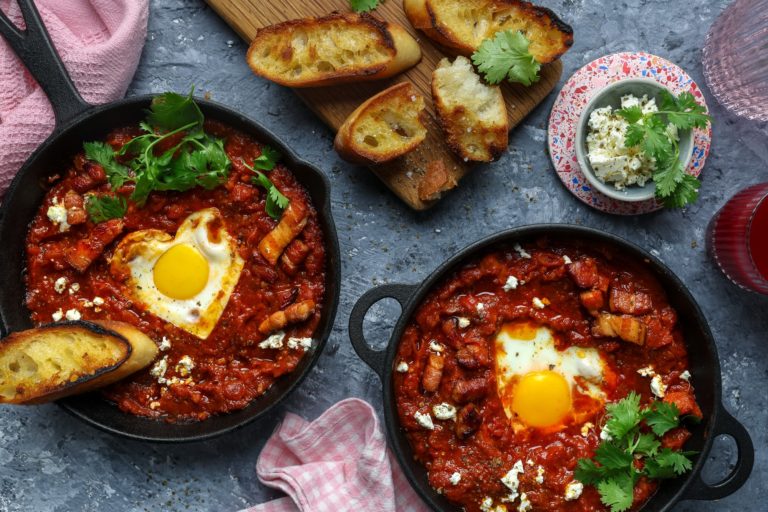
Try a butter bean and tomato stew with smoked paprika and fresh parsley, served with a green salad. It’s cheap and filling, and the beans carry fibre and protein. If you’re wondering how much protein belongs on a plate, our guide to protein and affordable local sources has numbers.
Hosting? Plate it, don’t label it
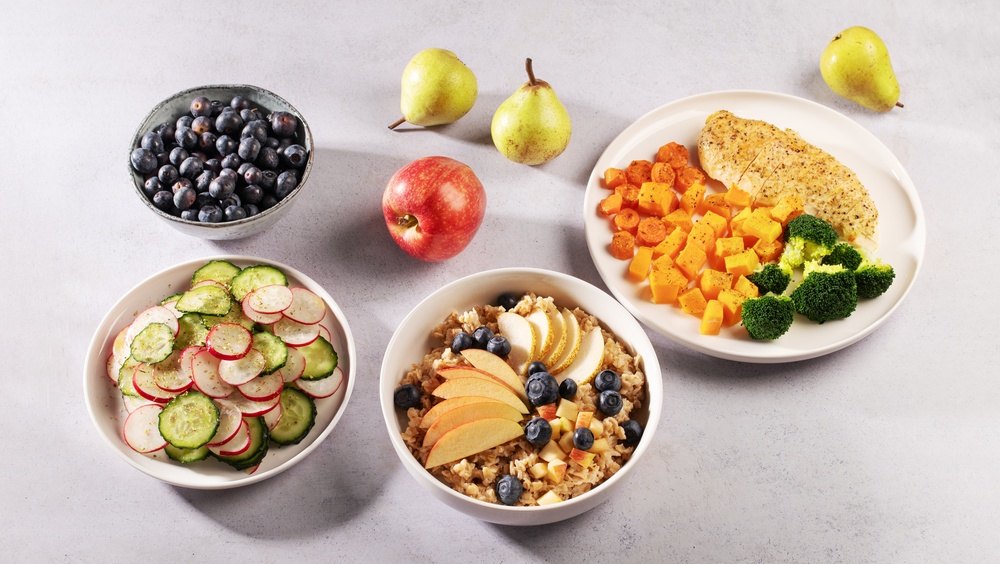
You don’t need a separate “diabetic menu”. Diabetes UK points out that people with diabetes don’t need special diabetic food. Build one generous table: grilled vegetables, a bean salad, roast chicken or fish, a bowl of fruit and yoghurt for pudding. Everyone eats the same meal, and nobody is singled out.
Don’t forget the drinks. Alcohol can lower blood glucose levels for up to 16 hours. Our piece on how much alcohol is too much will help you plan the bar.
One calm note: if you or someone you cook for takes insulin or other diabetes medicine, ask the doctor or a registered dietitian before big changes to meals. Portions and timing matter, and your dietitian can tailor a plan. If the pharmacy label or a pack’s claim leaves you unsure, ask your pharmacist.
The best “diabetic friendly” food is the one you cooked, can pronounce every ingredient of, and are happy to share.
ALSO SEE: Zero-sugar cooldrinks: smart swap or health halo? 6 better pours
Zero-sugar cooldrinks: smart swap or health halo? 6 better pours
Feature image: HealthLab / Supplied