Piling on the lentils and chia seeds overnight is a fast track to a gurgling tummy. Here’s how to build up your fibre slowly, with beans, barley, brown bread and the fruit bowl, and enjoy every bite.
It’s Tuesday evening and you’ve just watched a reel of someone stirring chia into everything, with lentils on the side. By Thursday you’ve decided this is your week. By Friday your jeans feel tight, your tummy is gurgling like a geyser and you’re wondering what went wrong.
Welcome to fibremaxxing, the social media trend of packing in as much fibre as you possibly can. The idea behind it is sound, because most of us don’t eat enough. The trick is in the pace, and your plate can be a pleasure the whole way there.
Why your plate probably needs more fibre
Fibre is the part of plant foods your body can’t break down. Instead, it becomes fuel for the trillions of microbes living in your gut. It also keeps you fuller for longer, and the soluble fibre in beans and oats may stop your body absorbing some of the cholesterol in other foods.
South Africans have some catching up to do. A 2015 review of South African adults’ diets found intakes as low as 16g a day in women and 18g in men. The NHS aims higher, recommending 30g a day, and the American Heart Association suggests 25 to 30 grams a day from food, not supplements.
Closer to home, our food-based dietary guidelines point to at least five portions (400g) of fruit and vegetables a day. They also say to eat dry beans, split peas, lentils and soya regularly.
What happens when you leap from 16g to 50g
Your gut is a creature of habit. The Mayo Clinic warns that adding too much fibre too quickly can cause gas, diarrhoea, cramping and bloating.
Some fibremaxxing content promotes extreme intakes of upwards of 50 grams. University of Utah Health points out that there’s no official upper limit, but eating far more than recommended doesn’t necessarily bring extra benefits.
Skimp on water and things can slow down instead. Increasing your fibre without enough fluid may make discomfort or constipation worse. Powders and supplements make it easy to overshoot, because it’s easy to take in a large amount in one sitting, which can overwhelm a gut that hasn’t had time to adapt.
Slow-cook your way up
Think potjie, not microwave. The Mayo Clinic suggests raising your intake by about 3 grams per week. That’s roughly one extra apple, with the skin on, because a medium apple with skin has about 4.5g.
Give your gut that time, because it and its microbes adapt, and symptoms improve after a short while. Here’s a gentle four-week ramp-up to try at your own pace:
- Week 1: Swap one starchy staple for a wholegrain one. Choose oats or brown bread at breakfast, and add a whole piece of fruit.
- Week 2: Add a small scoop of beans or lentils to one meal a day. Stir them into a stew, soup or a salad.
- Week 3: Pile vegetables on at lunch and supper, with the skins on where you can.
- Week 4: Bring in pearled barley or wholewheat pasta for a Sunday-lunch side, and see how your body feels.
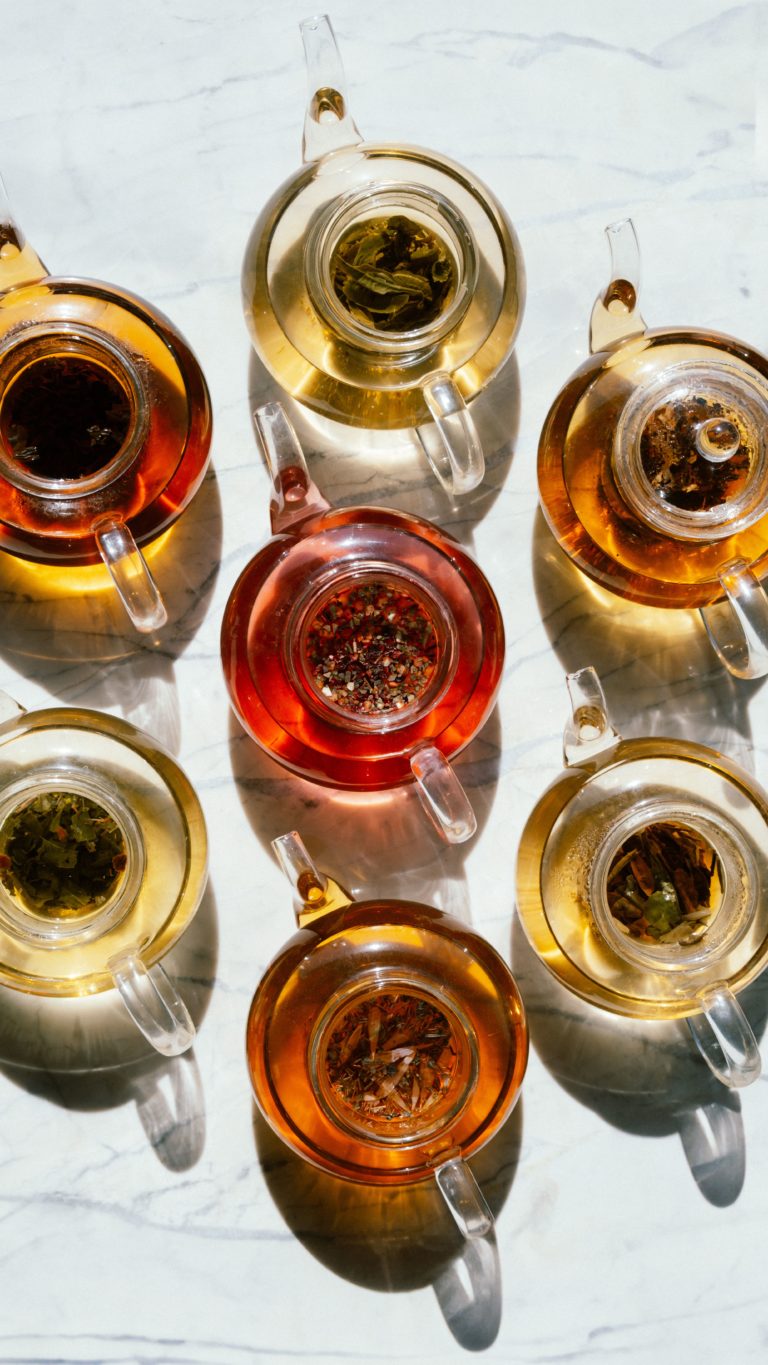
Keep the fluids coming too. One NHS hospital leaflet suggests around 2 litres a day, and water, tea and coffee all count.
Make it taste like Sunday lunch, not a detox
The best fibre doesn’t come as a scoop of powder. It comes with flavour. Beans are a hero: half a cup of cooked beans has around 7 to 8 grams of fibre. They suit our table beautifully, and South African guidelines suggest beans with chakalaka, samp or rice.
Other easy wins from the Mayo Clinic’s fibre chart: a cup of cooked pearled barley or wholewheat spaghetti has about 6g each, and a cup of boiled green peas has around 9g. Eat your fruit whole, too. Juice isn’t recommended as a regular replacement for fresh fruit, because it has little fibre and is high in sugar.
US dietitian Janet Helm sums it up nicely: “Choose your fibre by the company it keeps.” A whole apple or a potato with its skin brings vitamins and minerals along with the fibre.
Your fibre-friendly shopping list
- Rolled oats and pearled barley for porridge, soups and stews
- Brown or seeded bread and wholewheat pasta
- Tinned or dried beans, lentils and split peas
- Samp and beans for a classic, filling supper
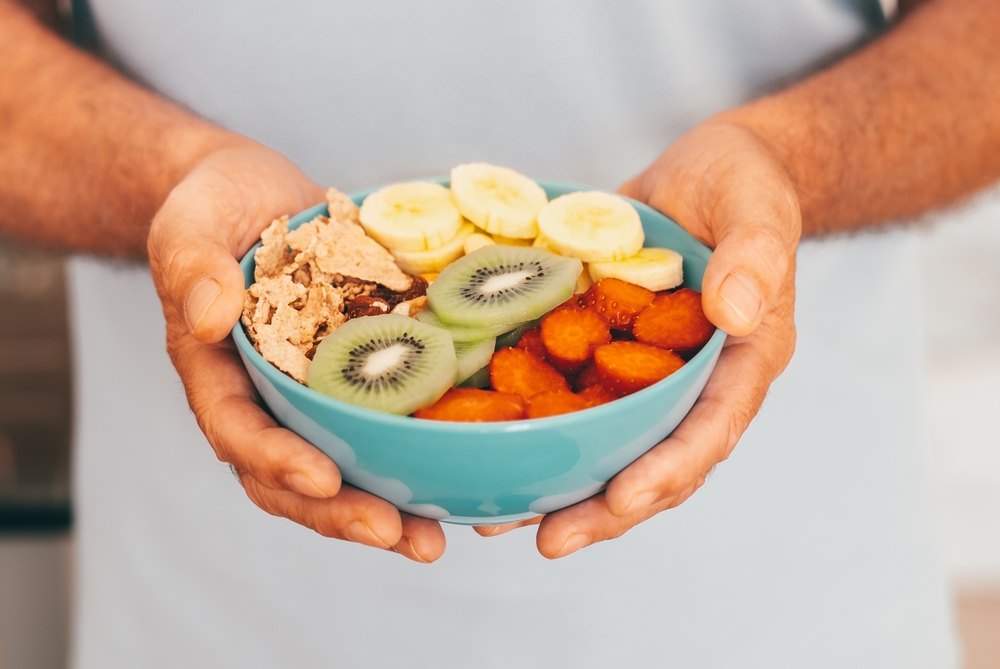
- Whole fruit you can eat skin and all, such as apples and pears, plus berries when they’re in season
- Peas, broccoli, spinach and other greens
- Carrots and butternut to roast, or to grate into mince dishes and soups
- A bottle you’ll actually refill all day
Tame the tooting
Beans and lentils are brilliant, but they contain complex sugars called oligosaccharides, which cause gas and bloating as they pass through the gut. Broccoli, cauliflower, Brussels sprouts and cabbage can be tougher going too, because their complex fibres ferment in the gut. Start with small portions and let your gut get used to them.
Spread the fibre over the day rather than loading one plate. Dietitian Yasi Ansari’s advice is to be consistent and include fibre in meals throughout the day. If bloating strikes at night, go lighter on the beans at supper for a few days. A comfortable tummy is a good start to a good night’s sleep.
When to check in with a pro
Fibre isn’t right for everyone, so it’s worth a chat with your doctor, pharmacist or a registered dietitian first. The Mayo Clinic notes that in gastroparesis, where the stomach empties slowly, high-fibre foods may make symptoms worse. If you have a digestive condition, this isn’t a trend to follow without making adjustments.
Little ones need less fibre than adults, and too much can crowd out the energy-dense foods they need to grow. If discomfort doesn’t settle after a few weeks, or you notice pain that worries you, get it checked.
For more everyday nutrition ideas, we’ve got plenty of recipes and tips. Think of fibre as a slow-braised dish: low heat, plenty of time, and a table full of people who’ll be asking for seconds.
ALSO SEE: Zero-sugar cooldrinks: smart swap or health halo? 6 better pours
Zero-sugar cooldrinks: smart swap or health halo? 6 better pours