The pastry world is entering a renaissance defined by creativity, comfort and curiosity, and nowhere is this more evident than in the rise of hybrid baking trends that continue to evolve at a dizzying pace.
What began as croissant-inspired experimentation has now moved far beyond the cronut era and into a global appetite for mashups that merge technique, tradition and pure indulgence. From Paris to Toronto, bakers are doubling down on unexpected creations that have transcended gimmick status to become mainstream staples.
Read more: 4 ways to use a roll of puff pastry: sweet & savoury style
One of the most headline-grabbing examples appeared on National Donut Day, when Philadelphia Cream Cheese unveiled the bonut – an uncut, doughnut-shaped bagel slathered with the brand’s newest sweet flavours, Blueberry and Pineapple, developed in collaboration with Toronto’s College Street Bagels and Montreal’s Fairmount Bagel. With Nielsen IQ data showing that 89 percent of cream cheese sales sit firmly in the savoury category, despite nearly half of consumers preferring sweet, the bonut reveals a clear opportunity in the market. It also reflects a broader consumer mindset: while people still long for the familiarity of comfort foods, there is an equally powerful hunger for adventure and novelty.
According to Taste Tomorrow’s global insights, 63 percent of Gen Z and Millennials say they are drawn to bakery items that offer something unexpected, a sentiment fuelling the popularity of cruffins, croffles, bonuts, duffins, crookies and other playful hybrids. Among these emerging icons, the crookie, a croissant–cookie mashup rumoured to have originated in Paris, has quickly gone international, blending buttery lamination with a soft, cookie-like centre to create a treat that feels both nostalgic and entirely new.
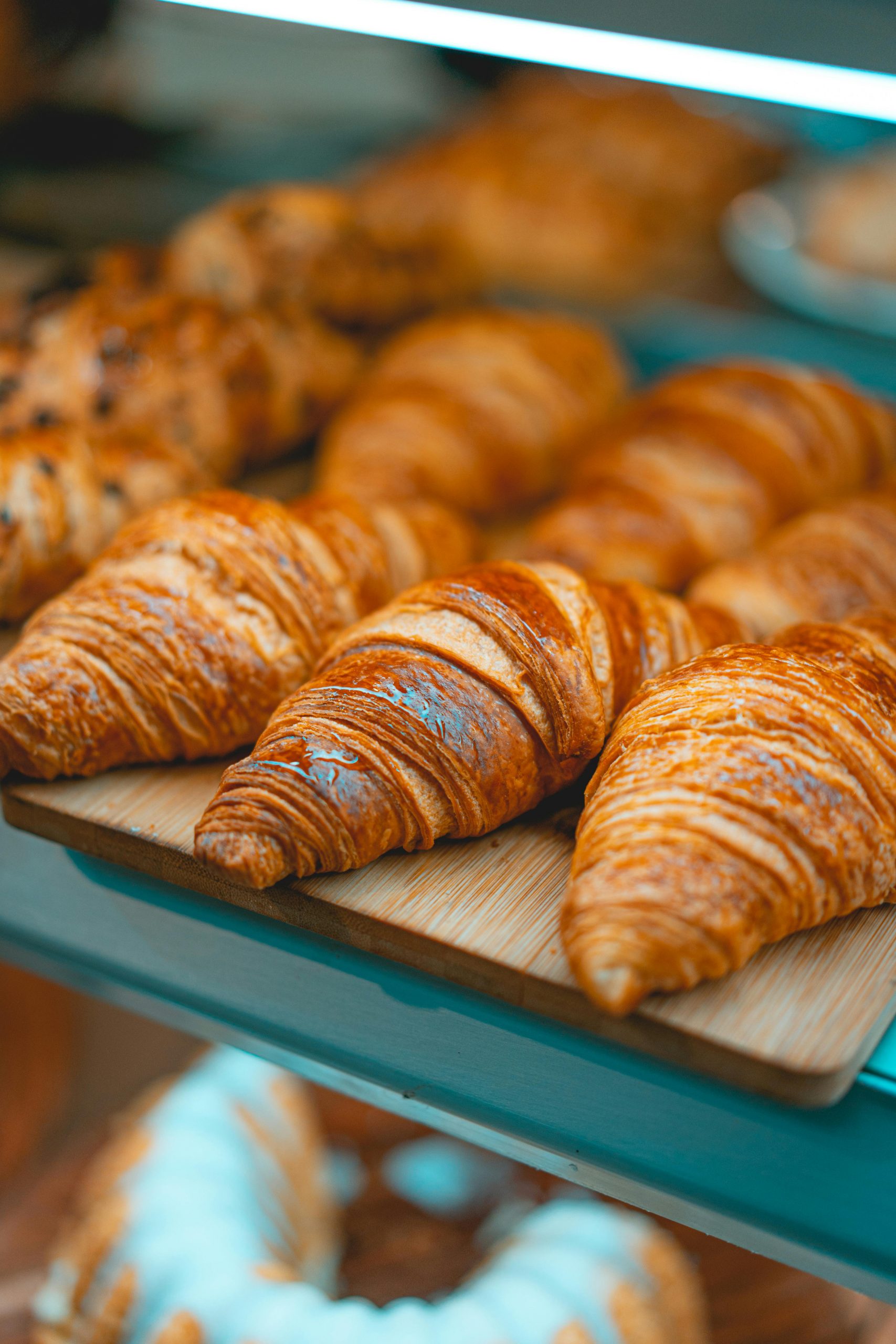
The trend extends to filled pastries, too, as bakers increasingly abandon plain croissants in favour of versions piped with pistachio, hazelnut or chocolate custards that peek temptingly from the edges. Equally eye-catching are cube-shaped croissants, which require specialised moulds and meticulous technique, often finished with colourful icing drips or elaborate toppings that highlight the baker’s artistry. Laminated brioche has also risen in prominence, using brioche dough layered with butter to achieve visually striking loaves with distinct layers and rich texture. And while traditionalists may raise eyebrows at flattened croissants or spiral-shaped creations, these experiments reflect a willingness to push boundaries and blend novelty with recognisable flavours, a combination increasingly supported by advancements in shelf life that make such intricate pastries more feasible for commercial production.
Alongside these indulgent innovations comes a growing commitment to sustainability, as bakeries adopt low- or no-waste practices that acknowledge both environmental responsibility and rising consumer expectations. Bakers are reimagining by-products, turning stale bread into bread pudding, for example, and reducing packaging by opting for durable, reusable flour bags. The movement also extends to maximizing whole ingredients, lowering energy consumption by using motion-activated lighting or renewable energy for ovens, recycling water and optimising overall utility usage. Smaller bakeries are even collaborating by sharing bulk ingredient shipments to reduce transportation impact and keep costs manageable, reinforcing a sense of community within the craft.
The pursuit of sustainability dovetails naturally with another major trend: the revival of heritage grains. Celebrated for their deep flavours and nutritional density, these grains benefit from long fermentation, allowing complex enzymes to develop and giving breads hearty, nutty, or earthy profiles. Their high levels of vitamins, minerals and fibre appeal to health-conscious consumers, while their connection to tradition aligns beautifully with the artisanal baking movement. Bakers who use heritage grains are not just producing food; they are telling stories about origin, craftsmanship, authenticity and the rediscovery of ancient ingredients that lend character and meaning to modern loaves. At the same time, artisanal baking continues to thrive, powered by a renewed focus on long fermentation, visual artistry, ingredient quality and the storytelling that elevates a simple pastry into a crafted experience. Craft bakeries are multiplying despite operational challenges; driven by a consumer desire to know not only what they’re eating but who made it and why.
Balancing these rich, layered trends is the rise of miniature and bite-sized desserts, offering indulgence without the guilt. Items like mini croissants, madeleines, petit fours and two-bite brownies have become staples for customers seeking portion control or variety without waste. Such tiny treats fit into more mindful eating habits while also serving the grab-and-go culture of cafés and retail bakeries, where they are priced for impulsive enjoyment.
The hybrid landscape continues to expand as brands and bakeries test new ideas. Starbucks has explored muffin crossovers such as the seasonal Pumpkin Cheesecake Muffin, while in the frozen aisle, brands like Nestlé Toll House and Pillsbury have seen success with cookie-stuffed brownie bites and doughnut-glazed cake bars. The croffle, made by pressing croissant dough in a waffle iron, has become another standout, joining a growing cast of inventive creations such as the Supreme, a spiral of croissant dough filled with Italian bomboloni cream; the Biski, a biscuit-cookie-cake trifecta developed by London’s Cutter & Squidge; the pretzel-croissant hybrid known as the Cretzel; and the Baissant, which merges the chew of a bagel with the flakiness of croissant layers.
Taken together, these trends show a pastry world driven by imagination, global influence, and a desire to blend the comforting with the unexpected. Whether it’s a cube croissant, a heritage-grain loaf, a guilt-free mini, or a wildly inventive mashup, today’s pastries reflect the evolving tastes of consumers who crave stories, craftsmanship, and a sense of discovery in every bite.
ALSO SEE: THE ULTIMATE GUIDE TO BAKING WITH CHOCOLATE
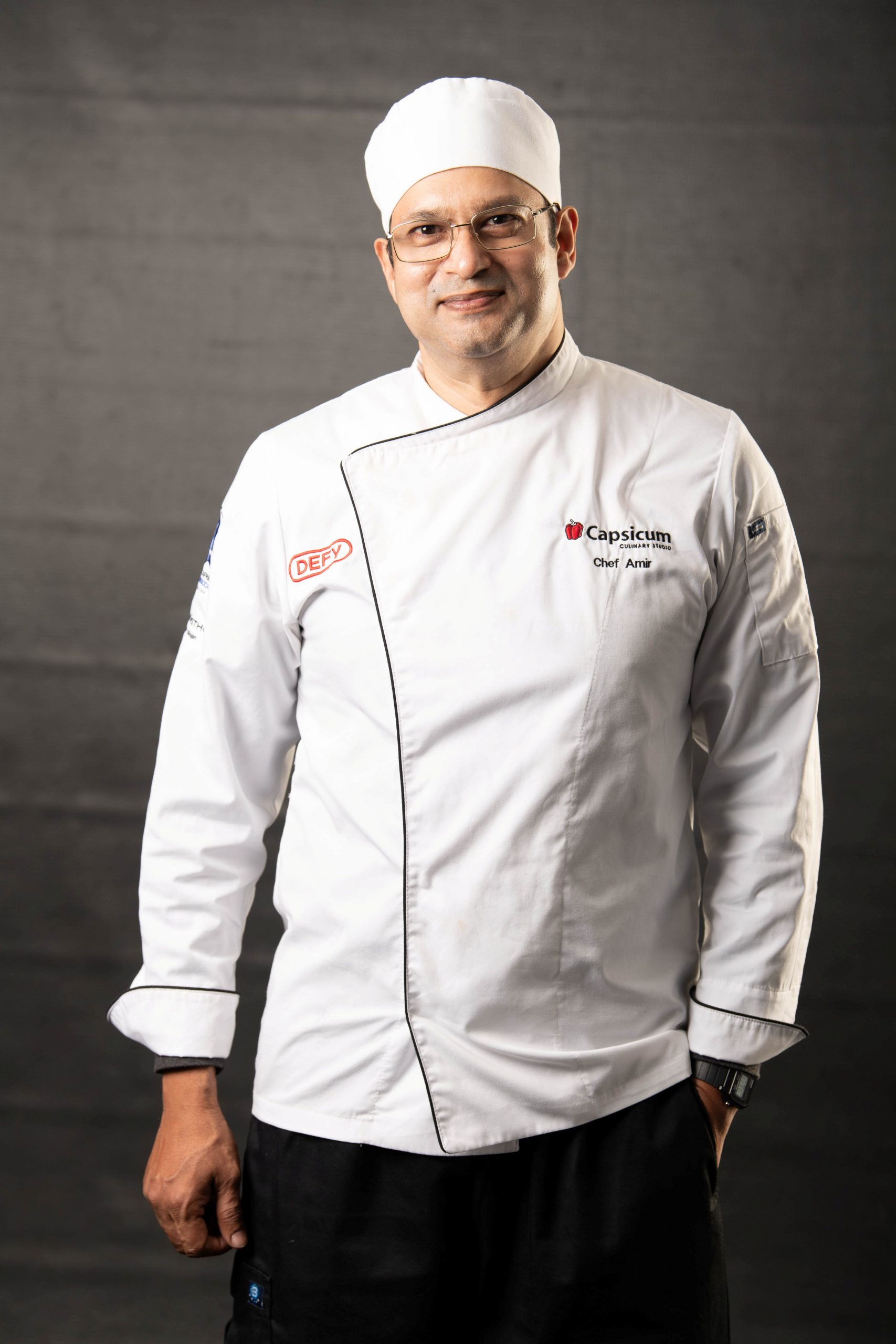
Words: By Amir Nizam, Chef Lecturer, Capsicum Boksburg campus