Step into any store in February and you’ll see them: glossy heart-shaped boxes, satin ribbons and rows of neatly lined truffles waiting to be chosen. Valentine’s Day and chocolate feel so naturally paired that it’s hard to imagine one without the other.
But this sweet tradition wasn’t always a given. Long before chocolate became a silky truffle or a melt-in-your-mouth slab, it was enjoyed as a bitter drink. In ancient Mesoamerican cultures, cacao was ground and mixed with spices to create a rich, frothy beverage reserved for royalty and ceremony. It was precious, powerful and deeply symbolic – a far cry from the sugared treats we know today.
When cacao made its way to Europe in the 16th century, it took time for tastes to adjust. Sugar softened its sharp edges, and over the centuries chocolate transformed from a spiced drink into a smooth, indulgent confection. As production methods improved in the 1800s, chocolate became more affordable and more accessible – no longer reserved for the elite.
Then came a clever idea that changed everything.
In Victorian England, gifting on Valentine’s Day was already popular. Cards, flowers and small tokens of affection were exchanged as romantic gestures grew more elaborate. A British chocolatier saw an opportunity: why not present chocolates in beautifully decorated, heart-shaped boxes designed to be kept long after the last sweet had been enjoyed?
It was genius. The box became just as desirable as what was inside it.
The Psychology of Chocolate and Love: Science supports the idea that chocolate and love go hand in hand. Chocolate contains phenylethylamine (PEA), a compound that stimulates the brain to release endorphins and dopamine – the same chemicals associated with falling in love. This natural mood booster enhances the feeling of happiness and affection, making chocolate the perfect romantic gift.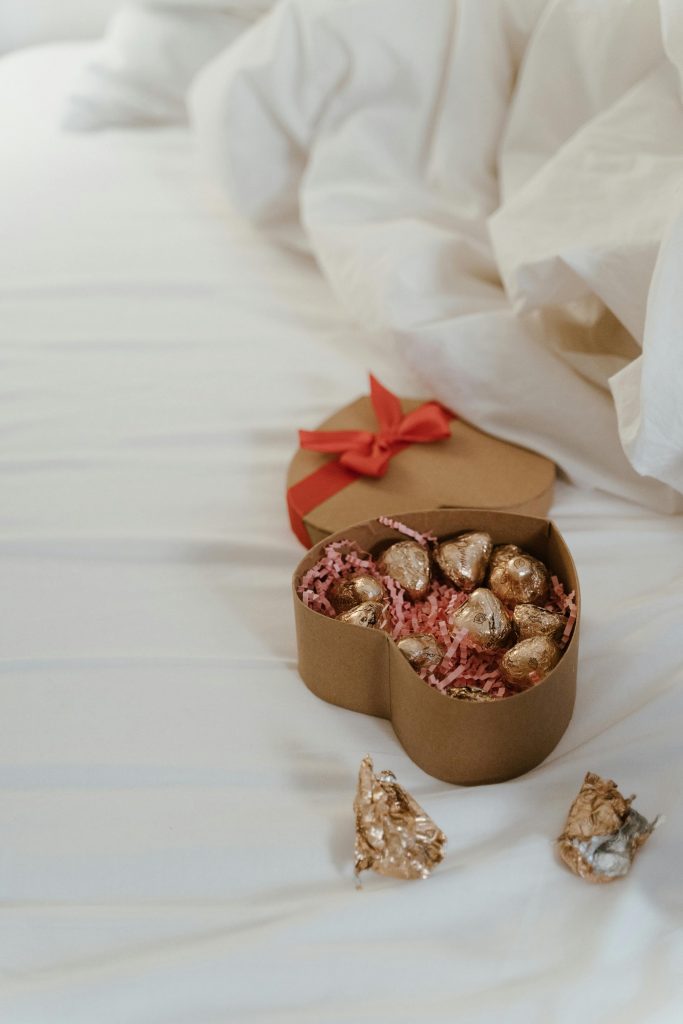

Chocolate, with its rich texture and indulgent reputation, felt perfectly suited to the language of love. And unlike flowers, it could be savoured slowly – one piece at a time.
There’s also something undeniably intimate about sharing chocolate. Breaking a slab in half. Offering the last truffle across the table. Letting it melt slowly as conversation lingers. It invites pause, pleasure and connection – all the things Valentine’s Day hopes to celebrate.
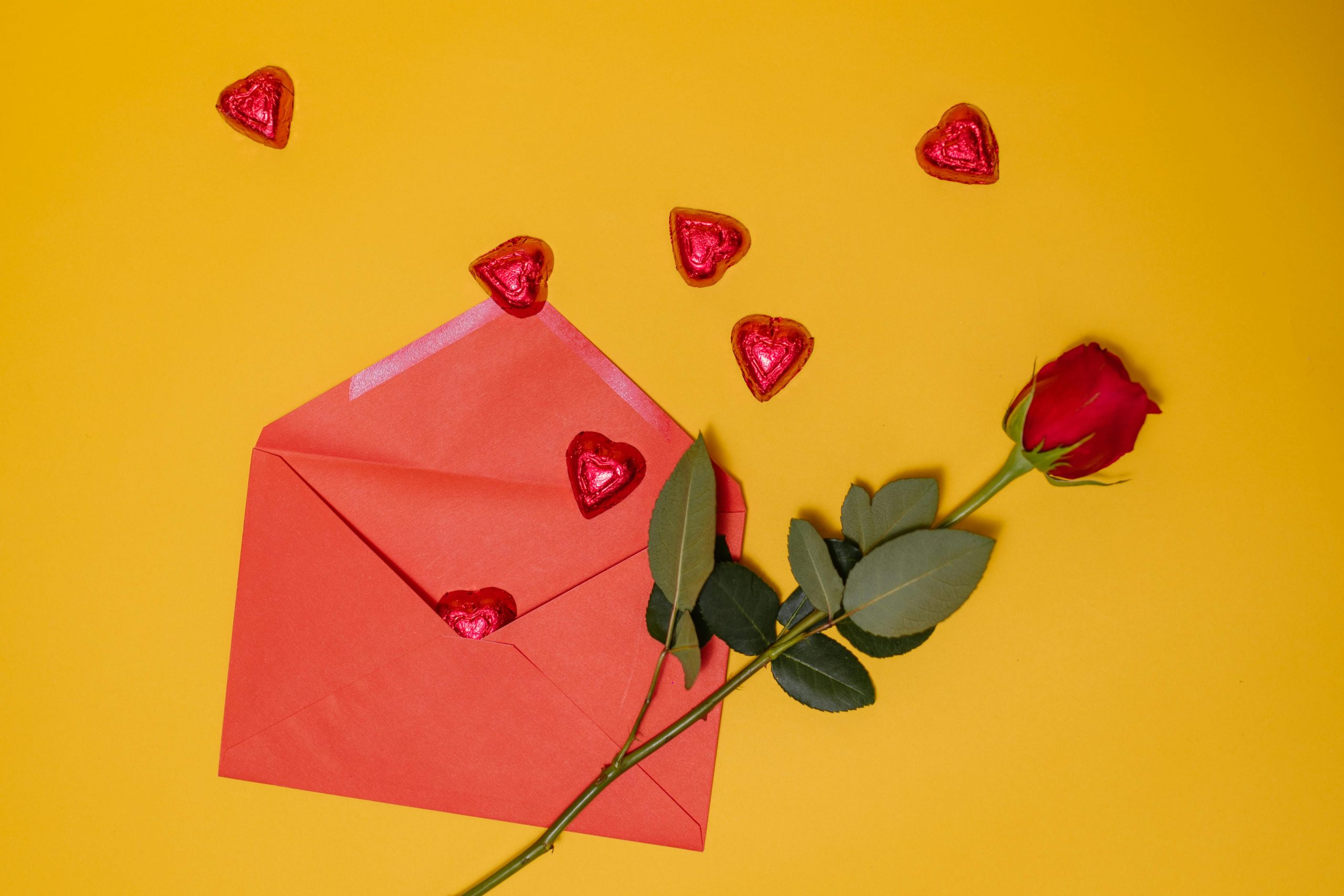
Today, whether it’s a handcrafted selection from a local chocolatier or a nostalgic box chosen from a supermarket shelf, chocolate remains the ultimate edible love letter. It carries centuries of history, a touch of indulgence and just enough sweetness to say what words sometimes can’t.
And that is why, year after year, love still tastes like chocolate.
ALSO SEE: VALENTINE’S DAY GIFT IDEAS THAT WORK FOR ANYONE