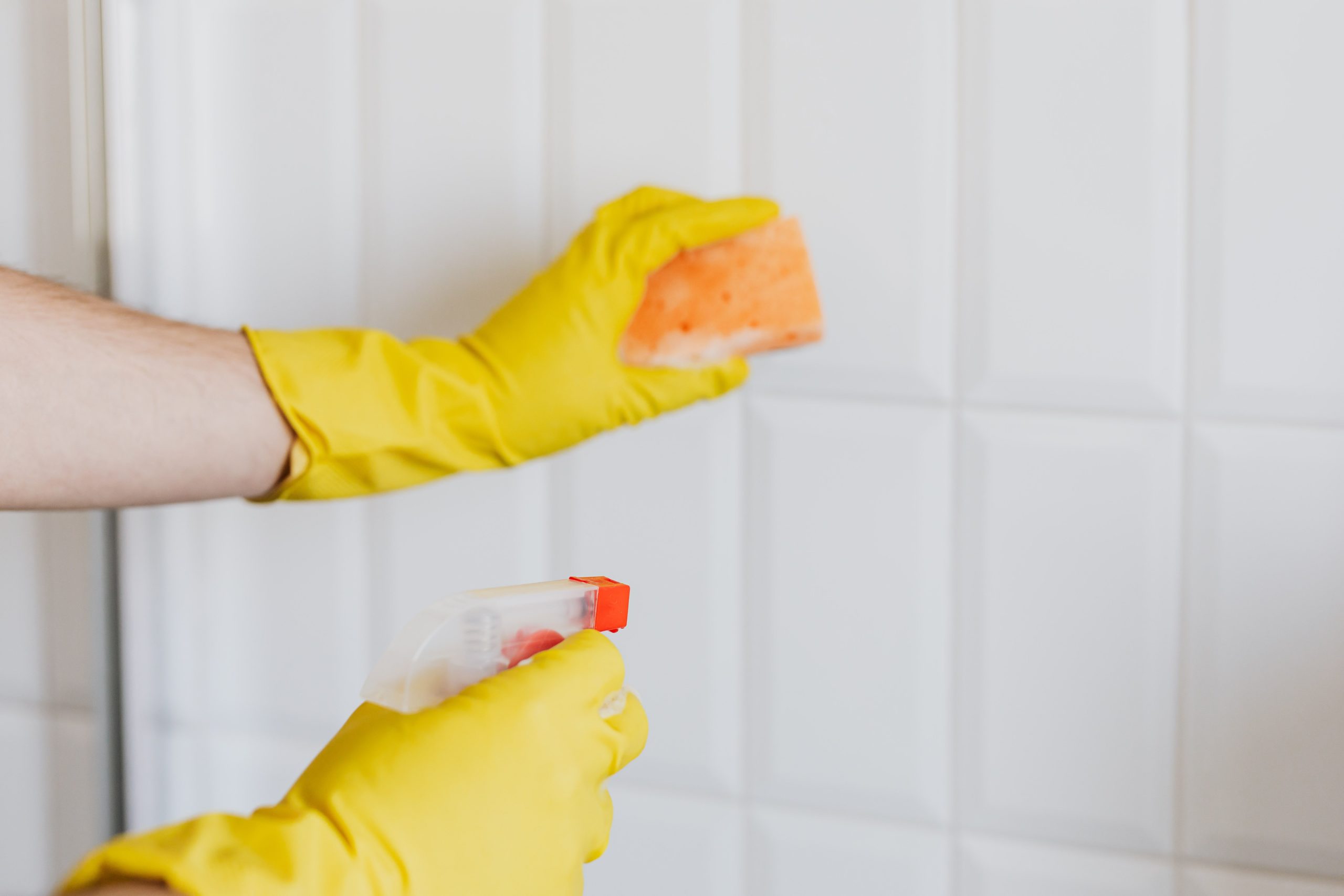
When it comes to cleaning tasks, especially in the bathroom, you need to know a few things to keep your space hygienic and as allergy-free as possible (with the exception, of course, of your pets). One of the most important bits of knowledge to keep in your back pocket is which cleaning materials and tools work best for cleaning specific areas and appliances. The second-most important bit of knowledge you need to keep in your (other) back pocket is the difference between mould and mildew.
While one can become very serious (in fact, very harmful when not dealt with), the other gives you an idea of the state of the area it grows in. We’ve collected the most important bits of information you need in your repertoire before you start cleaning.
Read our guide on mould vs mildew, find out what the difference is, and how to get rid of them ASAP.
Mould vs mildew: What’s the difference
While both mould and mildew are types of fungi, they affect us in different ways. Not to mention how they should be treated.
Mould
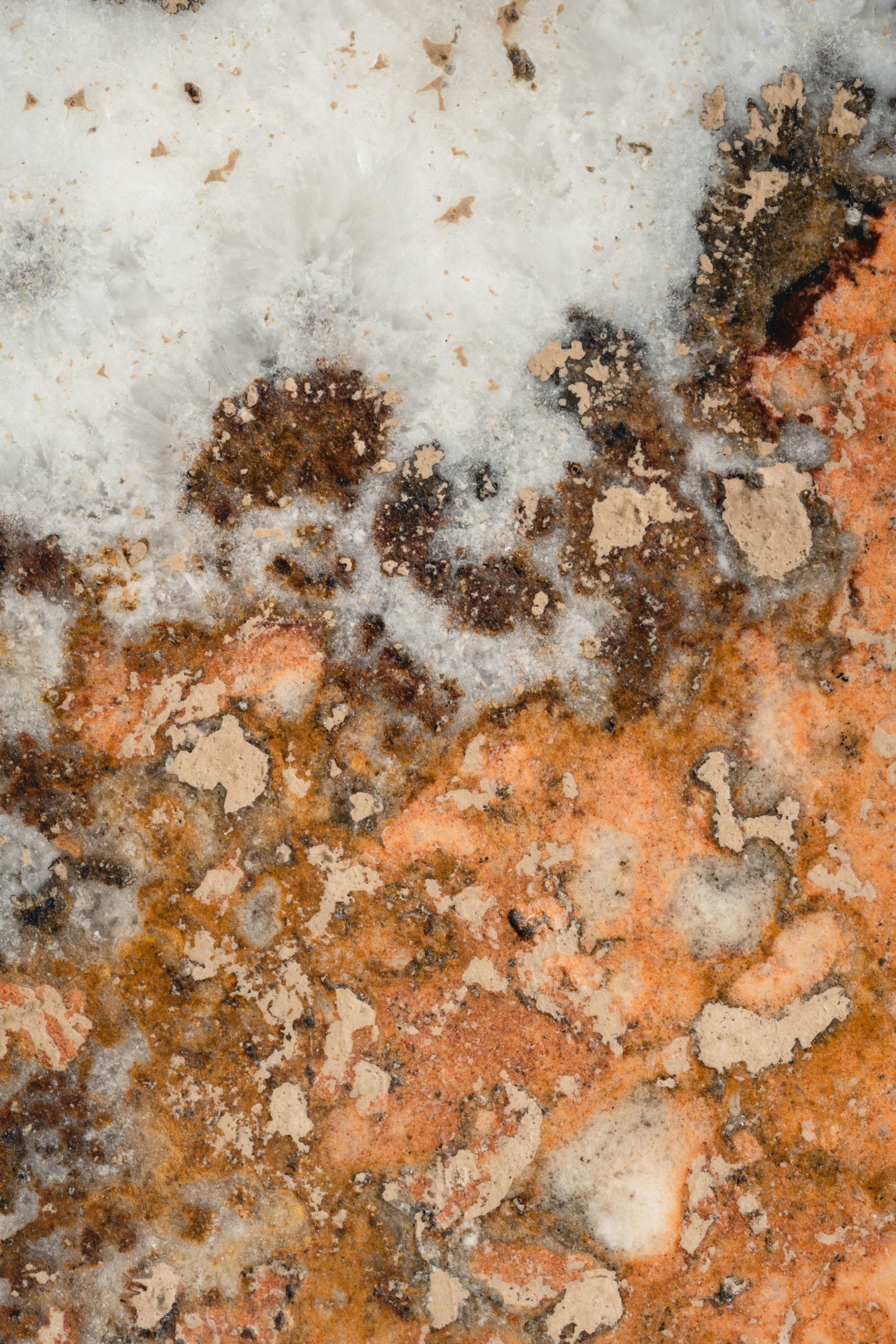
Mould is a type of fungus that comes in different colours and distinct smells. The ones that creep and stake ownership in and around your bathroom, kitchen, or other humid space in your house are usually dark in colour, look fuzzy and are raised, and have a distinct musty smell.
If left untreated, these fuzzy spots will keep growing and reproducing, sending out spores in the air in hopes they travel to neighbouring areas (like from the shower curtain to the ceiling or onto tile grout). Not only does this mean mould is trickier to get rid of, but it also means that you and your housemates are potentially inhaling mould spores.
Inhaling these spores can lead to allergies (like chronic sinus, allergic reactions and asthma) or serious lung disease. Mould spores aren’t only replications of their fungus ‘parents’, but they also contain potentially harmful toxins and strains like stachybotrys chartrum. Mould must be dealt with as soon as it’s spotted, with the proper personal protective equipment – simply airing out the shower curtain or keeping the bathroom window won’t do the trick. Mould doesn’t just grow on surfaces – where allowed (i.e. porous surfaces like fabric and wood or sealant), it will grow in and around surfaces – making it tougher to deal with compared to mildew.
Armed with rubber gloves, protective eye wear, a mask and a heavy-duty commercial mould cleaner, you will be able to deal with mild to medium mould infestations. However, severe cases or black mould need a professional’s touch. If the raised and fuzzy spots in your home are very black and smell very musty, then it’s time to seal off the area and call a professional mould expert. Disturbing this mass may lead to more harm than good.
Mildew
While also a type of fungus, mildew is technically a type of mould. The difference here is that it doesn’t grow into surfaces and cannot develop into toxic black mould. Mildew still damages the surfaces it grows on, so it needs to be taken care of immediately.
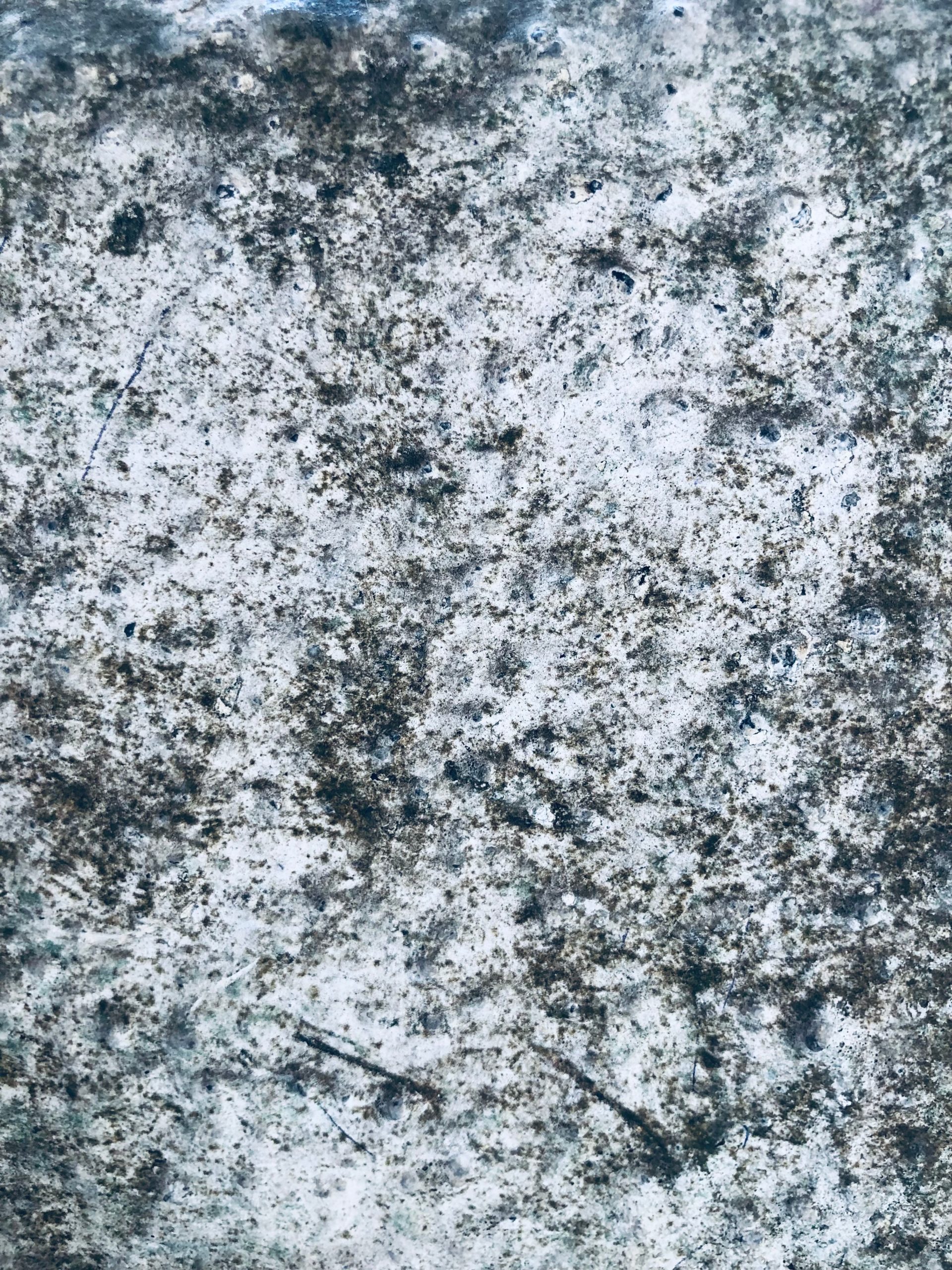
While both mould and mildew thrive in damp conditions with little to no ventilation, mildew is either white or grey (turning dark grey/black as it ages), has a powdery appearance and a distinct, foul odour (not musty). It commonly grows along grout lines, sealant lines, on the shower curtain and on ceilings above showers, baths and other areas that are damp.
While mould may be harmful to your sinuses and lungs, mildew isn’t as toxic. It can, however, cause allergies and irritate your airway.
How to deal with mould vs mildew
Mould needs specific chemical cleaners made for cleaning it, or, as discussed above, a professional clean. To read more about how you can tackle a mild mould infestation, read our cleaning guide here.
Mildew, on the other hand, can easily be cleaned with either natural or commercial cleaners. Natural cleaners include combinations of dish soap and bicarbonate of soda, or dish soap and white vinegar, or a combination of all three. Read our cleaning guide on how to remove mould and mildew from your kitchen sink and discover our natural cleaner combination and specific cleaning steps.
The best way to deal with mould and mildew is to prevent it from growing and spreading. The best tips to keep in mind are:
- Keeping damp or humid areas, like the kitchen and bathroom, ventilated
- Dry damp or humid areas regularly
- Keep up with regular weekly cleans
- Keep up with regular maintenance, i.e. fixing leaks and replacing sealants/grouting/culking when they’ve grown old
Also See: Your toilet brush needs its own cleaning schedule: Here’s why
Your toilet brush needs its own cleaning schedule: Here’s why