There are few things more frustrating than getting halfway through a recipe only to realise you’re out of breadcrumbs.
You’ve already chopped the onions, seasoned the mince and preheated the oven. The last thing you want to do is dash to the shops for one ingredient. Luckily, you probably already have everything you need to make your own breadcrumbs at home. It’s one of the easiest kitchen staples to DIY, and it’s a great way to give stale bread a second life instead of throwing it away.
What are breadcrumbs used for?
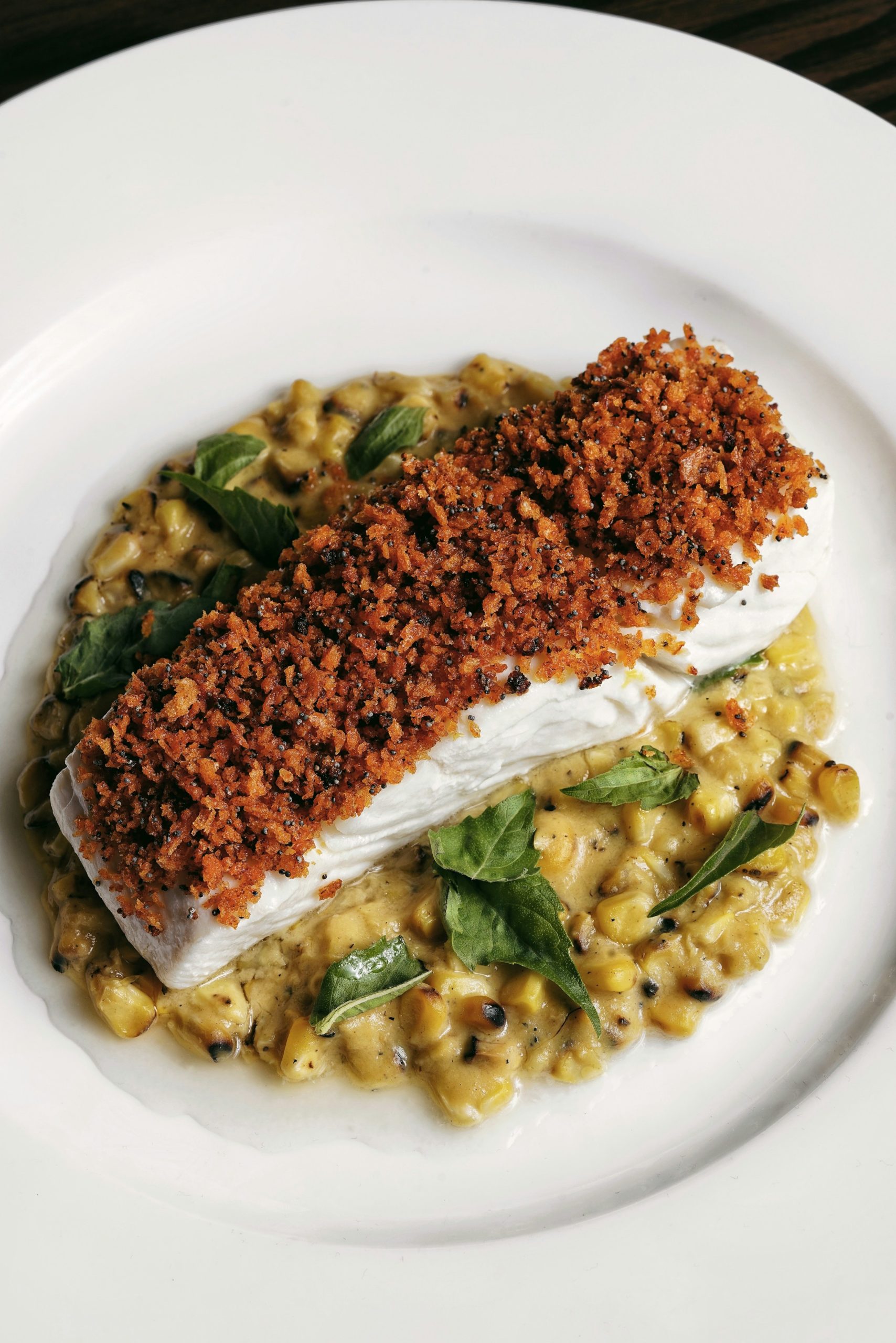
Breadcrumbs do much more than coat chicken schnitzels. They’re used to bind meatballs, burgers and meatloaf, add crunch to baked dishes, top macaroni cheese, bulk up stuffing, thicken mixtures and create crispy coatings for vegetables, seafood and cheese. Some recipes also call for them to absorb excess moisture, helping ingredients hold together better during cooking.
Whether a recipe calls for fresh or dried breadcrumbs, making them yourself takes just a few minutes.
Fresh breadcrumbs
Fresh breadcrumbs are exactly what they sound like: soft, fluffy crumbs made from fresh bread. They’re ideal for meatballs, fish cakes, stuffing and recipes where you don’t necessarily want a crunchy texture.
To make them:
- Tear or roughly chop slices of bread into pieces.
- Place them in a food processor.
- Pulse until you have fine, even crumbs.
No food processor? A box grater works surprisingly well with slightly stale bread, or you can simply crumble the bread by hand. Fresh breadcrumbs can be kept in an airtight container in the fridge for up to a week or frozen for around three months.
Dried breadcrumbs
If your recipe needs crisp breadcrumbs for coating or topping casseroles, dried breadcrumbs are the better option.
Here’s how:
- Heat your oven to 150°C.
- Tear bread into pieces and spread them on a baking tray.
- Bake for 10 to 20 minutes until completely dry but not browned.
- Allow the bread to cool.
- Blend into fine crumbs using a food processor or crush them with a rolling pin.
Store dried breadcrumbs in an airtight container in a cool, dry cupboard for up to a month, or freeze them for longer storage.
Which bread works best?
Almost any bread can become breadcrumbs. White bread creates light, neutral crumbs, while brown or wholewheat bread adds a slightly nuttier flavour. Sourdough produces heartier crumbs with plenty of texture, and leftover rolls, baguettes or even sandwich loaf ends all work just as well. One bread to avoid is very sweet bread, such as brioche or raisin loaf, unless you’re making a dessert recipe.
No bread at all? Try these substitutes
If your bread bin is empty too, don’t panic. Depending on the recipe, one of these pantry staples may work instead:
- Crushed crackers
- Crushed cornflakes
- Rolled oats (particularly for meatballs or burgers)
- Crushed pretzels
- Panko, if you happen to have some
- Crushed savoury biscuits
- Finely crushed cereal such as Rice Krispies for extra crunch
Keep in mind that each substitute brings its own flavour and texture, so the finished dish may taste slightly different.
Add extra flavour
Plain breadcrumbs are wonderfully versatile, but they’re also easy to customise. Mix in dried herbs such as oregano, thyme or parsley, along with garlic powder, onion powder, paprika, grated Parmesan or a pinch of chilli flakes for extra flavour. Homemade seasoned breadcrumbs are especially good for crumbed chicken, baked vegetables or crispy mushrooms.
A simple way to cut down on food waste
Rather than throwing away bread that’s gone a little stale, turn it into breadcrumbs before it’s past its best. Many home cooks keep a freezer bag specifically for leftover bread ends. Once it’s full, simply blend everything together to make a fresh batch of breadcrumbs. It’s a small habit that reduces food waste, saves money and means you’re far less likely to get caught without this handy kitchen staple again.
ALSO SEE: How to put your sourdough discard to good use (think brownies, pizza, and more!)
How to put your sourdough discard to good use (think brownies, pizza, and more!)
Feature image: Unsplash