Easter arrives with a certain sweetness. It’s in the air, in the long weekend lunches… and very definitely in the chocolate aisle.
But beyond the foil-wrapped bunnies and pastel eggs lies a story that’s older, richer and a little more unexpected than you’d think.
Let’s unwrap it:
It all started with an egg (long before chocolate)
Before chocolate stole the spotlight, eggs were the original Easter treat. Across ancient cultures – from the Persians to the Romans – eggs symbolised new life, fertility and fresh beginnings. Think of them as nature’s way of saying: spring has sprung.
When Christianity came along, Easter became a celebration of resurrection and renewal. The egg slipped easily into this narrative – still representing new life, but now with deeper spiritual meaning.
There was also a practical reason. During Lent, a 40-day period of fasting, foods like eggs, milk and butter were off the menu. So what did people do? They saved them. By Easter Sunday, there was a surplus – and suddenly, eggs became both a celebration and a snack.
Read more: 10 egg-citing Easter egg hunt ideas for the whole family
From humble egg to chocolate showstopper
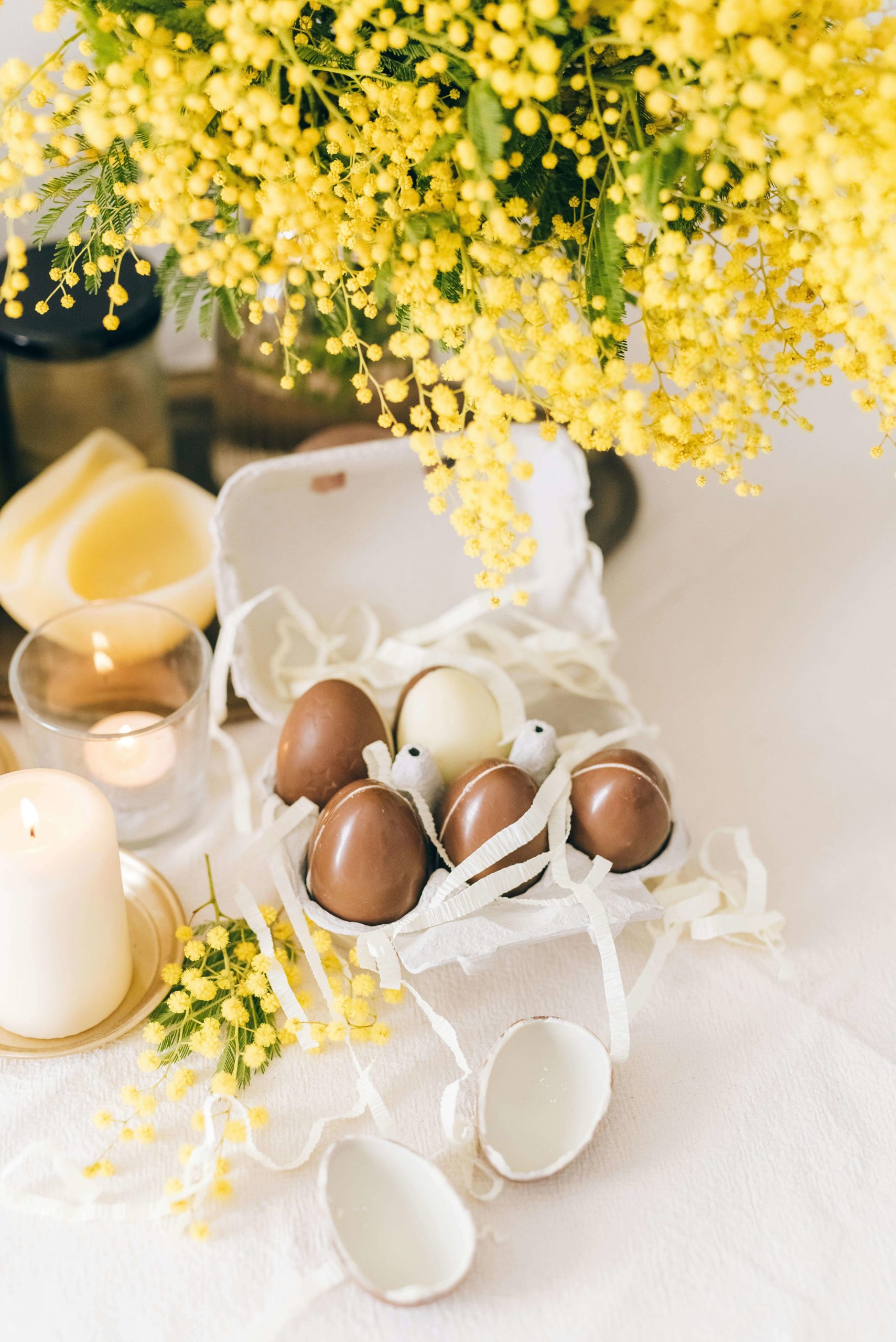
Fast forward to 18th-century Europe, where someone had the genius idea to empty eggshells and fill them with chocolate. It didn’t take long for things to escalate (as they should when chocolate is involved).
By the 19th century, improved chocolate-making techniques and moulds meant entire eggs could be crafted from cocoa. Smooth, glossy, and far more indulgent than their boiled predecessors – the chocolate egg was born.
And honestly, it never looked back.
But what about the bunny?
Ah, the Easter Bunny – equal parts adorable and slightly mysterious.
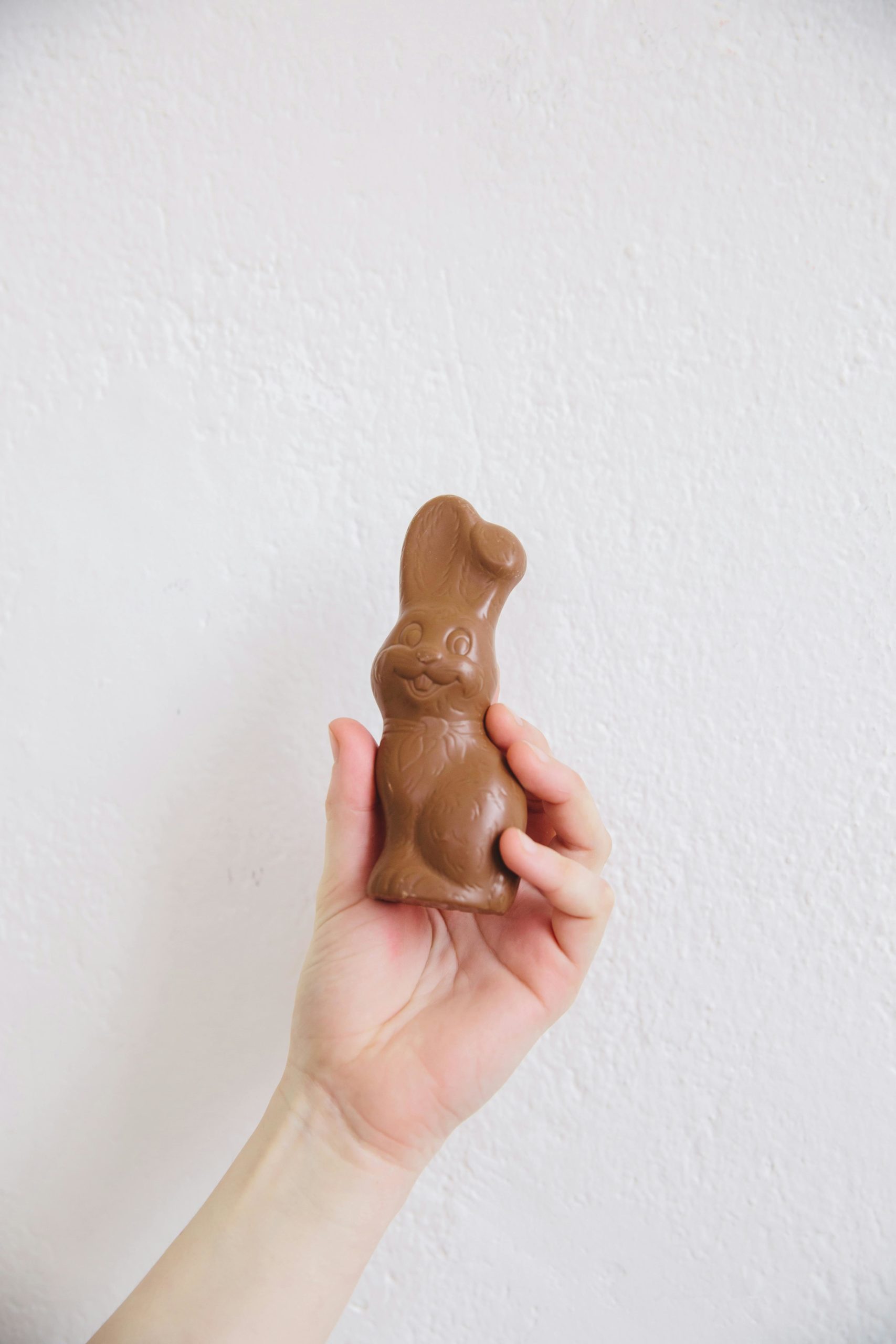
This fluffy figure hops in from German folklore, where it was linked to spring and fertility. Rabbits, as you may know, are rather enthusiastic when it comes to reproduction, so they became a natural symbol of abundance and new life. Over time, the bunny became the unofficial courier of Easter treats – delivering eggs, sweets and,
eventually, those hollow chocolate delights we know and love.
And the bells? (Yes, really)
In some European traditions, church bells fall silent from Good Friday to Easter Sunday as a mark of mourning. To explain the sudden quiet to curious children, stories emerged: the bells had “flown to Rome” and would return with treats.
On their way back? They’d scatter eggs across gardens. Cue the Easter egg hunt.
Whimsical, a little dramatic – and surprisingly effective.
So… why chocolate?
If Easter is about renewal and celebration, chocolate is simply the delicious grand finale.
After weeks of restraint during Lent, richer foods made their return – and chocolate, with its indulgent, melt-in-your-mouth appeal, quickly became the star. Add to that the artistry of moulded eggs and playful shapes, and you’ve got a tradition that feels both nostalgic and joyfully modern.
Today, whether you celebrate Easter for religious reasons or simply for the love of a long weekend and something sweet, chocolate has become its universal language. Because if there’s ever a time to indulge, it’s now.
Easter chocolate isn’t just about sugar highs and shiny wrappers (though we’re not complaining). It’s a blend of history, symbolism and a touch of storytelling magic – all wrapped up in cocoa. And honestly? That makes every bite taste just a little bit better.
ALSO SEE: HOSTING FOR EASTER? TRY THESE TABLESCAPE IDEAS
Hosting for Easter? Try these table scape ideas and blow your guests away