
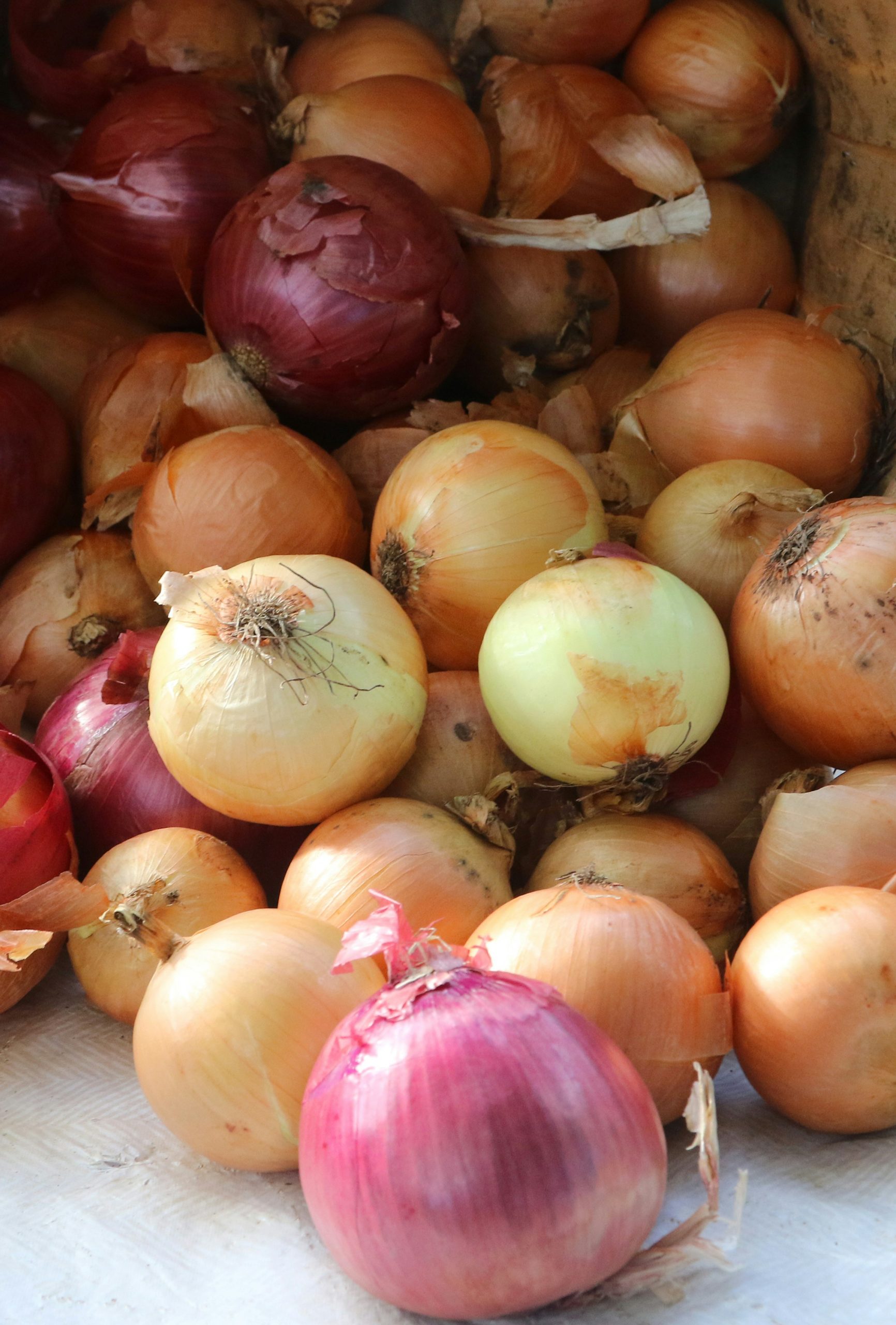
Meet the onion that changes the mood in your kitchen – softer, sweeter, and far less dramatic.
Dulce sweet onions are the easygoing cousin of the allium world: no tears, no bite, just a mellow flavour that quietly elevates everything it touches. If you’ve ever wished onions were a little less… intense, this is your sign.
So, what exactly are dulce sweet onions?
At a glance, they look like any other onion. But slice into one and you’ll notice the difference immediately. Dulce sweet onions have a lower sulphur content, which means they skip the sharpness and let their natural sugars shine.
The result? A crisp, juicy onion with a gentle sweetness that works just as well raw as it does cooked. Think of them as the kind of ingredient that doesn’t fight for attention – it simply makes everything taste better.
A short, sweet season
Part of their charm lies in their timing. In South Africa, dulce sweet onions are typically harvested between December and March. It’s a fleeting window, but that’s what makes them worth seeking out.
Buy them in season and you’ll get the best of their texture and flavour – fresh, firm, and naturally sweet.
Read more: Understanding the differences between white, yellow and red onions + their best uses
Why chefs (and home cooks) love them
Dulce sweet onions are incredibly versatile, which is another way of saying: you’ll find an excuse to use them in almost everything.
- Raw and radiant: Thinly sliced into salads, layered into sandwiches, or tossed through salsas. They add crunch without overpowering.
- Soft and subtle: Gently sautéed, they turn translucent and silky – the perfect base for pastas, omelettes, and quick pan sauces.
- Golden and glossy: Slow-cooked, they caramelise into something rich and jammy. Ideal for burgers, pizzas, or a cheeseboard moment.
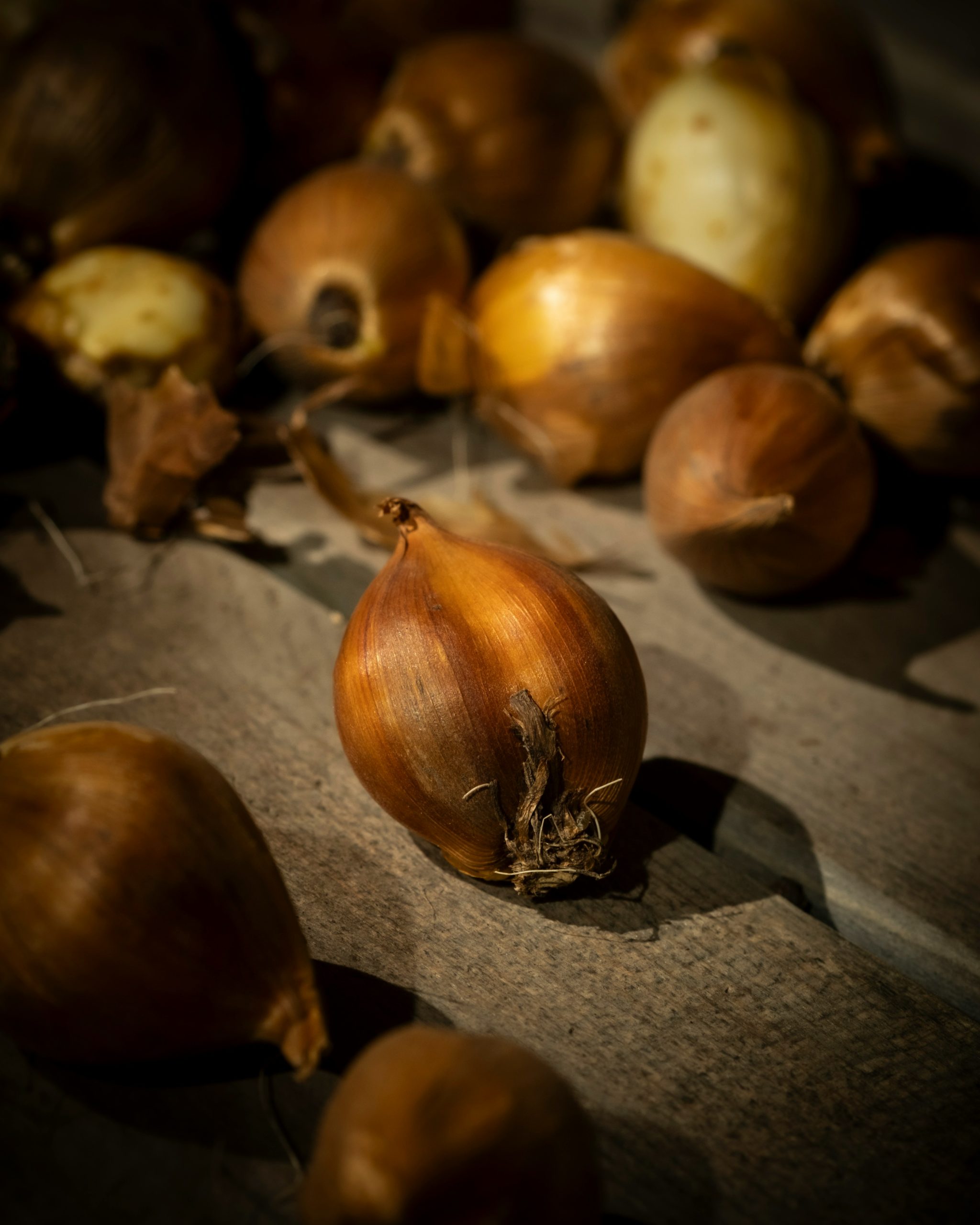
Sweet onions vs shallots – what’s the difference?
It’s easy to confuse the two, but they bring very different personalities to the table.
- Sweet onions are all about that mild, sugary flavour and juicy bite. They’re larger, rounder, and shine in both raw and cooked dishes.
- Shallots, on the other hand, are smaller and more delicate, with a flavour that sits somewhere between onion and garlic. They’re best when cooked, melting into sauces and dressings with a subtle depth.
If sweet onions are your everyday hero, shallots are your quiet background note.
A little nutritional bonus
Beyond flavour, dulce sweet onions are refreshingly light. They’re mostly water, naturally low in calories, and contain a mix of fibre, vitamin C and essential minerals. In other words, they bring more than just taste to the table.
How to store them (and keep the magic alive)
To make the most of your haul:
- Keep whole onions in a cool, dry, dark space
- Once peeled or cut, store them in the fridge in an airtight container
- Use sliced onions within a few days for the best flavour and texture
- If they start to sprout, soften, or develop an off smell, it’s time to let them go.
Dulce sweet onions are proof that small tweaks in flavour can completely transform the way you cook. They’re softer, sweeter, and far more versatile than you’d expect – the kind of ingredient that slips effortlessly into both summer salads and slow-cooked comfort dishes.
ALSO SEE: HOW TO PROPERLY STORE ONIONS TO EXTEND THEIR SHELF LIFE
