
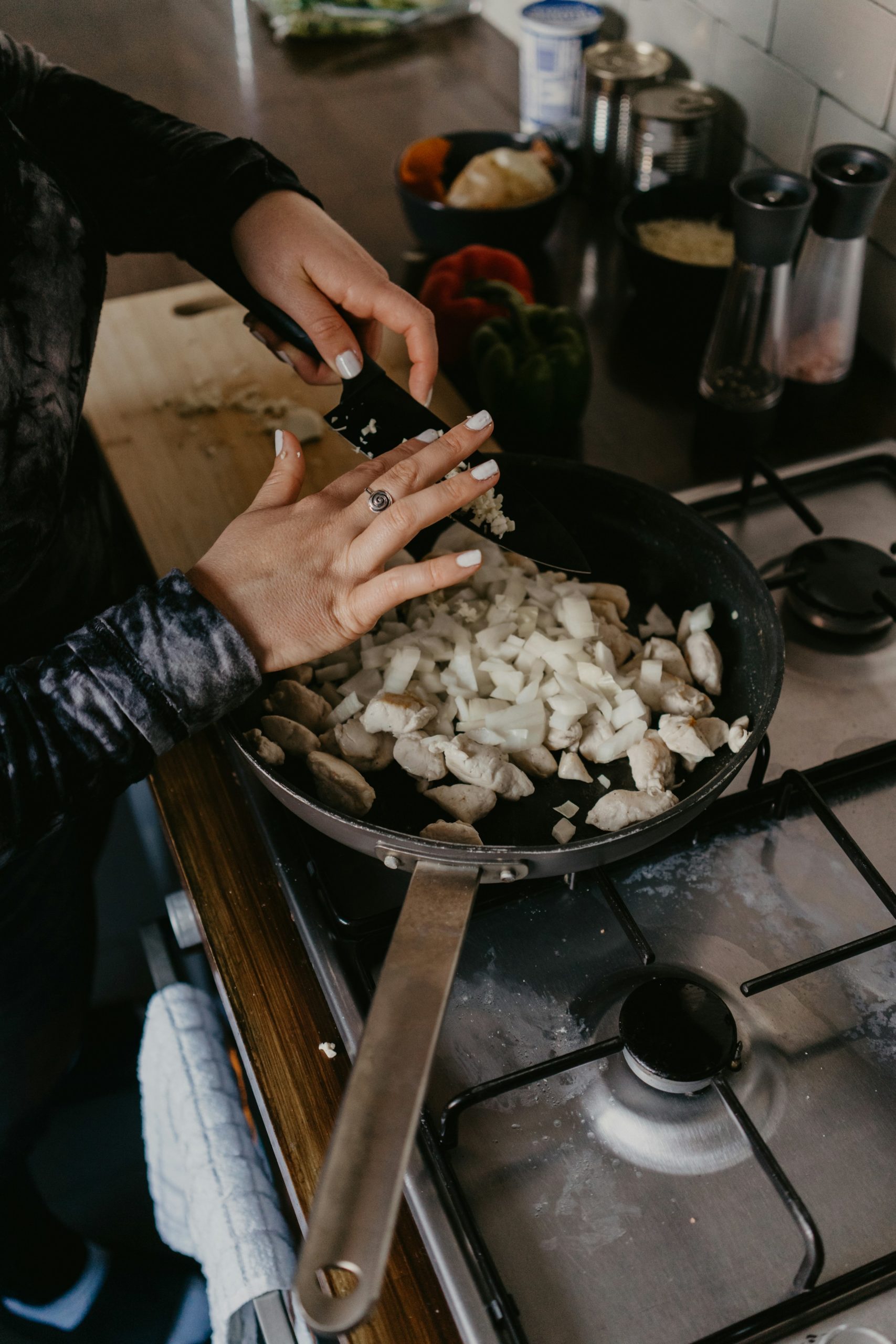
Getting the timing right can make all the difference when cooking. Add garlic too early and it can burn, throw your spices into the pot at the wrong moment and you might miss out on their flavour, or rush your onions and lose the sweetness that makes a good sauce so delicious.
The secret to building flavour isn’t necessarily adding more ingredients. It’s knowing when to add them. Here’s how to get the best out of three kitchen staples: garlic, onions and spices.
1. Start with the onions
Onions are usually the first ingredient to go into the pan when building a flavour base. Add them to warm oil or butter over medium heat and give them time to soften, stirring occasionally.
For a mild, savoury base, cook until translucent. If you’re after a deeper, sweeter flavour for soups, stews or sauces, let them cook for longer until golden and lightly caramelised. This brings out their natural sweetness, although proper caramelisation takes patience.
Tip: Don’t rush the onions. A few extra minutes in the pan can make a noticeable difference to the finished dish.
2. Add garlic once the onions have softened
Garlic cooks much faster than onions, which is why adding both at exactly the same time isn’t always the best idea. Finely chopped or crushed garlic can burn quickly, particularly in a hot pan, and burnt garlic has a bitter taste.
Wait until the onions have softened before adding the garlic. Stir for about 30 seconds to a minute, just until fragrant, before adding the next ingredients.
If your recipe starts with garlic alone, use a lower heat and keep it moving. The aim is to release its aroma, not brown it until it becomes bitter.
3. Know when to add your spices
Spices need a little attention too, and adding them at the right stage helps bring out their flavour.
One useful technique is called blooming. This involves briefly cooking spices in oil or another cooking fat to release their aromatic compounds and distribute their flavour throughout the dish.
Here’s a simple guide:
-
Whole spices: Cumin seeds, mustard seeds, coriander seeds and cinnamon sticks can be added to warm oil near the beginning of cooking. They need a little longer to release their flavour.
-
Ground spices: Add paprika, turmeric, ground cumin and coriander after the onions have softened. Stir for around 30 seconds, keeping an eye on the heat so they don’t burn.
-
Delicate spices: Garam masala is often best added towards the end of cooking, particularly if you want its fragrance to stand out.
If you’re making a curry, for example, adding ground spices after the onions and garlic have cooked will help create a flavourful base before the tomatoes, stock or other liquids go in.
4. Don’t forget the finishing touches
Not every flavour needs to spend the entire cooking time in the pot. Some ingredients are best added towards the end, when their aromas are still fresh.
Fresh herbs such as coriander, parsley and basil are generally better added shortly before serving. A little freshly ground black pepper, a squeeze of lemon juice or a final sprinkle of garam masala can also brighten a dish.
Taste as you cook and adjust the seasoning along the way. Flavour develops throughout the cooking process, so what tastes right at the beginning might need a little tweaking before serving.
The golden rule: Don’t let your aromatics burn
There isn’t one universal order for every recipe. Some dishes start with whole spices in hot oil, while others begin with onions. The important thing is understanding how quickly each ingredient cooks.
Give onions time to soften, add garlic when there’s less risk of burning it, and briefly cook your spices in fat to release their flavour. It’s a small adjustment to your cooking routine that can make everyday meals taste considerably better.
ALSO SEE: The world’s most expensive spice is under threat, and here’s why
The world’s most expensive spice is under threat, and here’s why
