
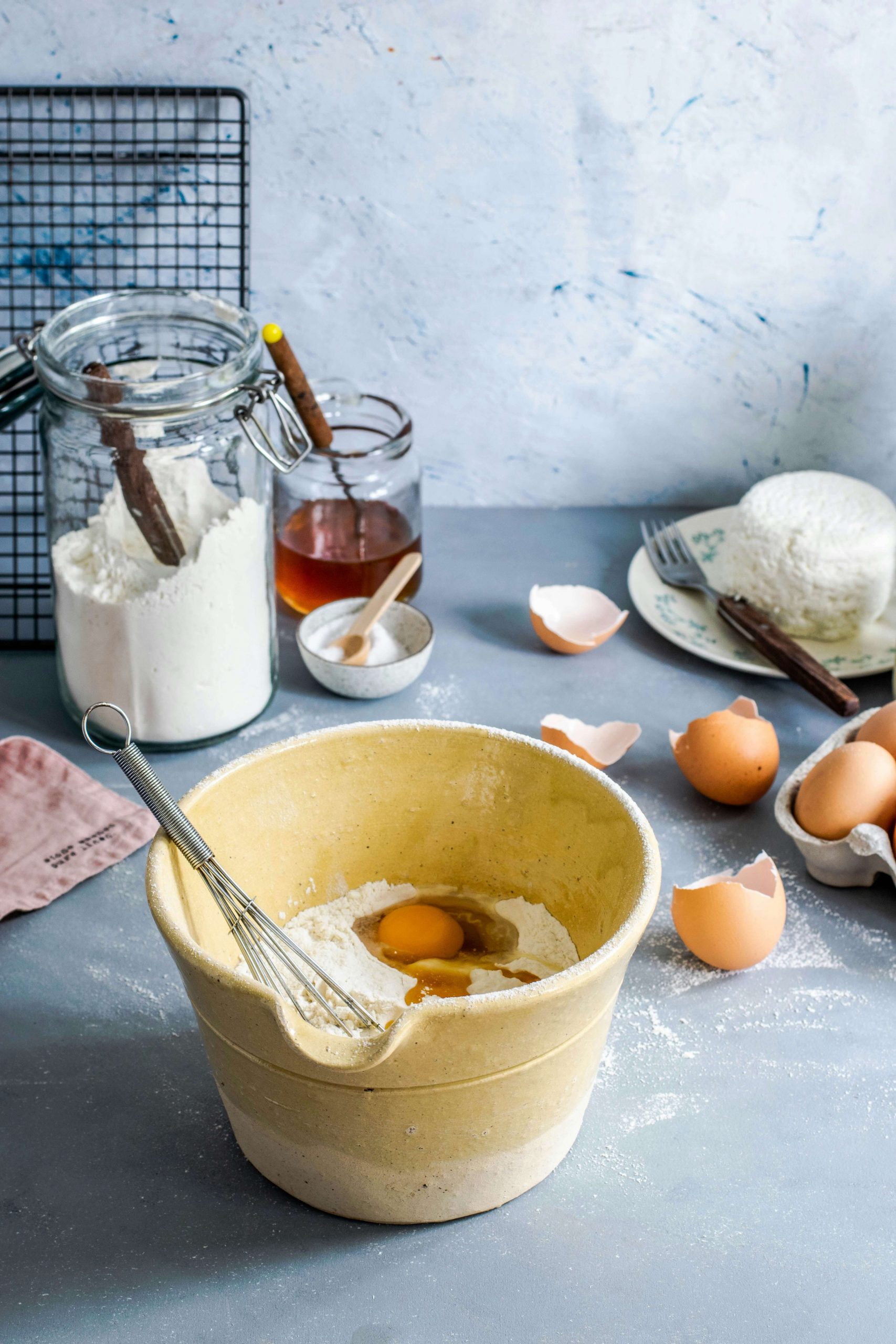
The holiday season has a way of nudging us back into the kitchen. Whether you’re baking for a cosy family gathering or boxing up treats as gifts, nothing beats the smell of a freshly baked cake drifting through the house. But every home baker knows the truth: even the simplest bakes can surprise you.
One minute you’re whisking with confidence, the next you’re wondering why your cake tastes… eggy.
It happens more often than you think – and yes, it can be fixed. Here’s how to keep your festive bakes tasting as delicious as they look.
Read more: Why did my cake sink? 6 Common baking mistakes and how to fix them
Why cakes sometimes taste eggy
Cold eggs lead to trouble
Many of us store eggs in the fridge, but cold eggs don’t blend well into batter. For a smooth crumb and balanced flavour, allow your eggs to come to room temperature before mixing. It’s a small step that makes a big difference.
Under-whisked eggs
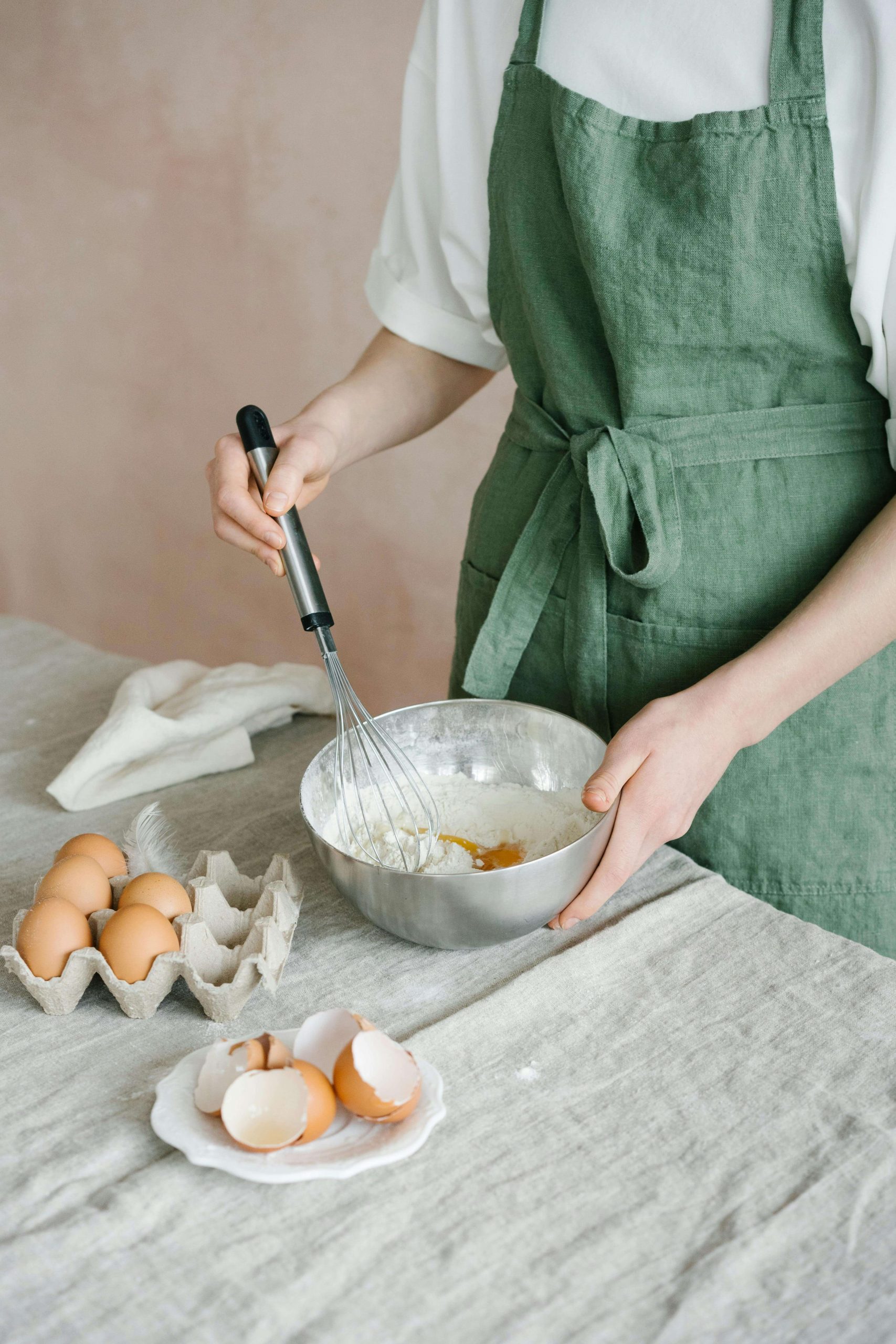
If your eggs go straight from the shell into the bowl, they may not combine fully with the rest of your ingredients. A quick whisk in a separate bowl helps lighten them and prevents that unmistakable eggy note from creeping in.
Not enough flour
Flour helps bind and soften the richness of eggs. When there isn’t enough – especially in bakes that rely heavily on eggs – the flavour becomes more pronounced. Make sure your ratios are right and your batter is properly combined.
Using small eggs
Small eggs have a stronger flavour. Most recipes are written for large eggs, so using smaller ones can throw your flavour off balance. Stick to large for consistent results.
Overbaking
Too much heat for too long draws out sulphur compounds in egg whites – and that’s when the eggy taste sharpens. Keep a close eye on your oven; holiday multitasking makes it easy to lose track of time.
Simple fixes for an already eggy cake
Let’s say the cake is baked, cooled and… not quite what you hoped. Don’t panic – you can still dress it up beautifully.
Add a little festive cover-up
A dusting of icing sugar works wonders and looks pretty. If you prefer something fresher, top the cake with berries. Their tartness offsets the flavour and instantly brightens the look.
Lean into warm aromas
Spices and vanilla are your friends. Before baking, always taste your batter – if something feels off, a splash of vanilla extract, a hint of coffee, or a little citrus zest can bring it back to life. Cinnamon or nutmeg add holiday charm and help balance any lingering egginess.
Handle rising agents with care
Too much baking powder or bicarbonate of soda creates its own drama: soapy flavours, dense texture, and yes – more egginess. As a guide, use no more than
- 1 tsp baking powder per cup of flour, or
- ½ tsp bicarbonate of soda per cup.
If you’re using yoghurt or buttermilk, you may need even less, as the acidity helps lift the batter naturally.
When eggs aren’t your thing
Some people are simply more sensitive to egg flavour. Others prefer to skip eggs entirely. Aquafaba, flaxseed mixtures and applesauce are great substitutes that still deliver tenderness and lift.
Baking during the holidays should feel joyful, not stressful. With these simple tricks, your cakes will taste soft, fragrant and festive – ready to serve with pride or wrap up for someone you love. Here’s to sweet moments, warm kitchens and bakes that never disappoint.
ALSO SEE: HOW LONG DOES CAKE LAST? HERE’S HOW TO STORE EVERY KIND
