
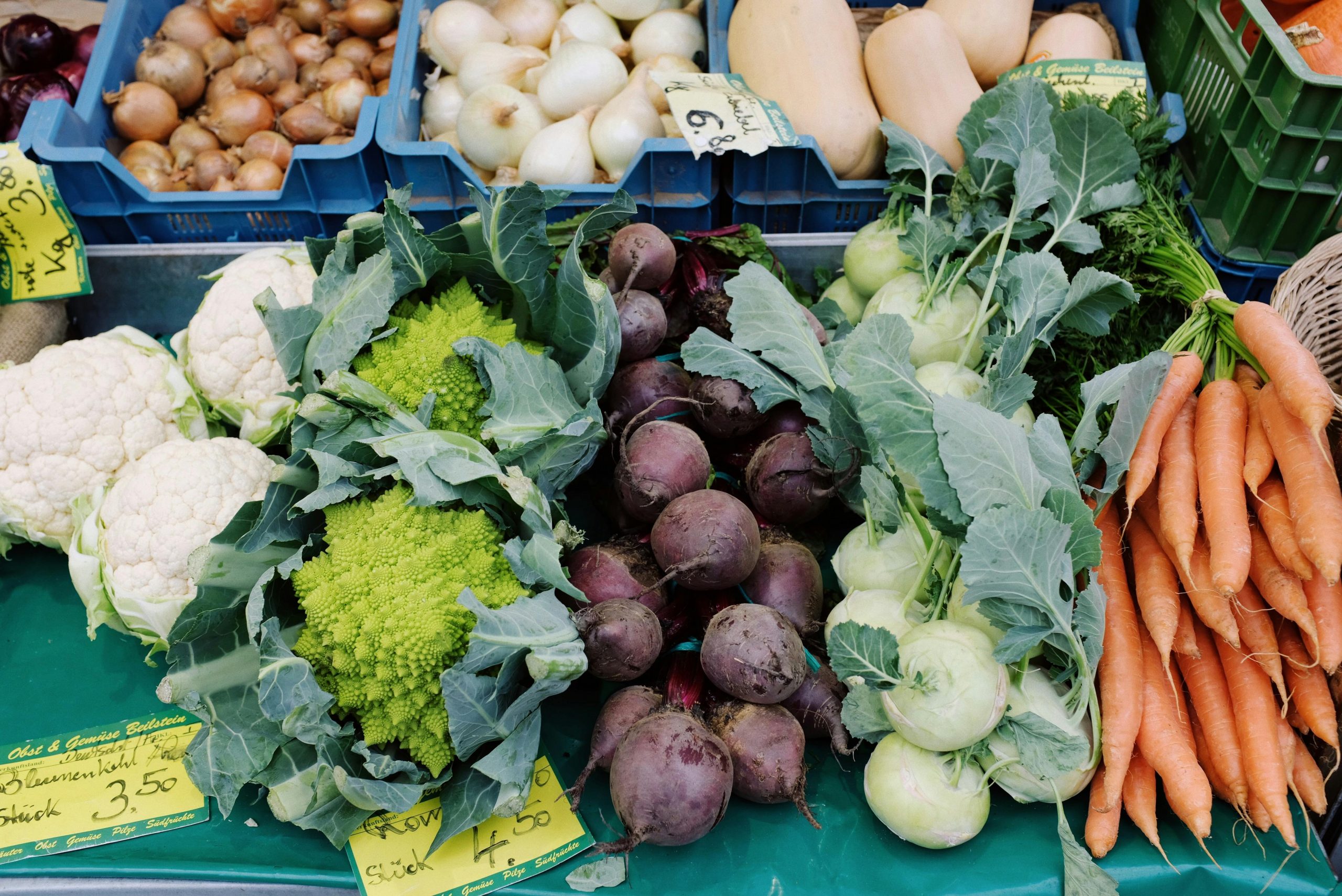
Vegetables play a crucial role in our lives – from nourishing our bodies with essential nutrients to maintaining a healthy gut microbiome – but are seldom prepared and cooked in a delicious way. Yeah, we’re talking mushy broccoli, squeaky green beans, and grey cauliflower. We’ve all had a sad plate of veggies. But the good news is that this doesn’t need to be repeated.
We’ve cracked the code on how to make the humble veggie taste amazing with these 5 tips:
Keep it simple
No vegetable recipe needs to be overcomplicated. Vegetables are already jam-packed with flavour; all we need to do is use the right cooking technique to harness them. Of course, many aromatics, herbs and spices pair extremely well with veggies and help enhance the overall flavour of the dish, but it’s really all personal preference.
1. Leafy greens
Leafy greens, like bok choi, kale, Chinese cabbage, and spinach, are delicate. Their thin, crinkly leaves don’t need hours of boiling or excessive amounts of heat. Instead, keep the cooking technique short and simple. Sautée leafy greens in a frying pan with a little olive oil, salt and pepper for a few minutes, or until they darken and wilt. The natural levels of water in the leaves will automatically steam them as they’re being sautéed.
Or, if you’d prefer to create something with a bit more punch and interest, roast them on the braai. The heat from the open flames will get them steaming, but also start to caramelise their natural sugars. After a few minutes and a few turns, roasted leafy veggies will have the perfect softness on the inside, accompanied by a smoky, sweet crunch on the outside.
Flavours leafy greens love: garlic, ginger, soy sauce, fish sauce, olive oil, lemon juice, sherry vinegar, créme fraîche, toasted pine nuts, cashews, almonds.
2. Root vegetables
Carrots, radishes, beets, turnips, parsnips, and their tuber cousins, potatoes, need either high heat or a zingy pickle to bring out their true flavours. These veggies have this wonderful, earthy, sweet flavour that needs just that bit of heat to enhance them.
Boiling these are common practice, but many people stop there. Instead, sautée them in a dash of olive oil or butter, and a splash of something acidic (like lemon juice or vinegar), to caramelise their natural sugars and bring a crispy texture to the mix.
Roasting them plainly is also just marvellous. Whether you wrap them up in foil and chuck them on the braai, or pop them into a roasting tray with loads of woody herbs, roasting is a classic technique that brings the best flavours and textures out of root veg.
If you have the time, try braising root veg. You can braise them in their own juices (i.e. carrots in carrot juice, or beets in beet juice), or a mix of water and stock. The slow simmering and consistent heat will prove worth while in the end.
Flavours root veg love: cumin, coriander, rosemary, thyme, sage, bay leaf, stock, pepper, vinegar, and chilli.
3. Flower vegetables
Flower vegetables are your broccoli, cauliflower, and artichokes. They taste fresh, bright and like spring itself – when cooked correctly. They are delicate in nature, which means they don’t need a lot of heat to bring out their natural sweetness.
Sautée these with a little oil or butter with the lid on at first – this helps trap the natural water that will start steaming them. After a few minutes, take the lid off to evaporate the remaining liquid and fry until a little golden round the edges.
Blanch them – drop in boiling water for less than a minute and shock in an ice bath to preserve their flavour and vibrant colour. Then, once you’re ready to serve, pair them with a luxuriously silky sauce like béchamel, hollandaise, or cheesey béchamel.
Flavours flower veg love: Bay leaf, pepper, garlic, ginger, parsley, vinegar, lemon juice, cumin, coriander, and chilli.
4. Stem & bulb vegetables
Celery, asparagus, leeks, onions, and fennel might seem a little tough and stringy at first, but with some heat and flavourful steams, these stem veggies will be all the rage at your next dinner party.
Boiling them won’t cut it. They need a little sautéeing and braising to become soft and supple, and absolutely to die for. Start by getting a medium-high heat to caramelise their natural flavours in some olive oil or butter, and then deglaze the pan with a good vegetable stock, and maybe a splash of wine. Let this mixture braise on medium-low for a few hours until melt-in-your-mouth tender – they might just steal the show.
Or if you’re feeling fancy, after searing them, add a few knobs of butter and a splash of stock to the pan. Pop in the oven on a medium-low heat and baste them with the butter mix every so often for a rich flavour.
Flavours stem vegetables love: Pepper, parsley, thyme, sage, garlic, ginger, chilli, and vinegar.
5. Fruit & pod vegetables
Tomatoes, bell peppers, baby marrow, peas, beans and corn are all considered fruit and pod veggies. These guys don’t need much to get going, but love zesty and intense flavours.
Blanch them to keep their subtle flavours, stir-fry them to steam slightly while caramelising. Or, roast them to get that gnarly flavour profile to match the steak you’re grilling. Whatever you choose, these veggies are pretty versatile, and love a little boil/steam action paired with short periods of intense heat.
Flavours fruit & pod vegetables love: Garlic, parmesan cheese, cinnamon, five spice, soy sauce, oyster sauce, ginger, pepper, chilli, and citrus.
Also See: Fibermaxxing: Should you be jumping on this 2026 wellness trend?
Fibermaxxing: Should you should be jumping on this 2026 wellness trend?
