
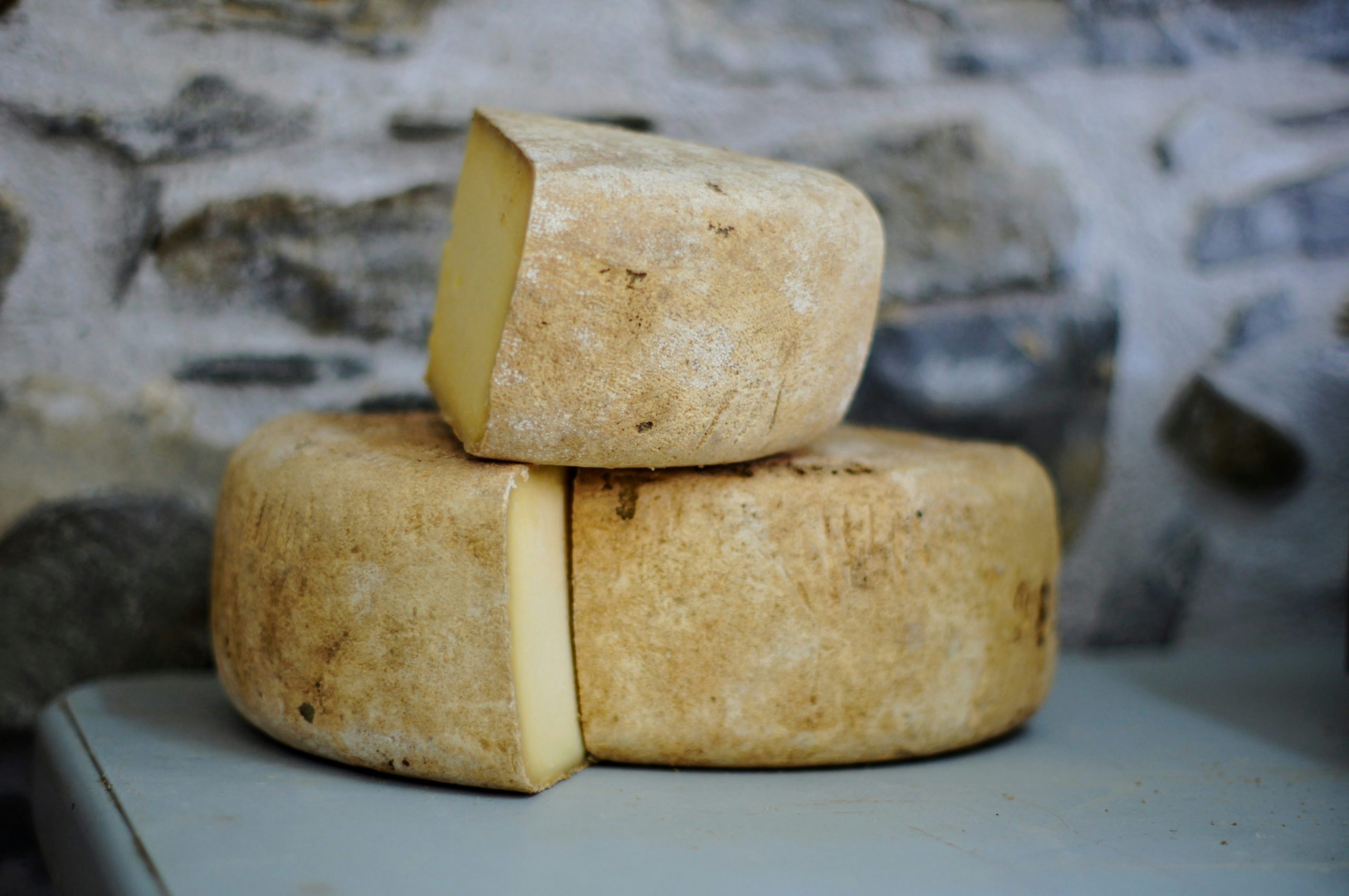
TikTok and Instagram users have jumped onto yet another protein trend, and we’re not sure what to make of it. Proteinmaxxer fans have been touting blocks of Parmesan cheese as “the greatest protein bar money can buy“. Parmesan cheese has become the new ‘It girl’ in the food and wellness world – even though it’s been around for ages. But is eating a wedge of it after a workout really the hack we didn’t know we needed?
Move over protein bars, Parmesan is here
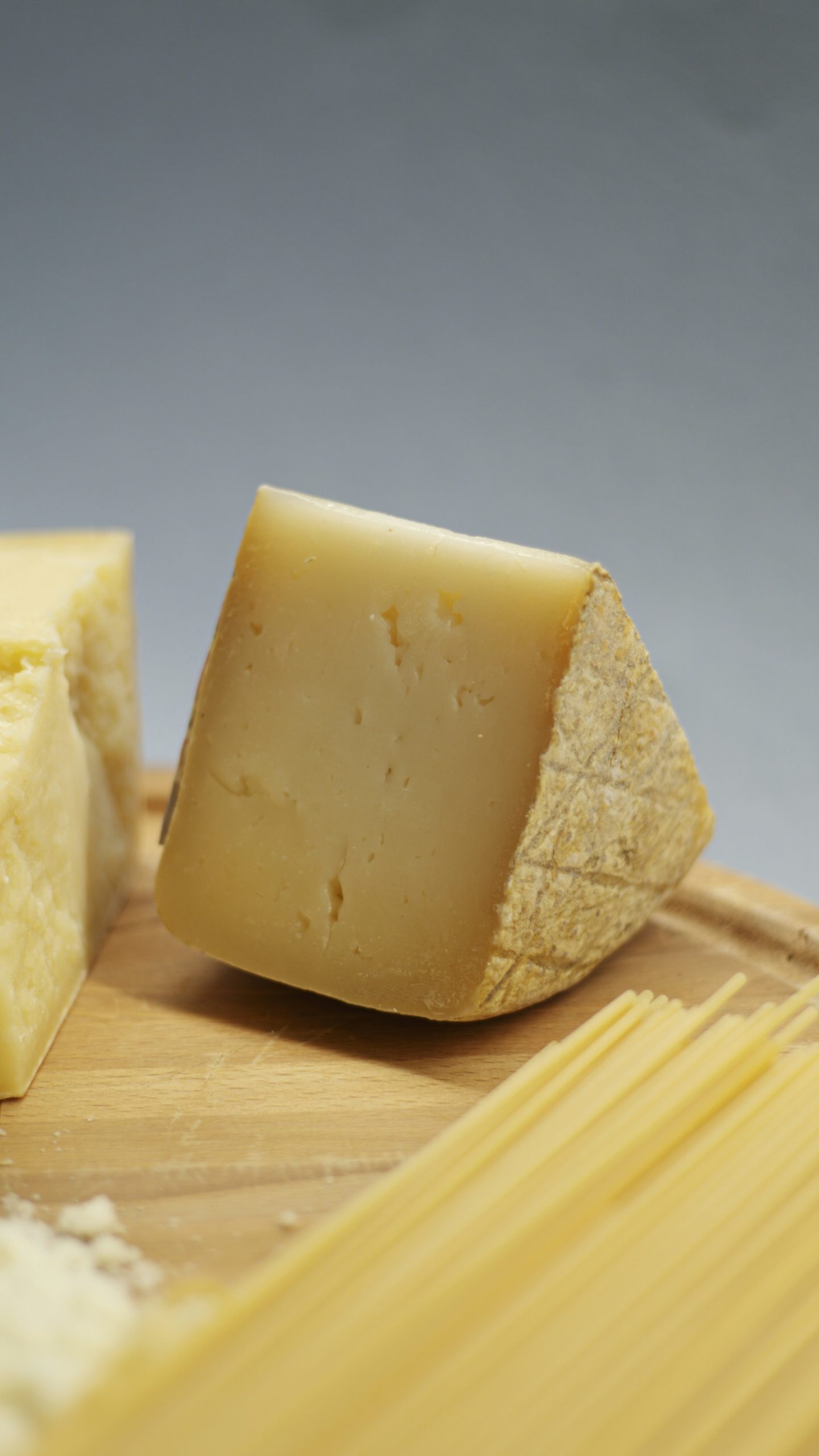
A lot of social media users and fitness fanatics claim Parmesan cheese to be “pure protein”, but it actually contains fats, carbs and sodium, too. 30 grams of Parmesan cheese contains the following nutrients:
- 122 calories
- 11 grams of protein
- 8 grams of fat
- 5 grams of saturated fat
- 1 gram of carbohydrates
- 450 mg of sodium
While the calories and protein amounts are great and in line with those found in protein bars, the fat and sodium amounts may be higher than recommended, noting this is only a concern when a person is consuming more than 30 to 60 grams of protein a day (subsequently replacing protein bars).
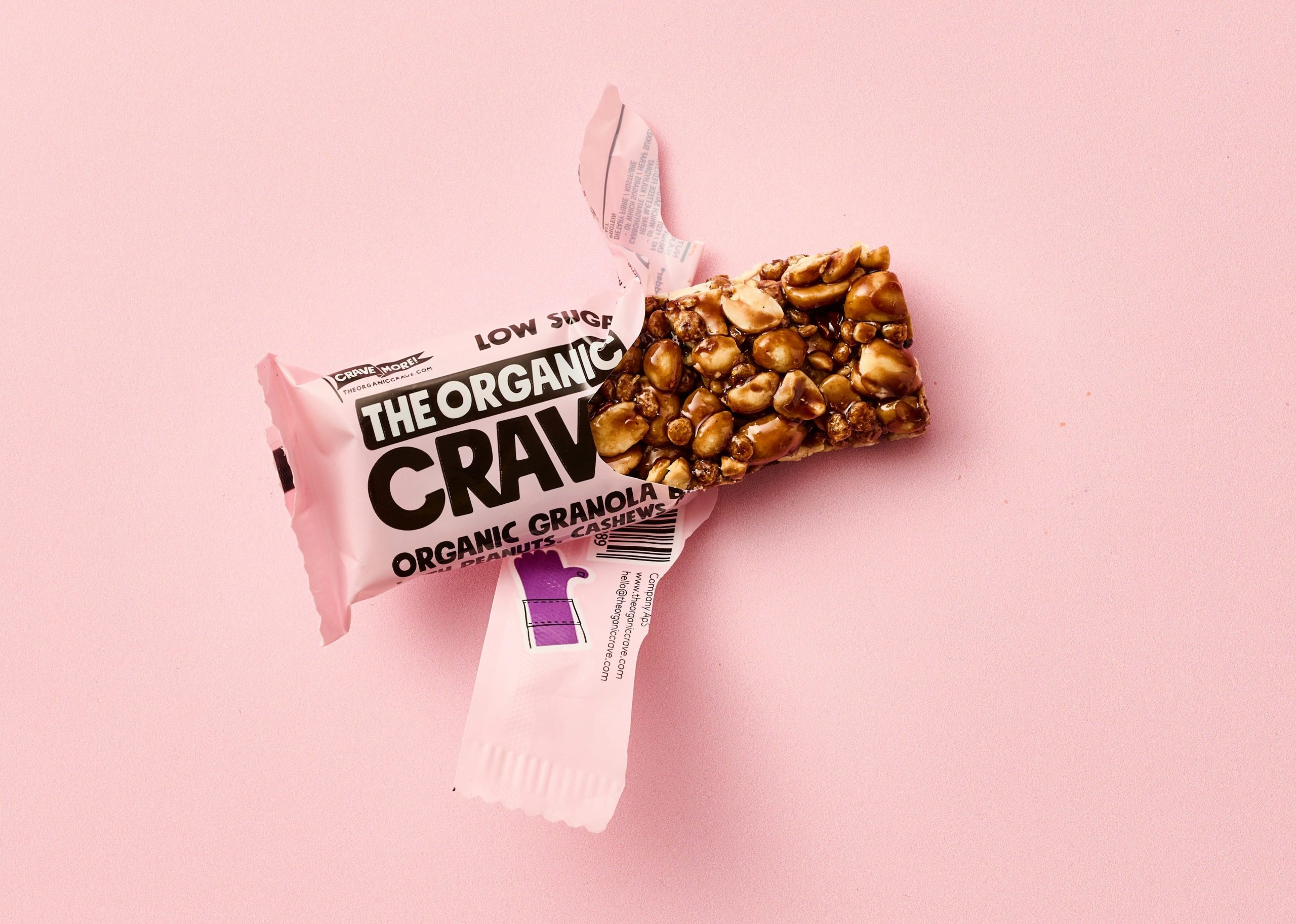
On the other hand, ingredients in protein bars can range from minimal to extensive, including natural and artificial sugars and various additives. For example, this 38 gram Futurelife bar contains the following nutrients:
- 637 calories
- 4.1 grams of protein
- 7.2 grams of fat
- 2.8 grams of saturated fat
- 16 grams of carbohydrates
- 91 mg of sodium
The bar also includes additional ingredients such as copper, selenium and zinc.
While Parmesan cheese clearly has a stable, relatively high amount of protein, many protein bars on the market fall below and go above this amount.
Should you swap out your protein bar for a block of Parmesan?
Parmesan cheese is a naturally processed dairy product with simple ingredients. It contains a relatively good amount of protein, but its sodium levels are questionable, especially for those who have chronic conditions affecting their heart and kidneys.
Protein bars, in contrast, are more encompassing. Due to the large amount available on the market, their ingredients vary significantly from natural to highly processed. Although their protein amounts are also relatively good, when compared to the sugar and additive contents, their nutritional value could be in question.
Both options have their pros and cons. In order to choose one over the other, you would need to take your fitness goals, health status, and budget into consideration. The average cost of 30 grams of Parmesan cheese is around R30, while the average cost for a 30-gram protein bar is between R20 and R60.
The verdict
Although Parmesan cheese after a hard-hitting workout sounds like a tasty snack, it might not be wise to eat it on the daily. Protein bars may offer added beneficial nutrients, but you’ll need to keep an eye on their sugar levels. Both options can get quite pricey, especially on a tight budget.
The best option you have available to you is to rotate your snack foods every few days to make sure you’re getting a diverse number of nutrients in your diet. It’s a great idea to limit protein bar intake to days where you don’t have time for anything else, i.e. don’t snack on a protein bar or wedge of Parmesan cheese when you have a fridge filled with whole foods. Rather, leave the processed foods for when you’re too busy for anything else, or you’ve just walked out of a 3-hour workout.
Also See: Protein fatigue: 6 Signs you might be eating too much protein
Protein fatigue: 6 Signs you might be eating too much protein
