
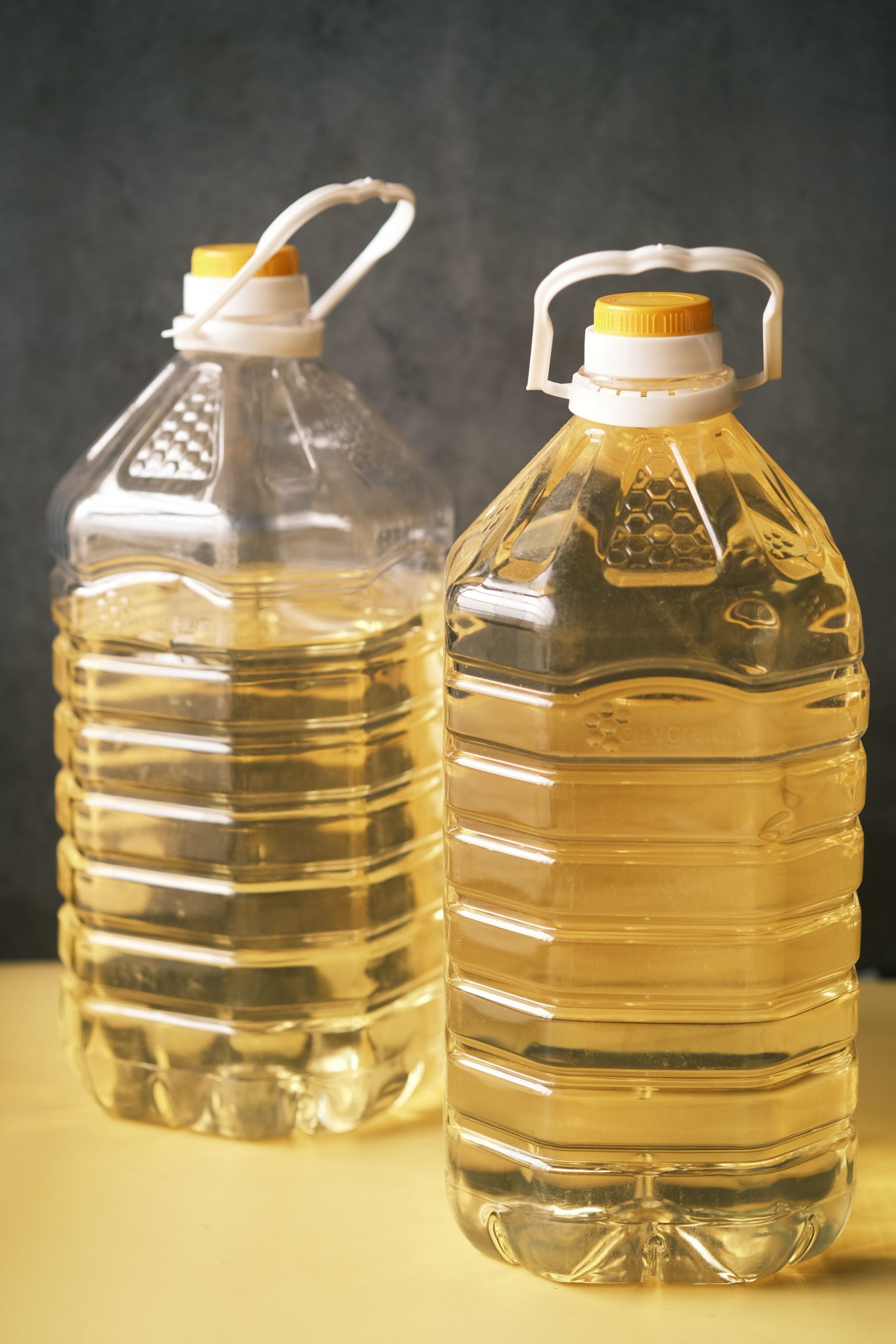
As much as we’d like it to, our cooking oil doesn’t last forever. It eventually goes rancid, and if used, it can instantly ruin your dish and potentially harm you. Read on to find out how to tell whether your cooking oil has gone rancid and when it’s time to ditch the bottle.
Why does cooking oil go rancid?
Cooking oil can go rancid for a few reasons:
- Oxidation: One of the main culprits for most is when oil comes into contact with oxygen for prolonged periods. Oxygen molecules attack the carbon-carbon double bonds in unsaturated fats and this triggers a chain reaction that breaks down the oil’s chemical structure, leading it to have ‘off’ tastes and odours.
- Water: When oil comes into contact with water, it is at risk of structural change. Water can break the oil’s triglycerides into free fatty acids. This reaction is what leads to “sour” or “soapy” tastes.
- Other factors: If your oil is left in very hot environments, heated for shallow or deep frying more than twice, or it comes into contact with UV light (sunlight), similar chemical reactions as discussed above are sped up, leading to the oil becoming rancid.
While rancid oil isn’t extremely dangerous in small quantities, it will spoil the flavour of the dish you’re cooking and expose your body to the free radicals produced. Free radicals, in large or consistent amounts, can harm your health. Free radicals may cause oxidative stress that contributes to serious chronic conditions like cancer, heart disease, diabetes and Alzheimer’s disease.
How to tell whether your cooking oil has gone rancid
First things first: identify the type of cooking oil you’re working with. Refined oils are usually odourless and neutral in flavour, and therefore easier to tell whether they’ve turned rancid. Refined oils include canola, sunflower and vegetable oil. Unrefined oils, like extra-virgin olive oil and other nut and seed oils that have been cold-pressed or pressed once, are trickier. Their flavours and aromas can mask rancid flavours and odours.
Refined oils: Pour some onto a clean teaspoon. Sniff the oil. If it smells like crayons/metal/something sour, it’s off. If you don’t smell anything, have a little taste. If you taste crayons/metal/sourness/bitterness/mustiness/anything that doesn’t taste right, then it’s definitely off.
Unrefined oils: Pour some room-temperature unrefined oil into a small cup (a tablespoon or so). Take a small sip like you were tasting wine. If you taste anything other than smooth, fruity, slightly sweet, mild, or spicy flavours – the oil is off.
Another thing to note is that if the bottle or container the oil is kept in is super sticky, then it’s probably gone rancid.
A good tip to remember is to smell and taste oil that’s fresh, so you have a baseline to work with!
