

There are minimalist colour schemes, maximalist colour schemes, colour drenching, murals, colour capping and the art of creating pops of colour. Whether you know any of these interior decorating terms or not, painting a room can be a daunting (and expensive) task. For many, choosing a paint colour is the most exciting and straightforward part of renovating or refreshing a room. But once you see all the colours, tones and shades available, you start to understand how much is actually on the line. And getting it wrong can cost you.
To keep your renovations on track and your mind at ease, we’ve created a guide on how to choose the right paint colour for every room.
How to choose the right paint colour for every room
Choosing the right paint colour for every room doesn’t need to be intricate, strictly follow interior design rules, or be overly complicated. Instead, here are 5 tips to help you stay on the right track.
1. What do you already have in the room?
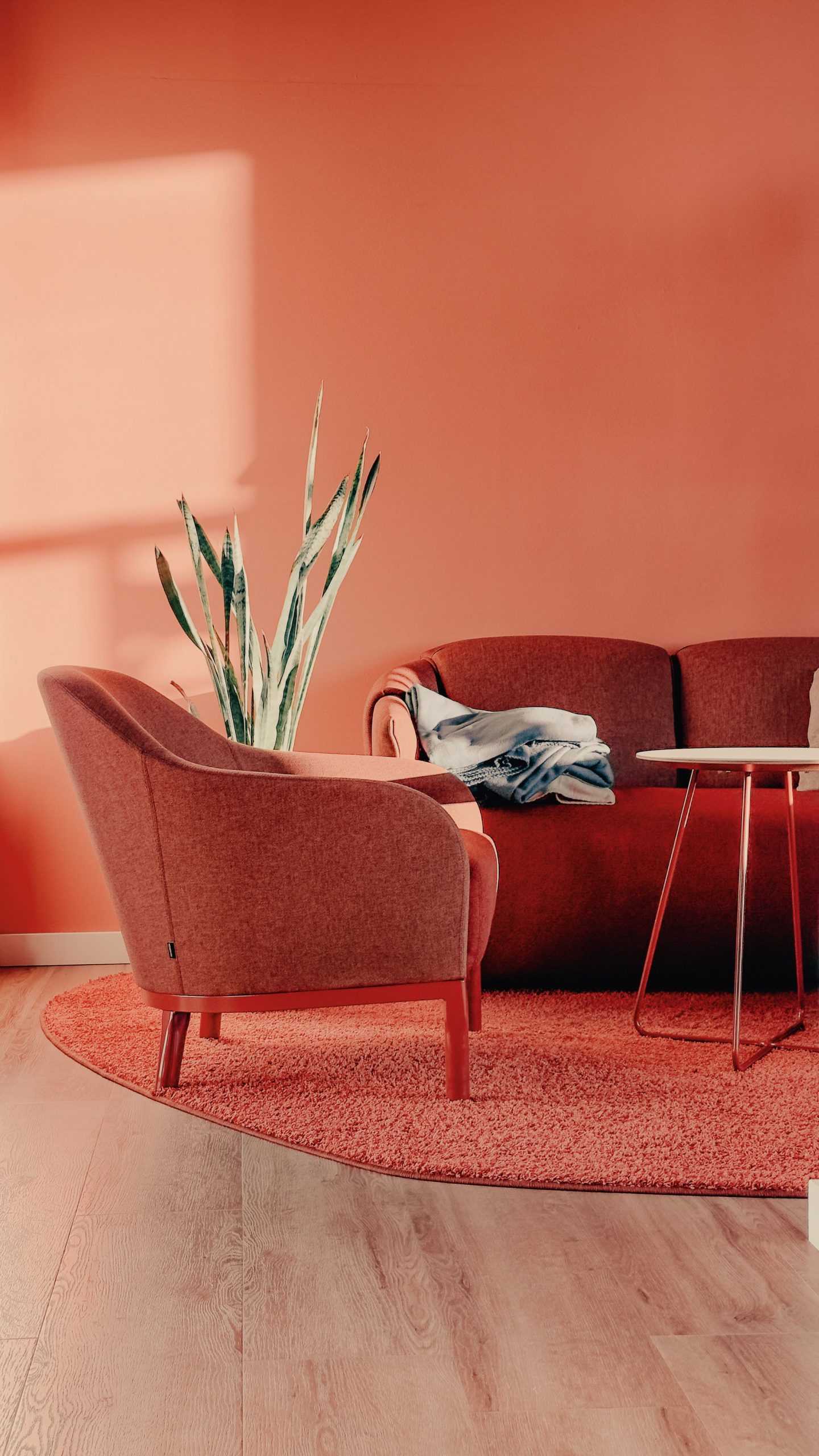
Paint colours shouldn’t be chosen in isolation or from an Instagram trend. First, look at what you already have in the room: artwork, furniture fabrics, flooring and the amount/type of light. The colour you choose should work together with the decor and other items you already have. Think of it as a conversation between the elements.
If your decor is bright and bold, and the room is filled with loads of natural light, consider picking a more earthy and neutral paint colour. On the other hand, if the room is dull or lacks natural light, pick one wall to paint brightly to add some depth and brightness to the space.
2. What is the room used for?
This question will help you determine the type of paint you need.
For kitchens and bathrooms, for example, you’ll need a paint that’s moisture-resistant. As for the colour, keep in mind the fact that you’ll be seeing it multiple times a day when you make a hot cuppa or use the loo. Choose a colour that suits the decor in the space, but also something you won’t tire of seeing every 10 to 20 minutes.
Bedrooms, living rooms, TV rooms and dining rooms need paints that are easily wiped clean and maintained. Happy, warm-toned colours are usually best for bedrooms, while moodier colours and darker tones can be used to spruce up dining and living rooms.
3. Test first before fully committing
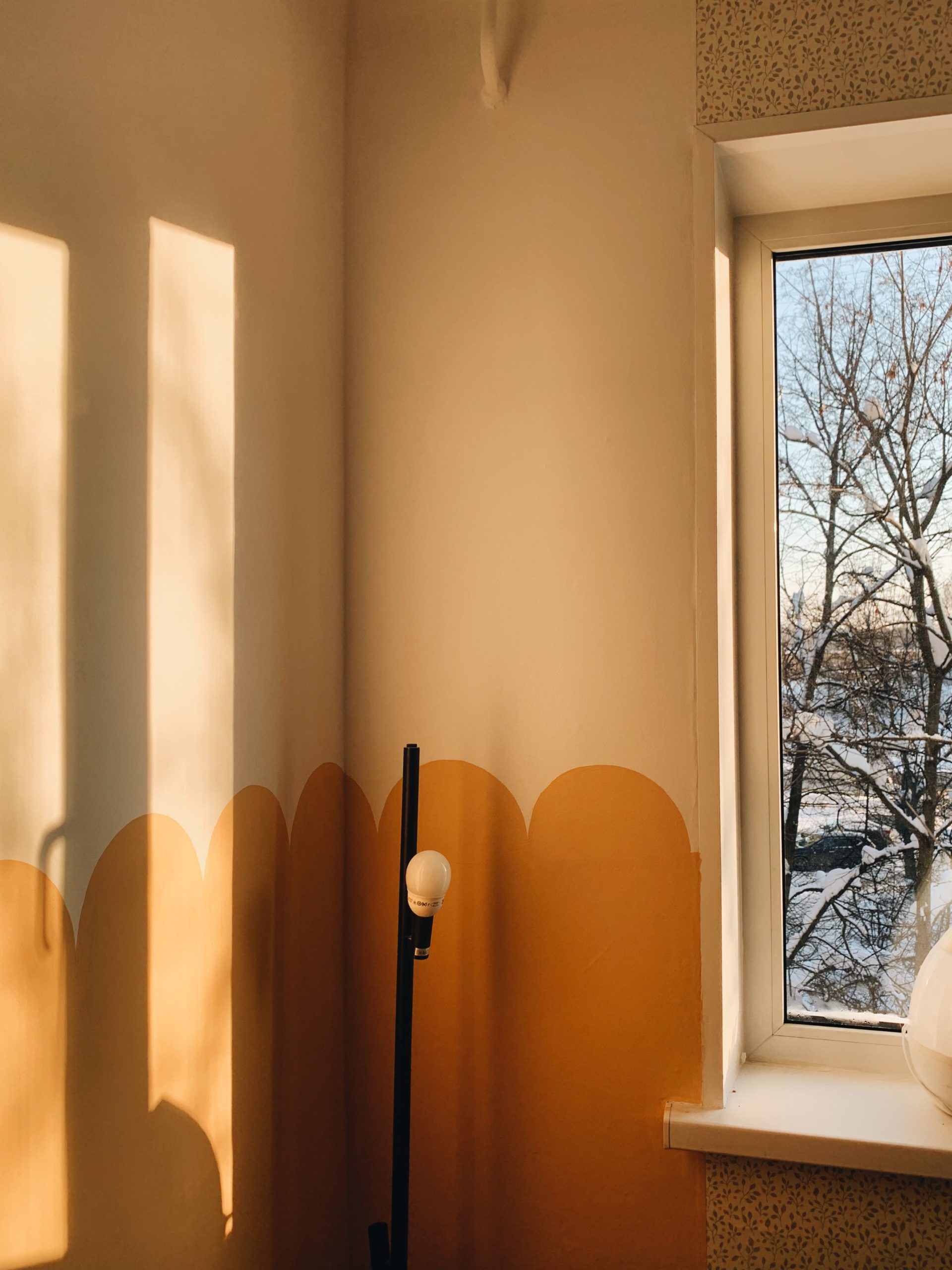
And no, we’re not talking about sticking those tiny sample squares in the middle of the wall. Instead, buy a sample tin and paint a large sheet of cardboard. Use this to prop up behind decor pieces, furniture, under lights and close to doorways. Leave it there for half a day or longer to really get the feel for the colour. Move it to different areas and rooms to compare.
Make sure to look at the larger sample at different times of the day to see how natural and artificial lighting affects the colour. Once you’re happy with that, then it’s time to commit.
4. Give door frames and ceilings some love
Don’t forget about all the door frames and ceilings in your home. Door frames are the first line of sight when entering a room – and can be very useful to set the scene. Ceilings are huge spaces that can make rooms feel bigger or smaller – use colour to your advantage.
These areas don’t have to be white or neutral either. If you’re looking for a pop of colour, but don’t necessarily want that to be a dedicated wall or room, consider painting doors and door frames or ceilings instead.
5. Commit 100% or not at all
If you’re feeling indecisive about a paint colour, then it’s probably not the right choice. Commit to the feeling you want the space to have, what actually suits the decor you have, and the style you want to add to the space.
If you’re after a minimalist scheme, your colour palette should reflect this. If you’re in love with the maximalist theme, then commit to a bold and bright paint colour. Looking to add a pop of colour to the space? Commit to painting one or two walls a bright shade (or even two complementary shades).
