
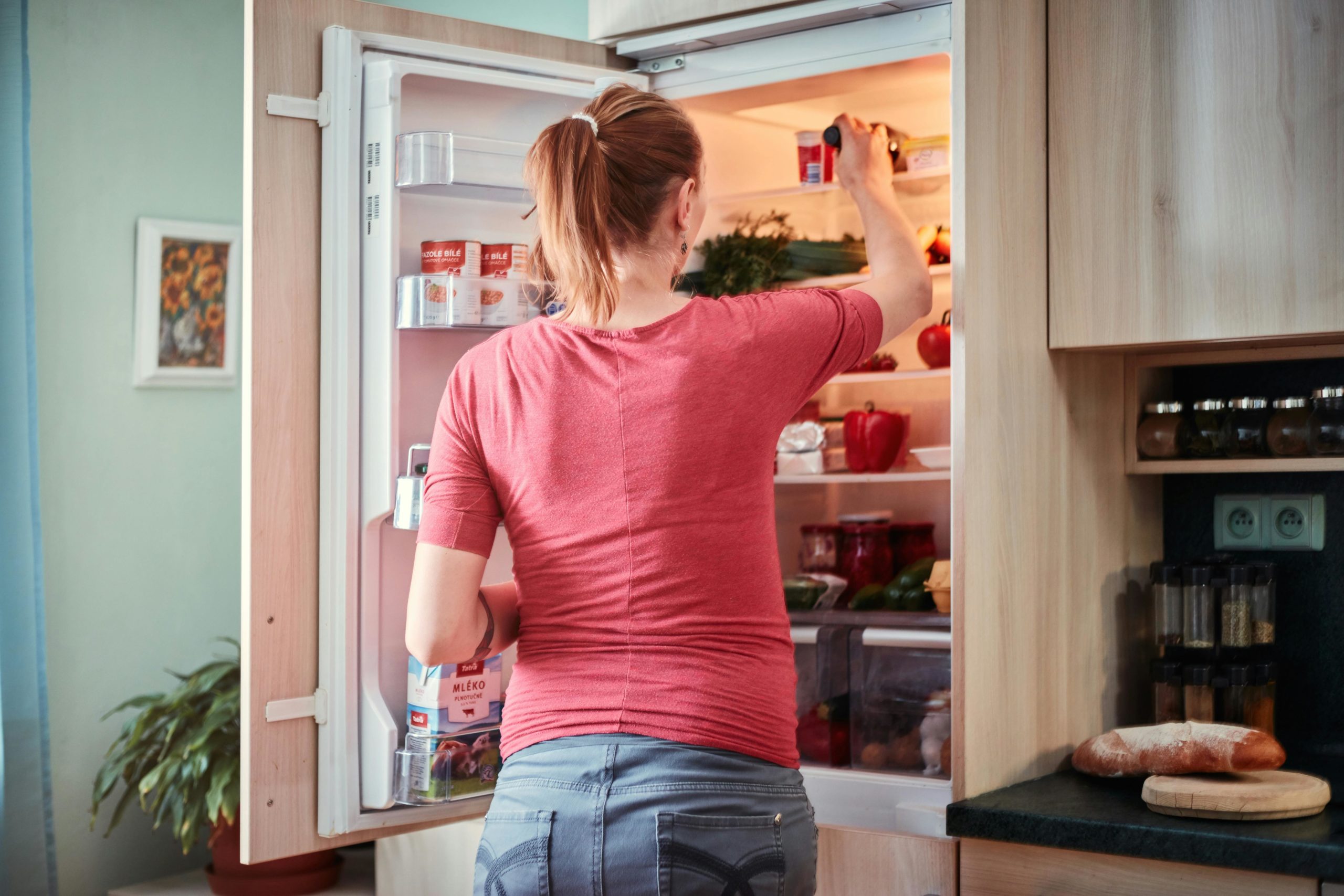
Our fridges really do the most – keeping our go-to items, like milk and eggs, at the ready for tea time and breakfast, keeping our veggies vibrant and crisp, and helping our food last just that little bit longer. But have you noticed that there’s always a shelf in every fridge that doesn’t keep your items cool enough, or safe to use for long enough?
Studies have shown that the shelves on fridge doors are the culprits. Not only is it convenient for you when grabbing some milk for breakfast, but also convenient for bacteria. The fridge door is the warmest, most temperature-unstable zone of any fridge – thanks to a regular opening and closing that leads to a constant cycle of cooling items and then warming them up again. The most effective cycle to fast-track spoilage.
Faster-spoiling milk and eggs equal higher grocery budgets, food waste, and leaving the shelves with harmful bacteria growth that may lead to some serious foodborne illness. Who knew the fridge door was the silent, deadly culprit all along?
Foods you should never store in the fridge door
While it is the most handy place to store items you use all the time, the fridge door was actually designed to store non-perishable and stable items, not perishable items like milk, eggs, cheese, drinks and other go-to snacks. To make things easier, here’s a full list:
- Milk & dairy: the constant fluctuating temperatures can eventually kill off any good bacteria found in these products and lead to a shorter shelf life; instead, store these items on the middle or top shelves
- Eggs: these little guys need a stable and cold environment to stay fresh; keep them stored on the top shelf instead of the door
- Ready-to-eat items: items like deli meats, prepared foods and leftovers are in danger of spoiling or growing harmful bacteria when stored in the door; instead, keep them on the middle shelf
- Nut butters and oils: heat fluctuations are nut butters and delicate oils’ worst nightmare; store on the top or middle shelves instead
- Fresh juice/cold-pressed juice: these are packed with vitamins and other nutrients susceptible to oxidation, enzymatic degradation and overall spoilage; keep them stable on the middle or lower shelves instead
- Raw meat & fish: you probably aren’t storing these items in your door, but this group also includes those delicious streaky bacon strips you pair with your eggs
- Fresh produce: smaller packaged items in this group might fit just right in the door and free up space for other items inside the fridge, but the constant temperature fluctuation means those berries, herbs, and other fresh produce will wilt and spoil before you know it; instead, make space in the veggie drawer or store on the middle shelf
Items that can be stored in the fridge door
You might be thinking that this list must be very short, even non-existent, but there are a whole lot of goodies you can keep in the door shelves. Think non-perishable, shelf-stable foods that have high acid and sugar contents.
- Mustard
- Tomato sauce
- Pickles
- Jams
- Vinegars
- Soy sauce
- Fish sauce
- Fermented pastes like miso, gochujang and doenjang
Also See: The foods you should never store together in the fridge – and why
The foods you should never store together in the fridge – and why
