
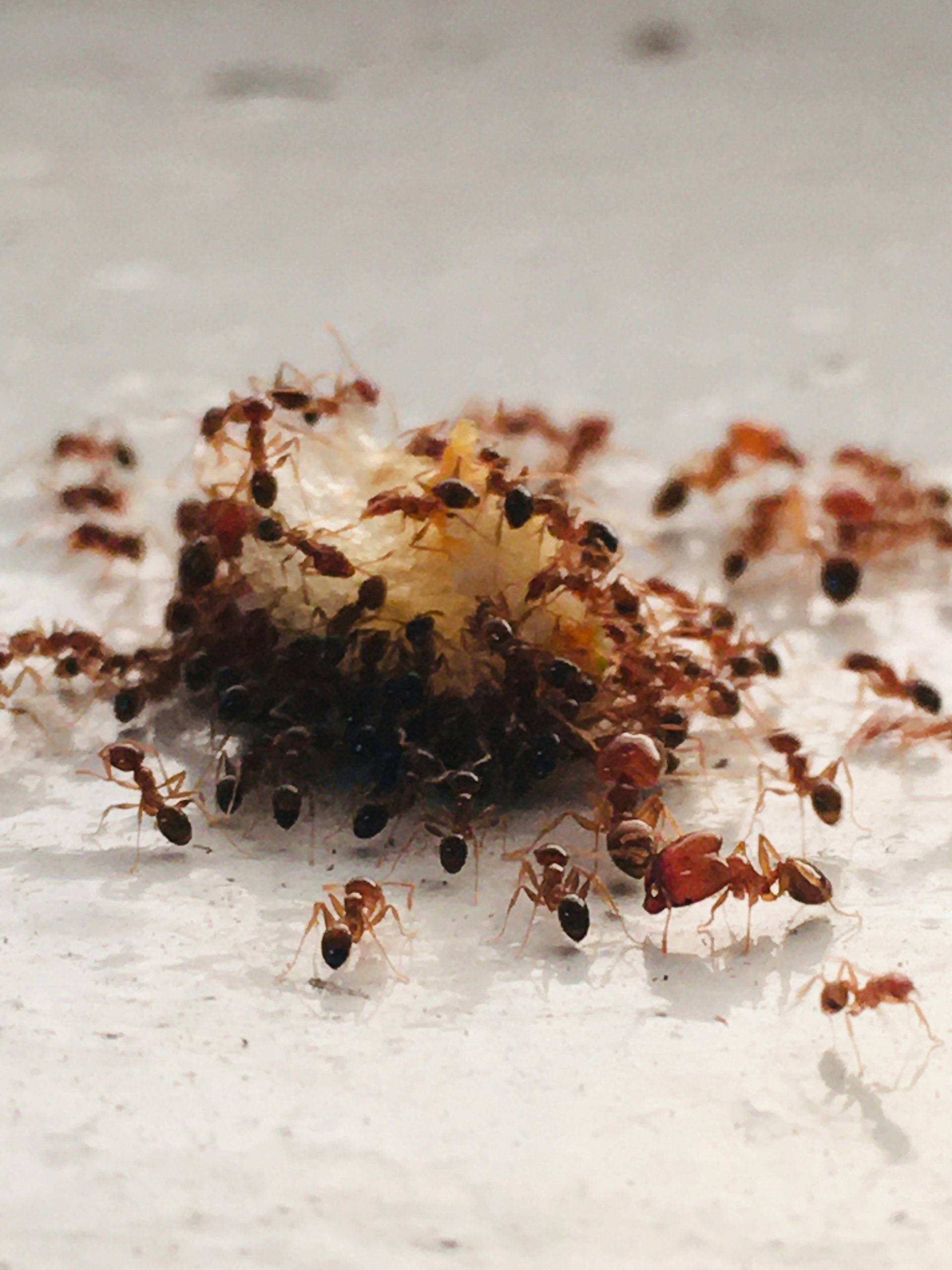
It always starts with one ant. Then another. Before you know it, there’s a tiny marching band making its way across your countertop towards the fruit bowl or sugar jar.
While ants play an important role outdoors, they’re far less welcome in the kitchen. The good news is that you don’t always need chemical sprays to send them packing. A few simple habits and natural ingredients can make your kitchen much less inviting while keeping your home safe for children, pets and food preparation.
Keep your kitchen crumb-free
This might sound obvious, but even the smallest crumbs or sticky spills can attract ants.
Pay extra attention to:
- Under appliances like the toaster and kettle
- Behind the bin
- Around the pet food bowls
- Inside cupboards where sugar, flour or cereal are stored
Wiping down surfaces after cooking and sweeping the floor daily can go a long way towards preventing an invasion.
Store food properly
Ants have an impressive sense of smell and can quickly sniff out food sources. Transfer pantry staples such as sugar, rice, flour, cereal and biscuits into airtight containers. Fresh fruit should also be checked regularly, as overripe fruit is one of the quickest ways to attract ants. Don’t forget to rinse recyclable jars and cans before placing them in the recycling bin.
Use white vinegar
White vinegar is one of the easiest natural ant deterrents. Mix equal parts white vinegar and water in a spray bottle and wipe down countertops, windowsills and areas where you’ve noticed ant trails. The vinegar helps remove the scent trail that ants leave behind for the rest of the colony to follow. The smell fades once it dries, but many ants will avoid the area.
Try lemon juice
Much like vinegar, lemon juice can disrupt the scent trails ants rely on. Squeeze fresh lemon juice around windows, doorways or cracks where ants are entering. As a bonus, your kitchen will smell fresh afterwards.
Sprinkle cinnamon
Ground cinnamon isn’t just for baking. Many people find that sprinkling a little cinnamon near entry points or along ant trails helps discourage them from crossing. Cinnamon sticks can also be placed inside cupboards as a gentler alternative.
Coffee grounds can help
Used coffee grounds often end up in the compost, but they may also help deter ants. Once cooled and dried, sprinkle them near outdoor entry points or around areas where ants seem to be gathering. While they won’t solve a major infestation, they can act as another layer of defence.
Seal the entry points
Sometimes the problem isn’t what’s inside your kitchen but how the ants are getting in.
Take a walk around your kitchen and look for:
- Gaps around windows
- Cracks near skirting boards
- Openings where pipes enter the house
- Small holes around doors
Sealing these gaps with the appropriate filler or weather stripping makes it much harder for ants to find their way inside.
Keep moisture under control
Like us, ants need water. Leaking taps, damp dishcloths and standing water near the sink can all attract them. Repair leaks promptly, dry your sink before bed and avoid leaving wet sponges sitting on the counter overnight.
Peppermint oil as a natural deterrent
If you enjoy essential oils, peppermint oil is worth trying. Add 10 to 15 drops to a spray bottle filled with water and lightly mist around entry points and problem areas. Many people find the strong scent unpleasant for ants, while your kitchen gets a refreshing minty smell.
Always keep essential oils away from pets, especially cats, as some oils can be harmful to them.
ALSO SEE: How to get rid of fruit flies for good
Feature image: Unsplash
