
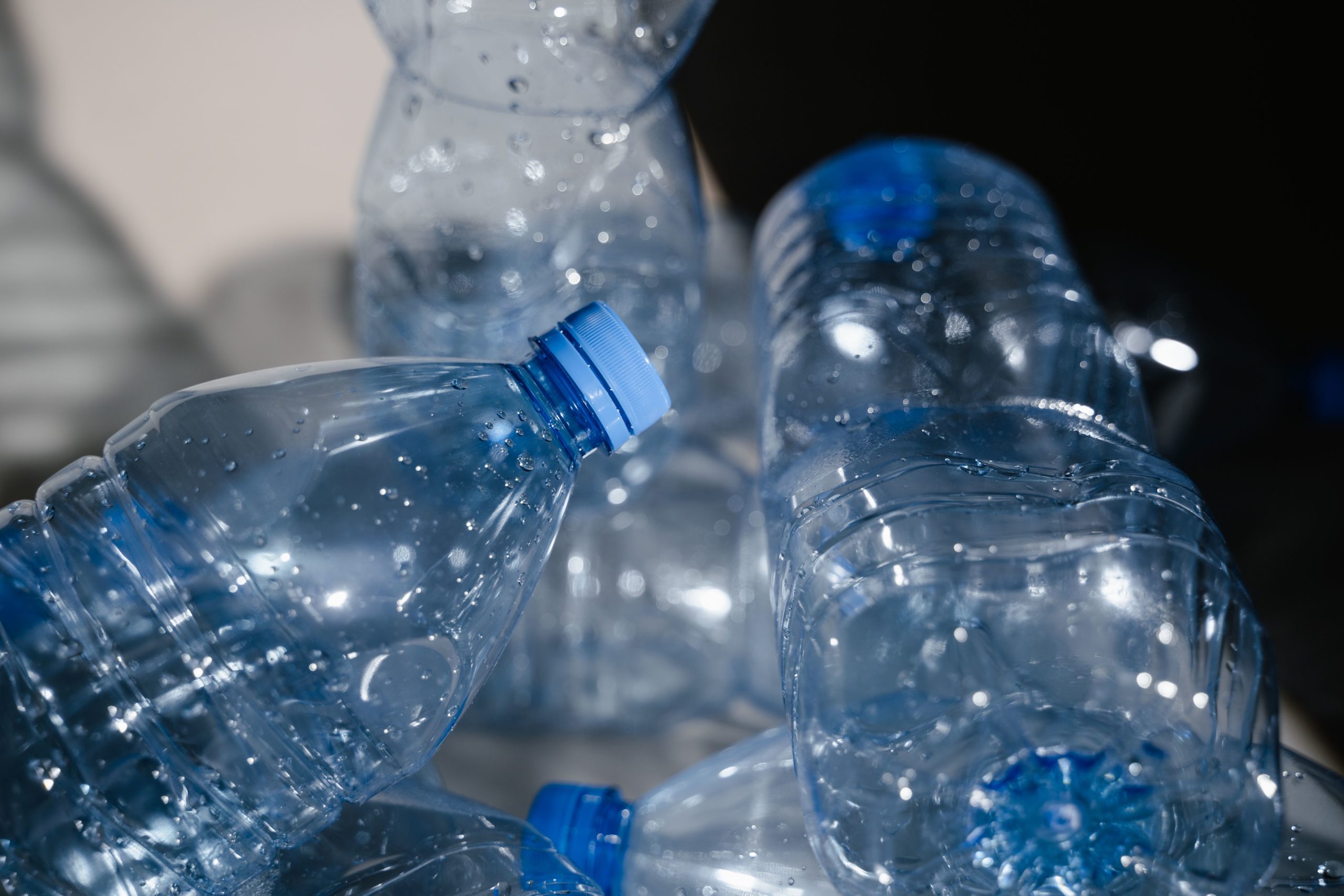
Plastic water bottles are one of those everyday kitchen-and-garden leftovers we barely think twice about. They get used, tossed, and sent off for recycling without much consideration for what they could do first. But with a bit of cutting, poking and rethinking, they can easily be given a second life in the garden.
Seed starters
Cut a bottle cleanly in half and you’ve instantly got two useful pieces. The bottom half works beautifully as a small seedling container. Add a few drainage holes using a skewer or nail, fill with seedling mix, and you’re good to go.
The slightly translucent plastic is a bonus — it allows you to keep an eye on root growth without disturbing the plant. Larger bottles (750ml to 1L) are especially useful here, giving seedlings enough space to establish properly before transplanting. Line a few up in a tray and watering suddenly becomes far more efficient.
Slow watering
This is one of the simplest water-saving hacks for container plants. Take a 500ml (or larger) bottle, fill it with water, and pierce a handful of small holes in the cap using a pin. Push the bottle, cap-side down, into the soil near the plant’s roots.
Water will release slowly over time, soaking directly into the root zone instead of evaporating from the surface. It’s especially helpful during dry spells, for thirsty container plants, or when you’re away for a few days. Set up a few across a bed or patio pots and you’ve essentially created a low-effort drip system.
Bird feeder
A 1.5-litre bottle turns into a surprisingly effective feeder with very little effort. Make two pairs of holes at the same height on opposite sides, then slide a wooden spoon or dowel through to create perches.
Just above each perch, add small seed-release holes, fill the bottle with seed, secure the lid, and hang it from a branch or railing using strong twine or wire.
The clear plastic makes it easy to see when it’s time for a refill, and in winter especially, it quickly becomes a busy little feeding station in the garden.
Garden scoop
A 2-litre bottle can be transformed into a sturdy scoop with one angled cut across the lower third. The remaining top section forms a natural handle, while the slanted edge makes scooping soil or fertiliser far easier.
It’s particularly handy for transferring potting soil into containers without spilling half the bag in the process, or for measuring out granular fertiliser. The flexible plastic also gives you a bit of control when pouring, especially in tighter spaces.
Plant labels
Long strips cut from a plastic bottle make some of the most durable plant markers you’ll ever use. Slice the bottle into 1.5–2 cm strips, trim one end into a point, and you’ve got waterproof labels that won’t rot, fade or disintegrate in the soil.
Write on them with a permanent marker and use them for everything from herbs to vegetables. In a busy garden where you’re sowing in stages, they’re a small detail that saves a lot of confusion later.
Shed storage
Cut the top off a bottle and you’ve got an instant open container for garden bits and pieces. Think seed packets, twist ties, plant tags, cable ties or even spare fittings that always seem to disappear when you need them most.
Line a few up on a shelf and label them with masking tape. The real advantage here is visibility — no digging through drawers or boxes, just a clear view of exactly what’s inside.
ALSO SEE: How to remove hard water stains from glass
Feature image: Pexels
