
Wine tastings can feel daunting—unfamiliar grape varieties, tasting notes, aromas, and a room full of people confidently discussing tannins. But wine tasting isn’t just about having the knowledge and the “right” answer; it’s about paying attention to what’s in your glass and figuring out what you enjoy.
Whether you’re heading to a wine farm for the first time, attending a formal tasting, or simply want to get better at understanding the bottle you’ve just opened at home, this beginner’s guide will help you know what to look for, what to taste, and, most importantly, what to ask.
How to taste wine: A beginner’s guide
A wine tasting is an opportunity to assess a wine using your senses: eyes, nose and palate. You might be tasting several wines side by side, compare different varietals or vintages, or just explore wines from a particular region or producer.
You aren’t expected to outperform the winemaker with knowledge – asking questions and taking part in the overall discussion is in fact the best part of the experience.
The basic process is super simple: you look, smell, taste and think about what you’re experiencing – and then you share it with your partner, table, or even the host (whatever makes you feel comfortable).
1. Read the label, your first clue
We all love a pretty label, but it serves a purpose beyond just great design. The label gives you valuable insights into the wine before the cork even pops:
- The vintage: This is the year the grapes were harvested, and the wine process began. For wine aficionados, the vintage hints at the quality of the growing season. For beginners, it’s a great conversation starter. Ask the winemaker about the conditions that year.
- Varietal vs variety: A varietal wine is made from one grape type, like Merlot or Sauvignon Blanc. A blend includes many grape varieties, like the popular GSM (Grenache, Syrah and Mourvèdre).
- Region: Knowing where the wine comes from matters. The soil, climate, and topography (or the ‘terroir’) shape a wine’s personality.
2. Take note of the colour
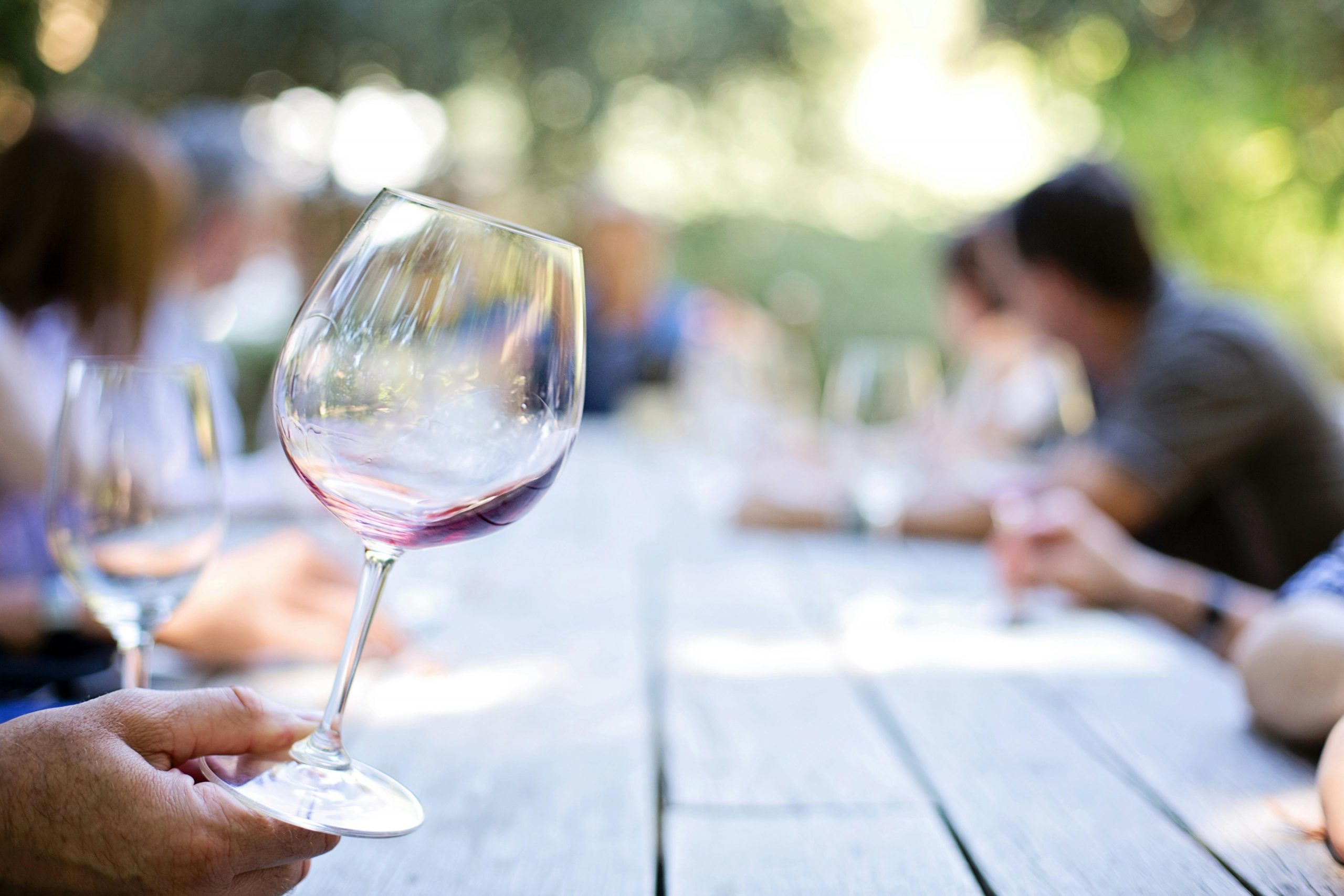
The colour of a wine can reveal its age, body, and grape variety. Tilt and hold your glass up in the light, or against a white surface and observe its qualities.
- White wines span from straw yellow to perfectly golden.
- Red wines range from transparent ruby to ink burgundy.
3. Swirl it!
Gently swirling wine in a glass forces it to come into contact with oxygen in the air. This helps release the wine’s full potential, allowing us to smell its full range of aromas and taste its complexity. Additionally, swirling coats the glass in wine. Notice, as the wine settles, the ‘legs’ or streaks that form on the sides of the glass. These indicate the wine’s alcohol content and surface tension, and, in some cases, the sugar content. While this is interesting to look at, it’s not something you need to judge your wine by.
4. Smell it like you mean it
Now that the wine’s full potential is released, give it a good sniff. The aroma will give you an idea of what your mouth is about to taste. You might pick up on fruits, citrus, spices, and oak notes.
Give it another swirl and sniff. You may notice different aromas appearing as the wine opens up.
5. Take a sip
Take a small sip of the wine and let it sit on your tongue for a few seconds to coat it. Then, gently swish the wine around your mouth, noting the flavours and textures as you go. When you’re ready, either swallow or spit into a spitoon; it’s your call.
Ask yourself:
- Is it dry or sweet?
- Does it feel light or full-bodied?
- Does your mouth water?
- Does it feel smooth or grippy?
- Does it feel warm from the alcohol?
- Are the flavours intense or delicate?
- Does the wine taste fresh, rich, savoury or fruity?
The answers to some of these questions will prompt your host to explain further. But here’s an overview for you to think about before hearing it:
- Acidity: acidity gives wine its freshness and makes your mouth water. High-acidity wines can feel bright, lively and refreshing, while low-acidity wines may feel rounder and softer.
- Tannins: This is what creates the dry, puckering or slightly grippy sensation in your mouth. Tannins bind with proteins in your saliva, creating the drying sensation you feel. They also add complexity to wines (especially reds).
- Body: This describes how heavy or light a wine feels in your mouth. A light-bodied wine feels delicate and refreshing, while a full-bodied wine can feel richer and more substantial. Alcohol, acidity, and other components of the wine will contribute to the body of the wine.
- Sweetness: This is simply the residual sugar you perceive in the wine. A wine can be bone-dry, off-dry, medium-sweet, or very sweet. Don’t confuse this with what you’re smelling. A wine can have a sweet, fruity aroma, without actually tasting sweet.
6. Any aftertaste?
After your sip, note the wine’s aftertaste, or the ‘finish’. Do the flavours and textures remain, change, or disappear? Long-lasting aftertastes usually indicate a complex or well-balanced wine, but not always a better quality one. Think of it as another piece of information to help you understand the wine rather than a scorecard.
7. Cleanse your palate
Cleanse your palate with water or a dry cracker before taking another sip of the same wine or from another bottle. Experience a second round of smelling and sipping, and note any differences.
Here’s some terminology to help you express your thoughts
- Acidity: Acids in wine help enhance the taste of wine by bringing freshness and making you salivate.
- Astringency: That drying, puckering feeling (thanks to tannins).
- Body: The weight of the wine ranges from light, medium, and full.
- Bold: Big, intense flavours that pack a punch.
- Bouquet: This wine’s aroma. Ranging from fruits, citrus, spices, flowers, herbs, and even freshly cut grass.
- Complexity: A layered wine with changing notes as you sip.
- Notes: Specific flavours and notes you pick up.
The flavours and complexity of wine
- Fruit: Berries, citrus, stone-fruit, etc
- Spices: Pepper, clove, cinnamon, allspice, vanilla, etc
- Oak: Adds smoky, toasty, and vanilla flavours from barrel ageing
- Acidity: Adds brightness and freshness
- Sweetness: This can range from ultra-sweet to bone-dry
Tasting more than one wine?
Here are a few tips to use at your next wine tasting:
-
Start light: Whites → Reds → Sweet
-
Less sweet wines first, dessert wines last.
-
Ask questions; it’s part of the fun!
-
Take notes (or photos) to remember what you liked.
-
Don’t feel pressured; if you don’t like a wine, move on.
-
Spitting is totally okay (it’s called pacing yourself).
Wine tasting doesn’t have to be intimidating. It’s about exploration, enjoyment, and discovering what you love. Whether you’re sipping in Stellenbosch or swirling at home, let this guide be your companion into the world of wine, one glass at a time.
Also See: 5 Black South African winemakers to keep your eye on
Feature image credit: Pexels
