
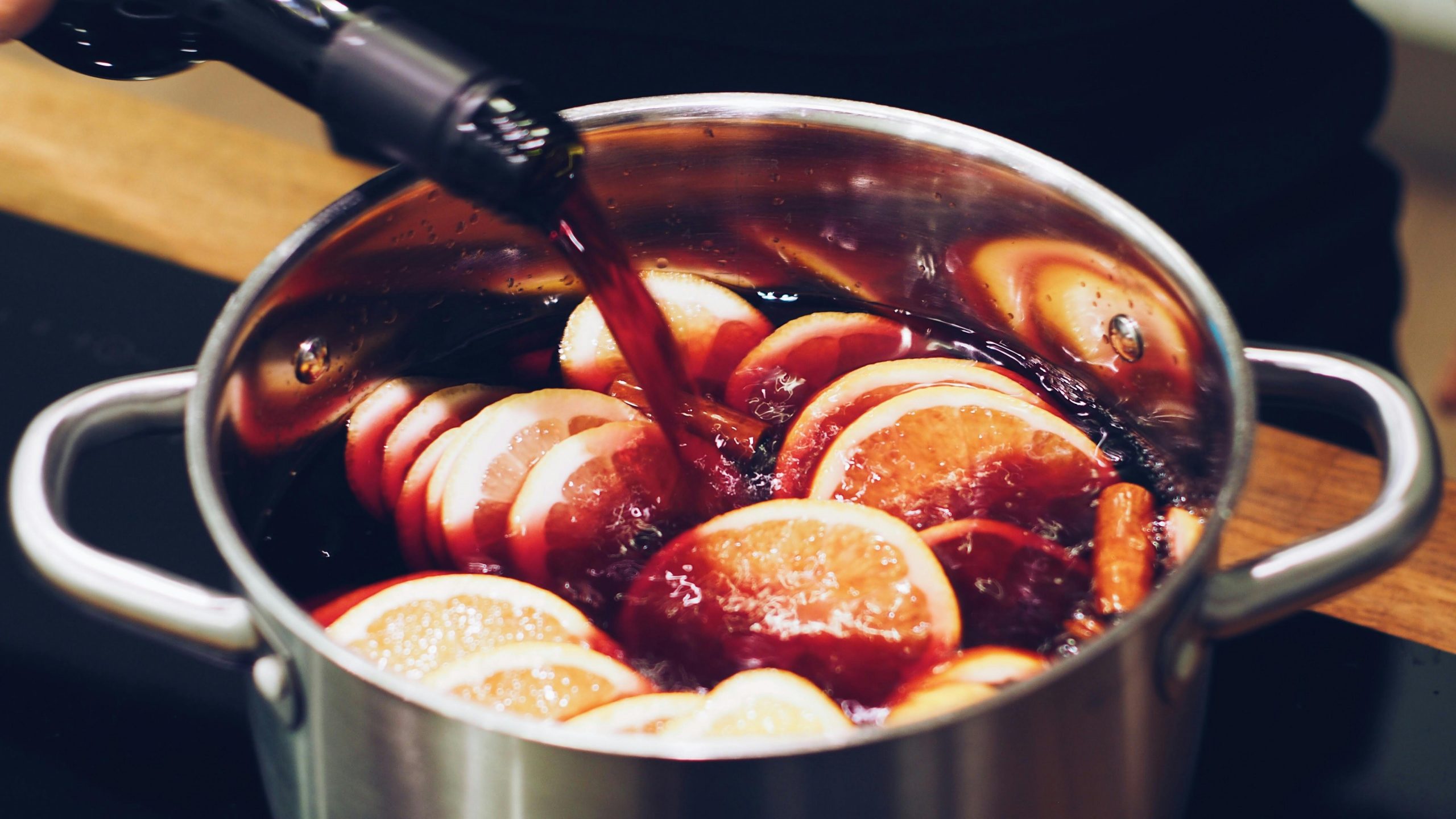
With the festive season practically knocking at the door, there’s no doubt that you and your loved ones are gearing up to cook and bake festive feasts to outshine last year’s. And as with many festive recipes, a splash of brandy or full-bodied red wine is at the top of the list. However, for whatever reason, you might not want to add a splash of vodka or vermouth this year, and are looking for suitable alternatives (or if any). That’s where we come in.
Cue alternatives and practical tips that help you enjoy traditional festive flavours without the alcohol.
Do you even need to add the alcohol at all?
The role that alcohol, like brandy and wine, plays in cooking and baking mainly enhances flavour and tenderness, or adds moisture. Depending on the type and amount used, alcohol can also preserve foods (like a traditional Christmas cake packed with raisins, sultanas, and drenched in brandy). However, alcohol isn’t the only ingredient that provides these roles – salt and sugar are excellent natural preservatives and tenderisers, as well as spices and herbs for enhancing flavour.
While you can almost always omit alcohol from a recipe, it’s the perfect opportunity to use an alternative or substitute that is just as tasty. Except for a flambé, there is no suitable alternative that will produce as stunning a flame, so if you can, keep to the recipe just this once.
Another note: when heat is involved, the alcohol content will evaporate during cooking or baking. So if the alcohol content is the issue, rest assured that after a thorough heating, the food is safe to consume.
The best alcohol substitutes for cooking & baking
There is a very convenient and easy solution: non-alcoholic wine and beers. However, if you’re working with creamy or distilled alcohols or don’t have access to non-alcoholic options, here are a few alternatives that work:
Cooking alternatives
- White wine: white grape juice, ginger ale, chicken or vegetarian stock, or diluted white vinegar
- Red wine: cranberry or red apple juice, or broth
- Cider, sweet sherry or mirin: clear apple juice
- Fortified wine (port, rum, brandy): unsweetened orange juice or apple juice plus 1 teaspoon of flavoured extract (like vanilla, almond, or cherry)
- Creamy liquers (like Amarula or Kahlua): use cream and flavour extracts like vanilla and chocolate
- Clear or distilled alcohol (vodka, tequila or schnapps): mix clear grape or apple juice with lime or lemon juice, and a flavour extract (like cherries or oranges)
Baking alternatives
- Rum or brandy: fruit juices, like orange, apple and pineapple
- Liquers: use a matching flavour extract
- Alcohol used to soak baked goods: use coconut water, milk, or syrups (like maple, agave, or simple sugar syrups) to keep baked goods moist and preserved
How to choose the right alcohol substitute
To keep the flavour profile and the recipe as close to the original as possible, consider what function the alcohol is being used for and then choose your preferred alternative:
- Meat tenderiser: choose soda, sparkling juice or an acidic fruit juice or vinegar
- Flavour enhancer: choose a substitute with the closest flavour match, whether a fruit juice or extract
- Yeast content: like beers are used for breads, it’s best to choose a different recipe since there are no suitable alternatives
Your next festive cookout or baking treat can taste just as rich and indulgent without alcohol. Experiment on a small batch with substitutes listed above before the big day – adjusting sweetness, acidity, saltiness, umami, and spiciness as you go.
