
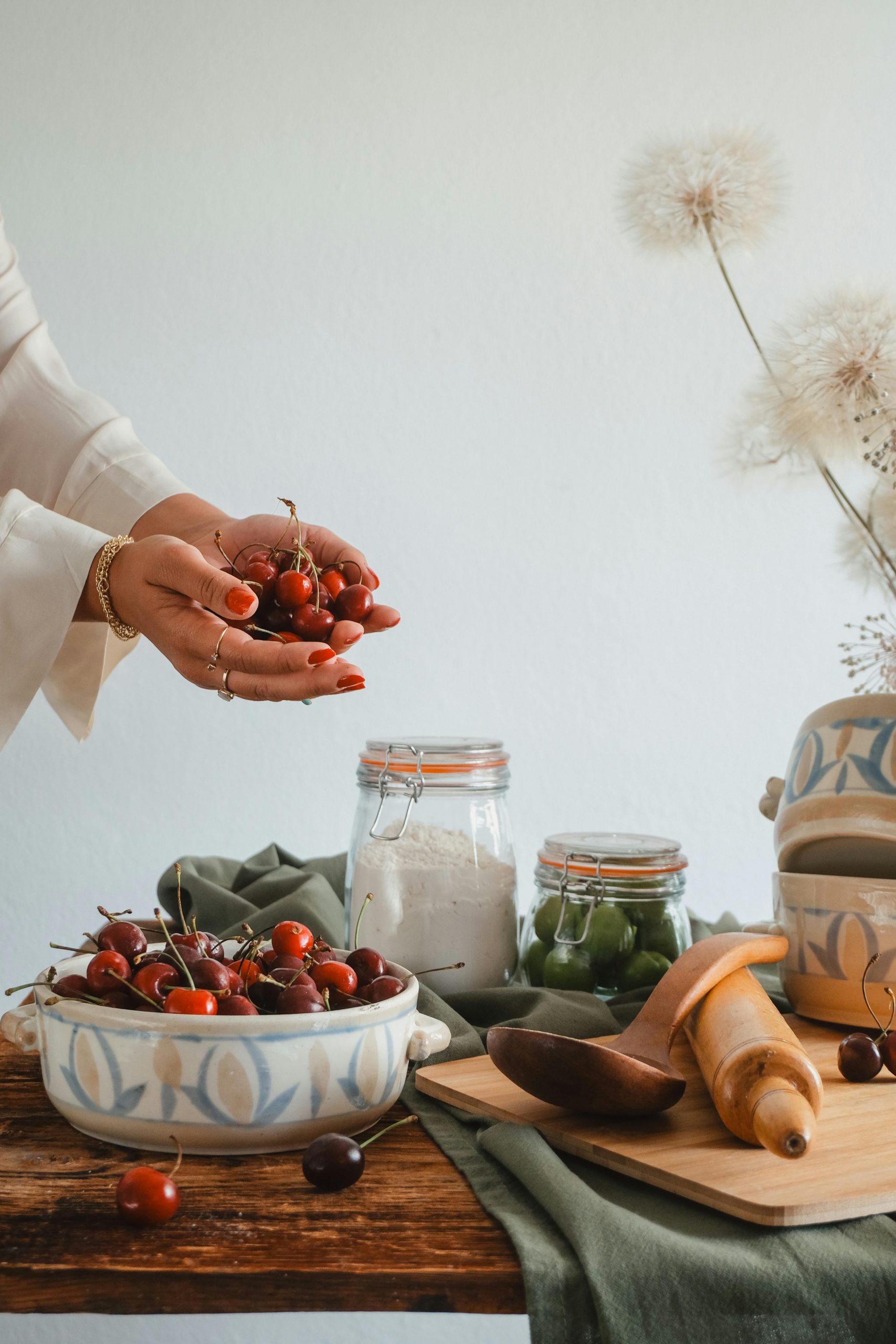
If you’ve noticed a sudden surge of wood-fired flatbreads, ‘slow-braised’ anything and desserts that look like they came straight from your gran’s kitchen, you’re not imagining it. Rustic cooking is having a moment – and honestly, I’m here for it.
According to a report by FoodNavigator, there’s a clear move away from ultra-refined, white-tablecloth dining and towards food that feels grounded, familiar and deeply comforting. In other words, we’re trading tweezers and foam for cast iron and open flames. And it makes perfect sense.
We’re tired of the performance
For years, dining out (and even cooking at home) felt a little like theatre. Dishes arrived with backstories longer than the wine list. Sauces were dotted, smeared and narrated. It was impressive, yes – but also exhausting.
Now? We want food that tastes like something. Think slow-roasted meats, charred vegetables, crusty bread torn by hand. Cooking methods like open-fire grilling, slow-roasting and cast-iron searing are back in the spotlight, not because they’re trendy, but because they work. They honour the ingredient instead of disguising it.
There’s something deeply reassuring about a meal that doesn’t try too hard.
In a digital world, we crave the tangible
We live online. We scroll for recipes, watch 30-second cooking hacks and double-tap glossy plates. But when it comes to what we actually want to eat, the pendulum has swung the other way.
Rustic food feels real. It’s seasonal. It’s imperfect. It comes with a little smoke, a little mess and a lot of flavour. Plated on wood, served in earthenware or straight from the pan, it reconnects us to the process of cooking – not just the final photograph. There’s comfort in knowing your chicken was roasted slowly, your tomatoes were preserved at peak season, your loaf was baked that morning. It’s less about spectacle and more about substance.
The beauty of doing less
If there’s one person who embodies this shift, it’s Alison Roman. In interviews around her latest book, she talks about the quiet magic of a perfectly boiled potato with butter and salt. Not truffled. Not espuma-ed. Just… good.
Her philosophy is simple: cook with what you have, pay attention and trust technique over theatrics. A bag of lentils, a head of garlic, a single skillet. That’s not limitation – that’s possibility.
There’s a quiet confidence in saying, “This is enough.” And I think that’s why rustic cooking resonates so strongly right now. It doesn’t scream for attention. It doesn’t need to prove anything. It knows that if you roast a chicken properly or simmer a pot of soup with care, it will speak for itself.
Rustic food also taps into something emotional. It reminds us of Sunday lunches, holiday kitchens, recipes scribbled on index cards. Even if you didn’t grow up with a wood-fired oven in the backyard, the idea of one feels romantic and grounding.
Chefs are rediscovering traditional techniques – fermenting, pickling, curing, preserving – not just to reduce waste, but to deepen flavour. These methods take time. They require patience. And in a culture obsessed with speed, that feels quietly rebellious.
Cooking this way invites us to slow down. To stir. To taste. To wait.
Simplicity is the new luxury
Ironically, what once felt ordinary now feels indulgent. A beautifully baked loaf with salted butter. A stew that’s simmered all afternoon. A ripe tomato with olive oil and flaky salt.
Rustic cooking isn’t about going backwards. It’s about stripping away the unnecessary. It asks: what if the ingredient is the star? What if we stop chasing the next big flavour and start appreciating what’s already on our plate?
For me, this “back to basics” movement isn’t a trend so much as a recalibration. We’ve done the fine-dining era. We’ve mastered the viral recipe. Now we’re circling back to food that feels honest.
And maybe that’s the real obsession: not rustic for the aesthetic, but rustic for the soul.
ALSO SEE: When food meets wellness: Functional cooking
