
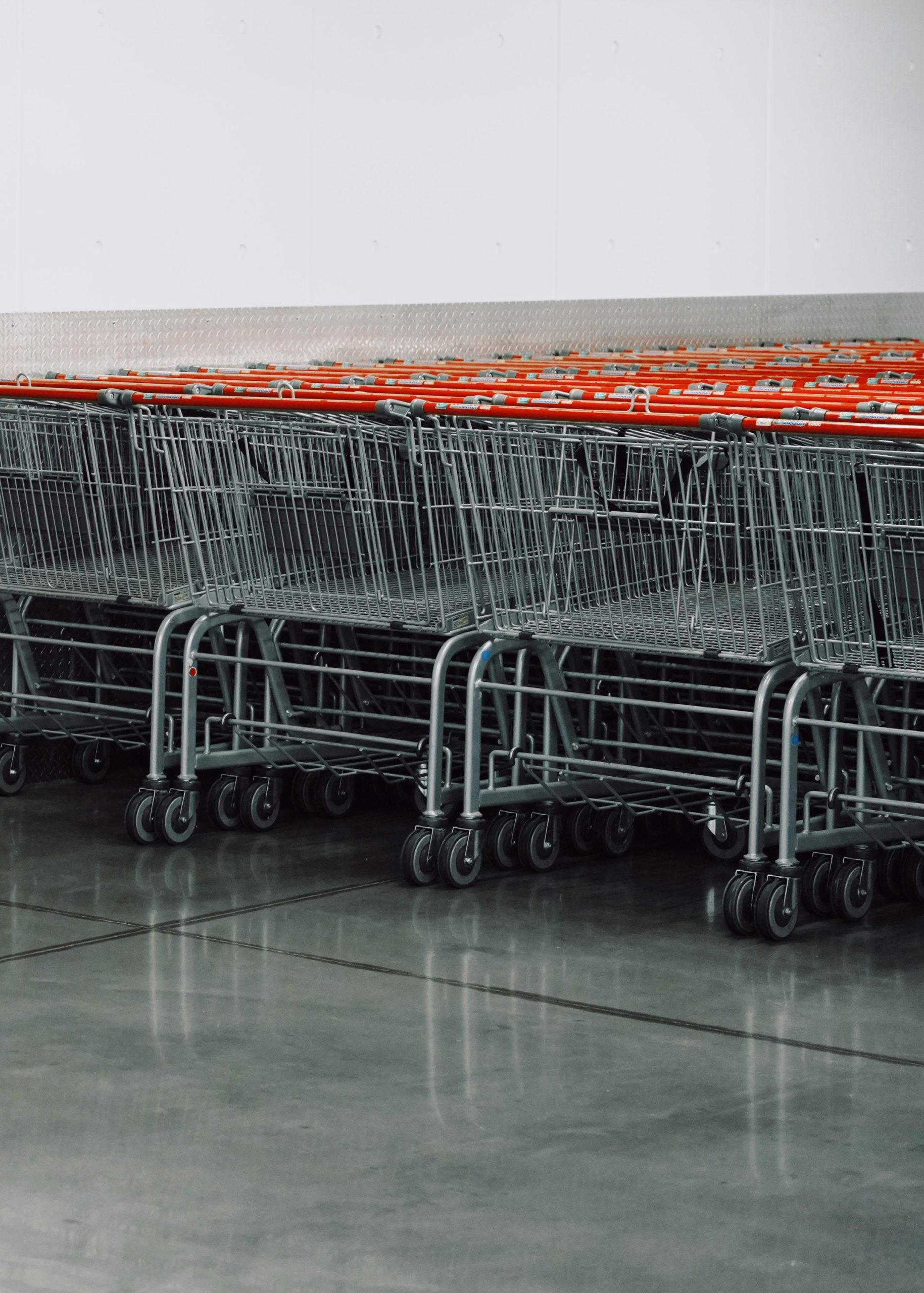
Buying in bulk can be a smart way to stretch your grocery budget, especially as food prices continue to rise. But bigger isn’t always better. While some items can save you money when purchased in larger quantities, others may spoil, lose quality or simply end up taking up valuable cupboard space.
Before loading your trolley with supersized packs, here’s what households should consider buying in bulk and what is better purchased as needed.
Worth buying in bulk
Rice, pasta and dried grains
Staple foods such as rice, pasta, couscous and maize meal have long shelf lives when stored correctly. Buying larger bags is often significantly cheaper per kilogram, making them ideal bulk purchases for families.
Store them in airtight containers to keep out moisture and pantry pests.
ALSO SEE: Spanish chicken, chorizo and rice soup
Dried beans and lentils
Packed with protein and fibre, dried legumes last for months and are generally much cheaper than canned versions. They are a pantry essential for budget-conscious cooks.
ALSO SEE: Spiced lentil & sweet potato mini pot pies
Toilet paper and household essentials
Toilet paper, tissues, paper towels and cleaning products rarely go to waste. Bulk packs often work out more economical and reduce the number of shopping trips needed.
Frozen vegetables
Frozen peas, mixed vegetables and corn are picked and frozen at peak freshness. They’re often more affordable than fresh produce and can be used whenever needed without worrying about spoilage.
Long-life milk
If your household regularly uses milk, UHT milk is a practical bulk purchase. It can be stored unopened for months and is often discounted when bought in larger quantities.
Tinned goods
Canned tomatoes, beans, tuna and coconut milk are useful pantry staples with long shelf lives. Stocking up when they’re on special can lead to noticeable savings over time.
ALSO SEE: Smoky baked bean breakfast bowls
Pet food
If you have pets and enough storage space, larger bags of dry food typically offer better value. Just ensure the food can be used before its expiry date and store it in a sealed container.
Better bought in smaller quantities
Fresh fruit and vegetables
Unless you have a large family or meal plan carefully, fresh produce can spoil surprisingly quickly. Buying only what you can realistically use within a week helps reduce food waste.
Spices and dried herbs
That giant container of paprika may seem like a bargain, but spices gradually lose their flavour and potency. Smaller quantities often provide better value in the long run.
Cooking oils
Oils can become rancid over time, especially if stored in warm conditions. Unless you use large amounts regularly, buying enormous bottles isn’t always the best choice.
Nuts and seeds
Although healthy and versatile, nuts contain natural oils that can turn stale if stored for too long. If you buy them in bulk, keep portions in the freezer to extend their freshness.
Bread and baked goods
While some breads freeze well, many baked goods lose quality quickly. Unless you’re planning to freeze them immediately, bulk buying often leads to waste.
Condiments and sauces
Large bottles of mayonnaise, salad dressing or speciality sauces may seem economical, but they can linger in the fridge long after they’ve been opened.
Questions to ask before buying in bulk
Before adding a bulk item to your trolley, ask yourself:
- Will my household actually use this before it expires?
- Do I have enough storage space?
- Is the price per kilogram or litre genuinely lower?
- Can it be frozen or stored safely for an extended period?
ALSO SEE: What your milk choice says about you
