
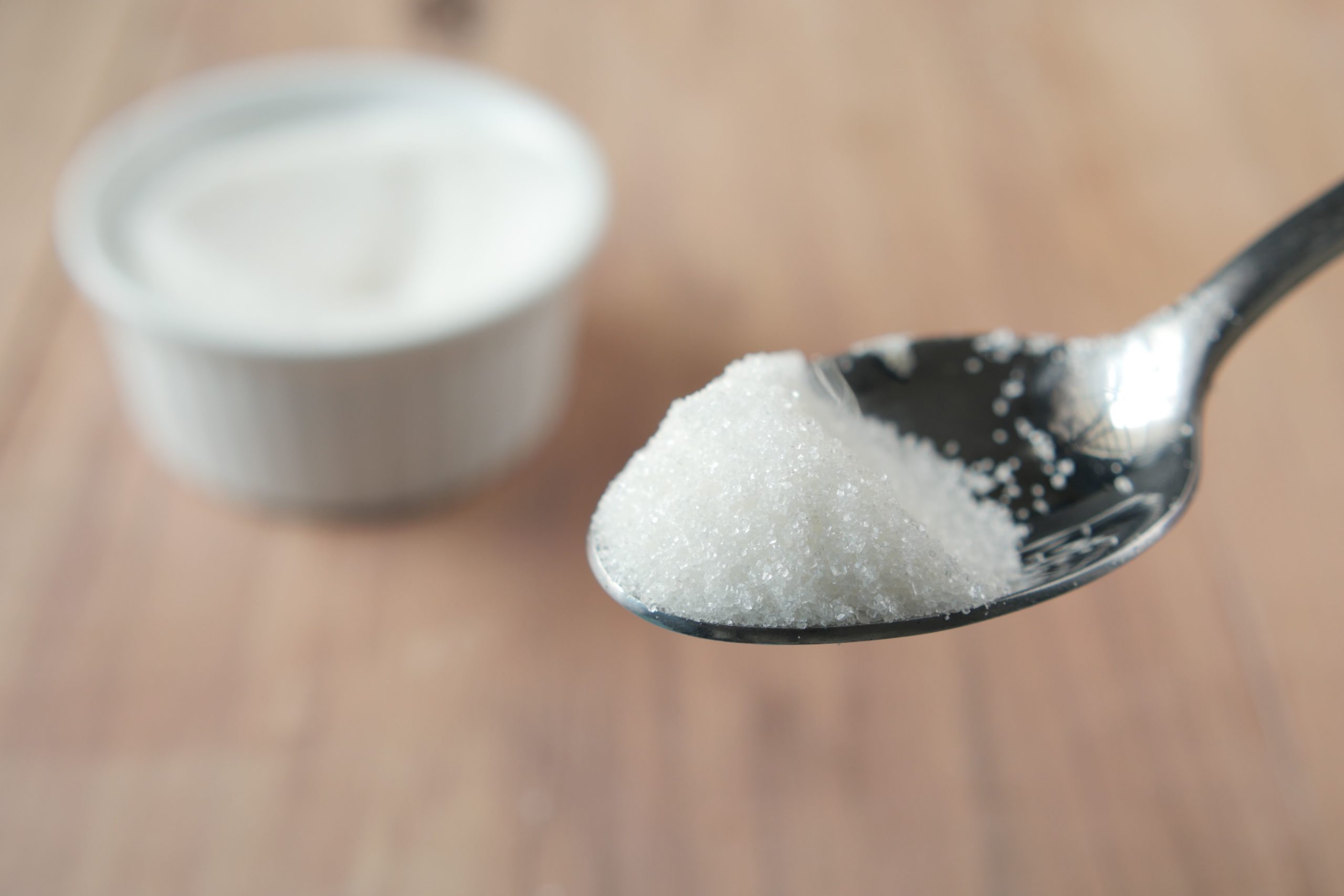
Sugar is sugar, right? Well, if you’re an avid baker or just starting, you’ve probably come across different names for sugar. And let me just say, as a lover of baking, there was once a time when sugar types and names would get me dizzy. If it’s not castor sugar or granulated sugar, it’s demerara or powdered sugar. The most confusing part in all of this sugary mess is that each region or country has their own name for each sugar – America, I’m pointing the finger at you.
But does the type of sugar you use really matter? Let’s get into it.
Castor sugar vs granulated sugar: Does it matter?
The simple answer: absolutely. It’s all about the texture of the sugar (and the flavour with special sugars like Demerara). The texture, or size of the granule, is what determines how an item bakes, tastes and feels in your mouth.
Take meringue for an example. It needs to be whipped for some time, not only to incorporate as much air as possible, but also to dissolve the sugar into the egg white. This results in a glossy look, crispness, and melt-in-your-mouth texture.
The type of sugar you use to bake cookies also matters. Bigger granules result in cookies that spread more than they should when baking, while finer granules help keep their shape better. Denser and richer cakes, like pound cake, welcome bigger sugar granules because they help create that moreish mouthfeel that keeps you coming back for another sneaky slice.
It’s not how sweet a type of sugar can make something, but more how soft, crispy, light, dense, glossy, flaky, and even chewy different types of sugar contribute.
Castor sugar
Castor sugar (also spelt caster sugar) is a super fine white sugar. It’s not as fine as icing sugar (also known as powdered sugar or confectioners’ sugar) and still has some grit to it. While many bakers and chefs use castor sugar as a substitute for granulated sugar, or just interchangeably, castor sugar has a defining effect on baked goods.
Thanks to finer granules, castor sugar is absorbed and incorporated into mixtures much faster than granulated sugar. This results in a lighter texture. It’s best used for:
- Meringues
- Lighter cake batters (think genovese or flourless cakes)
- Lighter or butter-based cookies
- Sprinkling over finished desserts as garnish
- Soufflés
- Choux pastry
- To sweeten cold beverages (since it doesn’t need any heat to dissolve)
There are two types of castor sugar: white (regular) and golden. The golden variety is unrefined, or processed in such a way that some of the molasses is left behind. It not only has a beautiful golden hue, but also has a warmer, caramel-like flavour compared to its regularly sweet cousin.
Granulated sugar
We call granulated sugar white sugar in South Africa (and most European countries). Due to its coarser grain/grit, it dissolves slightly slower than castor sugar. It tastes much the same (unless you’re using golden castor sugar), and is used in many baked good recipes. It’s the most commonly used sugar product, alongside brown sugar (which is processed the same and gets its colour from molasses).
Substitutes
While many bakers and chefs use granulated and castor sugar interchangeably, there are a few tips to use if you do.
- Remember that granulated/white sugar is coarser, so it will need more time to dissolve and incorporate into mixtures.
- Use lower mixing speeds when using white sugar to give it enough time to dissolve (otherwise you might end up with crystallised edges or baked cakes with whole white sugar crystals)
- If you’re creaming butter and white sugar, use a slightly colder butter instead of the usual room temperature butter that most recipes call for
- When you’re not sure if white sugar has completely dissolved, run the mixture or batter through your thumb and index finger – if you still feel granules, you need to keep mixing
- Make castor sugar from white sugar by popping it into a clean food processor or coffee grinder until it’s fine in texture but not yet a powder
