
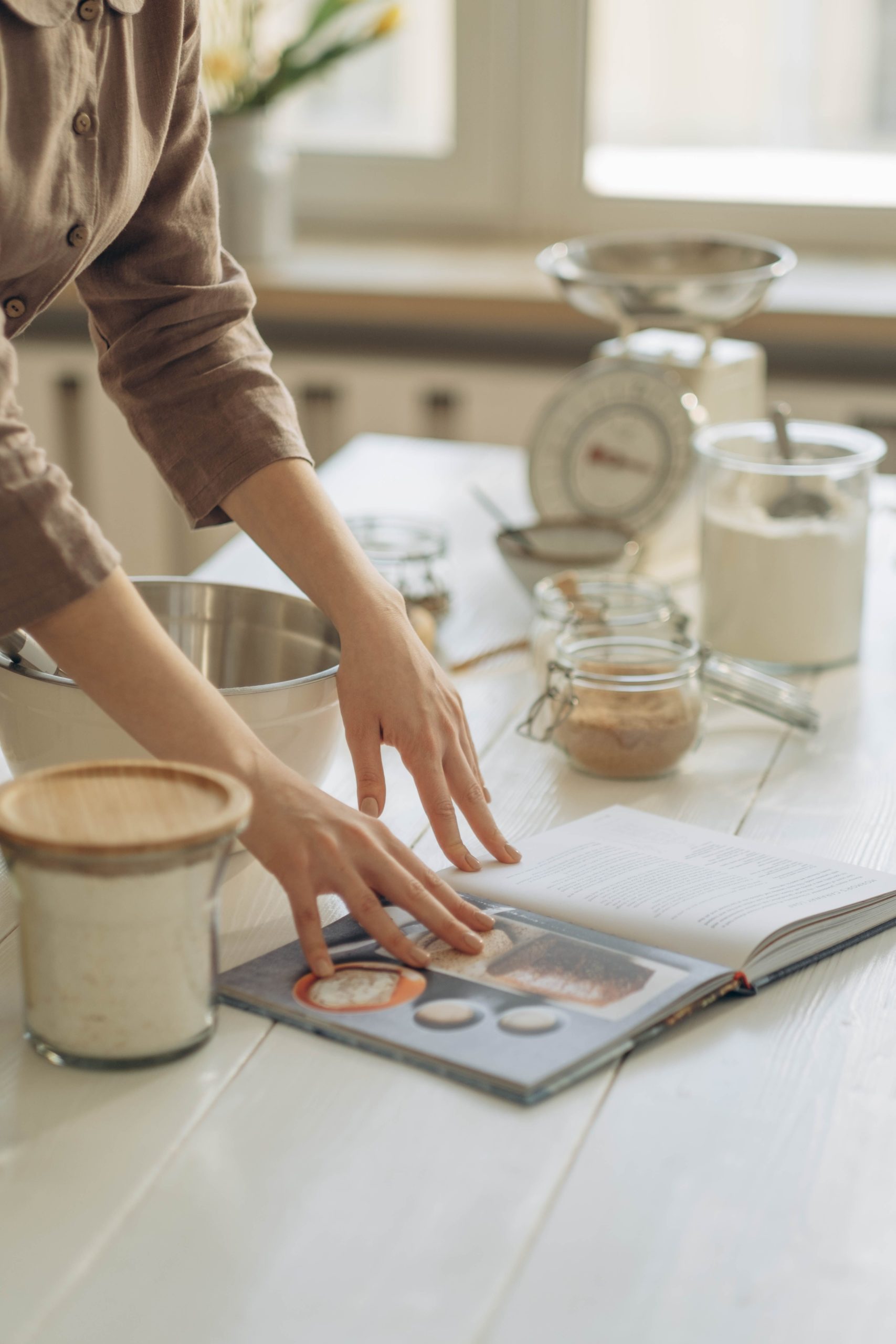
Have you ever followed a cookbook recipe to a T, using the exact measurements, temperature settings, timing, and cooking methods, and the meal still fell short?
Perhaps the flavour didn’t live up to expectations, or it was a bit overcooked, or the dish doesn’t look like the picture.
Here are a few tips and disclaimers that some recipes may leave out.
1. Inaccurate measurements
- Use a kitchen scale where possible.
- Spoon dry ingredients into a measuring cup and level them off.
- Use a liquid measuring jug for liquids.
- Check whether the recipe uses grams, millilitres, cups, or spoon measurements.
2. Your oven temperature may not be accurate
The temperature shown on an oven dial is not always the actual internal temperature. An oven that runs too hot can burn the outside of food while leaving the middle undercooked.
- Preheating the oven fully before cooking.
- Using a separate oven thermometer.
- Following the recommended rack position.
- Rotating the pan if your oven has hot spots.
3. Room temperature is not universal
In recipes that rely on your kitchen’s temperature, such as bread recipes, the conditions in the recipe creator’s kitchen may be warmer or colder than those in your own kitchen, which can affect the result. Thus, account for that by adjusting the resting or rising period.
4. Adjust for your taste
The ingredients that add flavour to a meal and won’t necessarily change the outcome of the dish should be adjusted to your liking. Ingredients like spices, herbs and sauces don’t require a strict recipe following. If you like a little bit of kick to your food, you can add more teaspoons of paprika, for example.
This article was originally written by Thekgo Raseala for Bona.
