
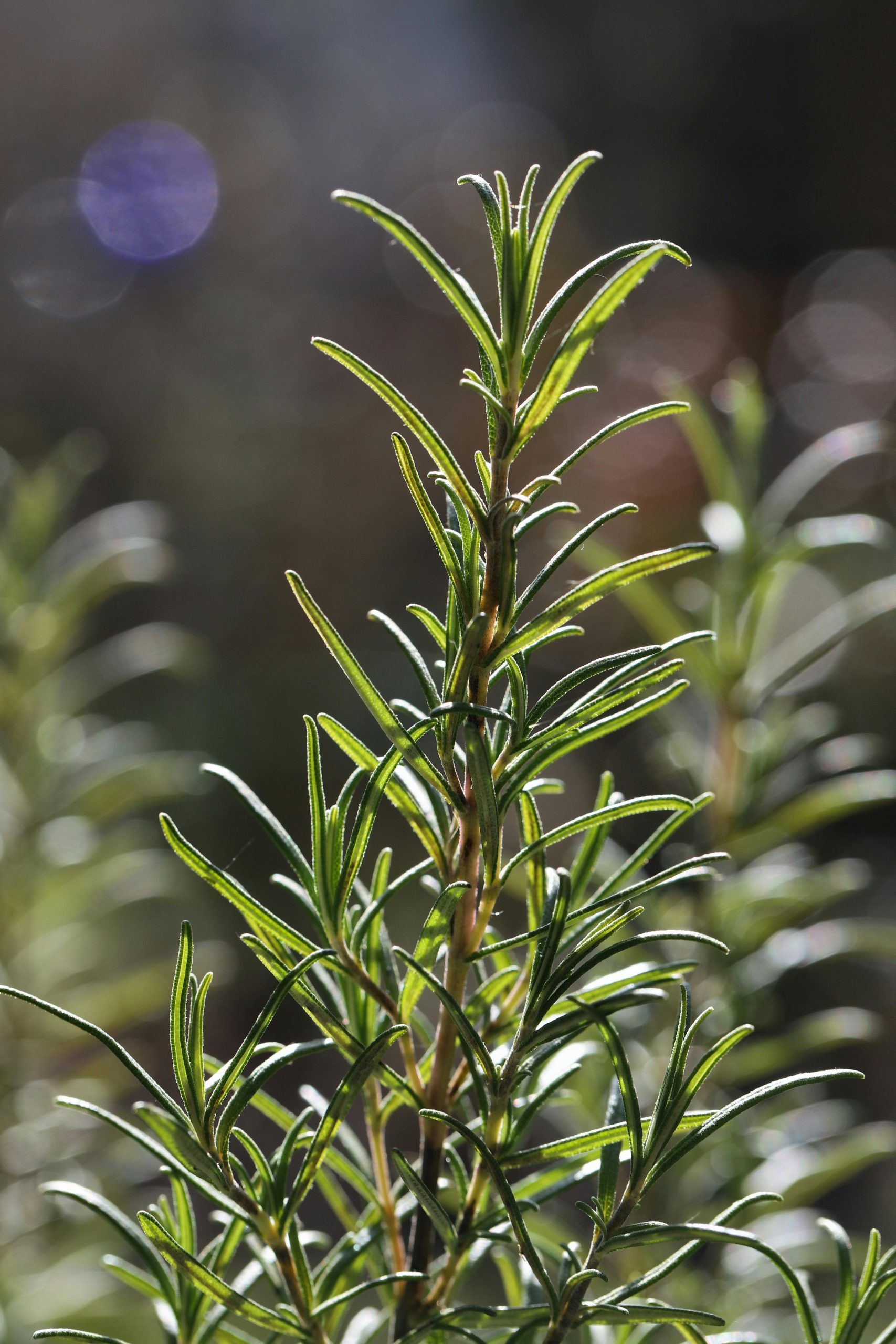
Grow new rosemary plants from cuttings in just a few weeks.
Rosemary is a classic herb. It pairs well with many meats and vegetables, and can be used in savoury and sweet dishes. Not only is it versatile in the kitchen, but it also provides many benefits to your garden, too.
As a drought-resistant and evergreen herb, rosemary acts as a natural pest repellent for your garden, simultaneously attracting pollinators like bees and butterflies. The best news is that you can easily propagate and grow bunches of rosemary plants, using a few cuttings.
Rosemary propagation guide: Step-by-step
- Find a healthy rosemary plant in your garden (or at a friend’s, nursery, or even the supermarket).
- Snip 10 – 20 cm pieces from the tips of healthy, new growth. Avoid woody parts of the stem.
- Use your fingers to strip the leaves from the bottom 5 – 10 cm of the stem.
- Either place these cuttings in a glass of fresh water, or along the sides of a pot, watering and covering with a plastic bag.
- Place the glass of water or pot in a semi-shaded spot. Make sure to replace the water in the glass every couple of days. If using the pot method, water every few days or when the soil looks dry.
- Once the stems have rooted, which takes about 2 to 6 weeks, transplant them into a bigger pot for further growth.
- Once these plants start flourishing and outgrowing the pot, you can either transplant them into an even larger pot or straight into a garden bed.
Tips for success
- The best time for propagation is in spring or autumn
- Cut soft, green growth, and avoid woody, hard stems
- When rooted, rosemary likes full sun and doesn’t like wet feet (leave to dry out in between waterings)
- Avoid overwatering; rosemary prefers neglect over too much attention
Also See: How to propagate thyme for an endless supply
How to propogate thyme for an endless supply
