
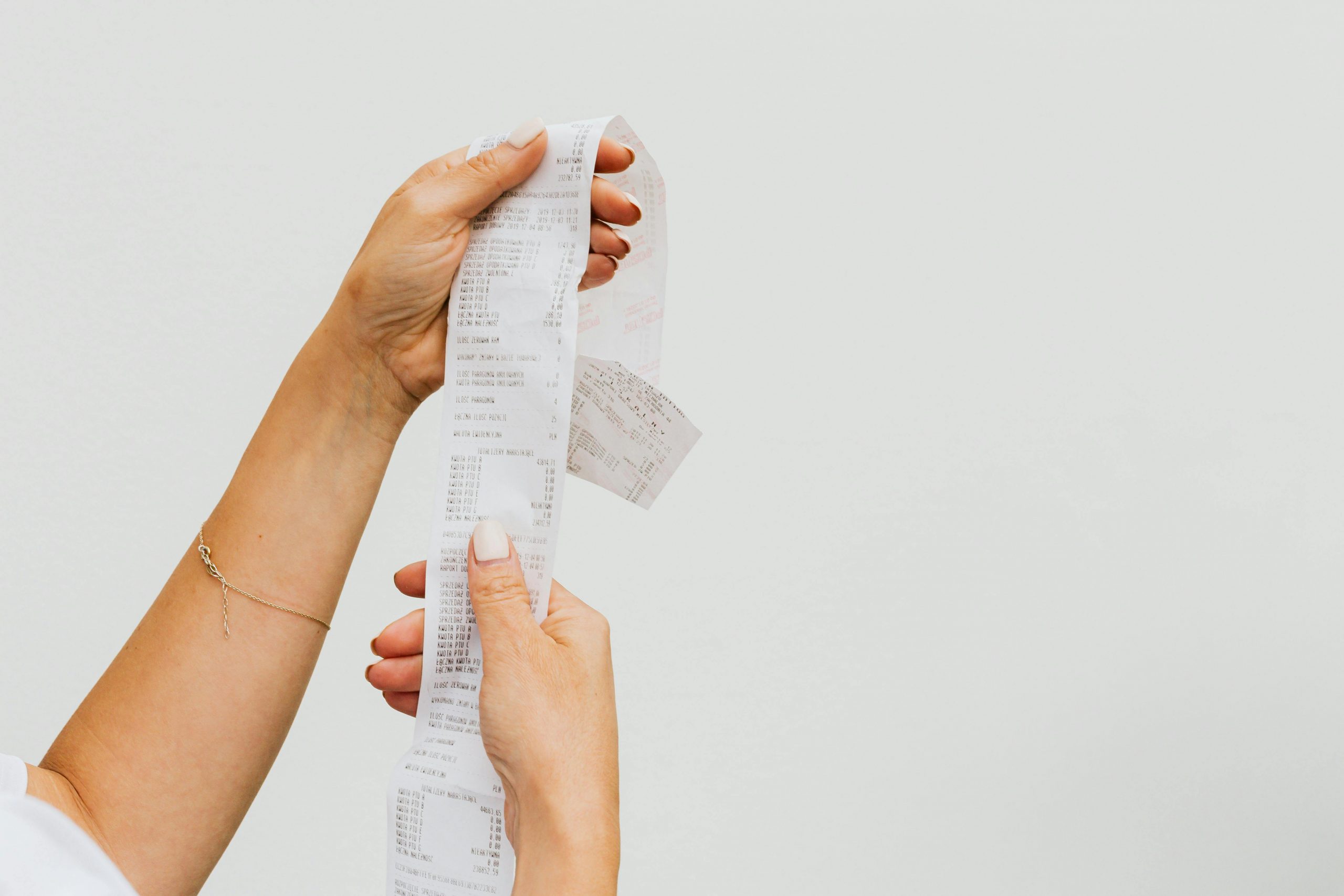
I remember when I was in primary school, standing in the tuckshop queue with R5, thinking that was a lot. If anyone had R20, they were deemed rich on the spot. And R5 got you far: a toasted sarmie, a drink, and a sweet or two. Just imagine what R20 could get you… Nowadays, money seems such an intricate (and stressful) part of our lives; heck, I can’t tell you what I could buy with only R5 today (even chappies have succumbed to inflation).
Grocery shopping has become a numbers game, not a leisurely browse – with many of us fighting to find ways to stretch our budgets beyond imagination. South Africans aren’t cutting their budget, but instead, are developing intricate and unique strategies to feed their families.
The real cost of basics
According to the Household Affordability Index by the Pietermaritzburg Economic Justice & Dignity Group [PMBEJD], the average food spend per month sits around R5,000 – give or take a couple of hundred rands depending on province.
The most shocking part? R5,000 covers food only. No luxury snacks, minimal meat, and definitely no household cleaning materials.

How South Africans are making their grocery budgets work
1. Shopping around
Many people use the ‘shop around’ strategy to make their budgets work for them. This might still be an old-school method, but you can’t fault much of it, except for the time and effort it takes.
They spend a little more on fuel or time to do their homework. They either drive or walk around their community to find which store has the best deals that week, or that month (depending on their spending habits).
These shoppers usually bulk buy foods where they’re the cheapest and that last the longest.
2. Loyalty over loyalty cards
And then there’s the latest, more modern strategy: loyalty cards. I’d place bets that half of the South African population has almost all the loyalty cards they can get their hands on. This heavy reliance on loyalty programmes and digital discounts has benefited those who use them, but there’s a major aspect of trust that comes with it, too.
Loyalty card holders place a lot of trust in familiar brands and stores to consistently offer worthwhile discounts and value. A little risky when you’re not shopping around.
Or, which has become more common practice, they download any supermarket apps to keep track of deals and rewards they might have won. They also price check to ensure they’re getting the most bang for their buck. This is done both in-store and online.
The Woolies Method: The budgeting hack that took over social media
Budgeting hacks and strategies are big on social media platforms, especially TikTok. Many users are sharing what works for them, how they budget, and, perhaps most importantly, where they find the best deals. One strategy that blew up across platforms was The Woolies Method.
Which could be shocking for some – once upon a time, Woolworths was only fit for the people who could afford to shop there. Their refined marketing campaigns, chic store set-ups and exotic grocery items were once unattainable for most South Africans. But luckily, and with the help of inflation, Woolworths has magically become more affordable (with the added quality and value assurances).
This strategy has shoppers buy fresh produce, protein, carbs and a special treat using an easy-to-remember formula: 5-4-3-2-1. 5 Veggies, 4 fruits, 3 proteins, 2 carbs or starches, and 1 special treat or luxury item.
This helps shoppers create a structured shopping list, whether before stepping into Woolworths or while picking up a shopping cart. It has its perks:
- Prevents impulse buying
- Encourages balanced meals
- Makes weekly and bi-weekly shops more predictable and manageable
It is worth noting that this strategy doesn’t account for the basics that you might need to start stocking up on, or replenishing, like cooking oil, spices, aromatics, stocks, and other pantry items. But you could say that the one special item could instead be used for this aspect.
Why it works beyond Woolworths
This strategy isn’t confined to one supermarket. It works across the board, helping shoppers focus on what they actually use, not what looks appealing. It helps to encourage mindful consumption and less food waste, making budgeting feel achievable rather than restrictive.
Today’s grocery budget isn’t just about going without; it’s about shopping with intention. As food prices continue to fluctuate, South Africans are becoming more deliberate about what lands in their baskets, leaning on simple systems and smarter planning rather than restriction. The Woolies Method is but one strategy that reflects a broader shift in how we shop: prioritising nourishment, reducing waste and making room for a little joy along the way.
