
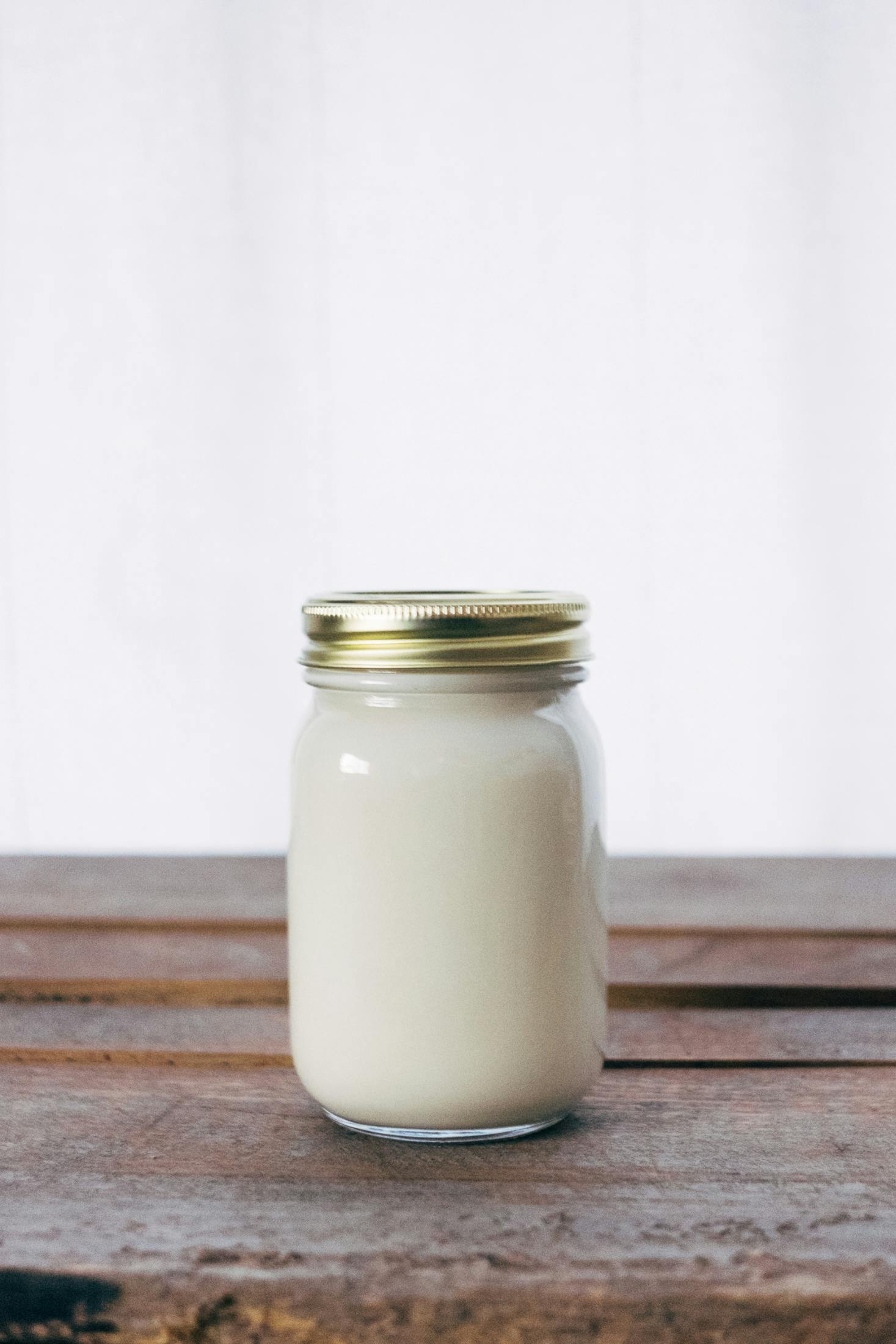
Cultured, or fermented dairy, isn’t something new – it’s been around for centuries. It’s making a comeback, with the wellness and food industry highlighting its multitude of health benefits, from anti-inflammatory to antioxidant and probiotic properties. Over the years, cultured dairy has been seen for what it can really do: adding unique, tangy and creamy flavours to dishes, while boosting gut health and well-being of people who consume it.
Why you should be eating it every day
In its simplest form, cultured dairy is milk or cream with beneficial bacteria. The bacteria, alongside some warmth, transform the dairy liquid into a thicker substance, like yoghurt or kefir, or into a solid, like cheese. These beneficial bacteria are really little wonders. They turn milk or cream from something difficult to digest (for most people) into a product that has major benefits:
- Easing digestion: bacteria break down proteins and sugars in milk or cream, resulting in a “pre-digested” food that makes digestion so much easier and quicker, especially for those who struggle with dairy
- Improves gut health: cultured dairy introduces healthy microbes to your gut that improve and support a healthy gut microbiome, which in turn supports your immune system and improves nutrient absoprtion
- Enhances nutrient absorption: Since bacteria have half-digested this food, the nutrients found in cultured dairy (vitamins, carbs, proteins) are easily absorbed, making them more bioavailable – simply put, your gut is getting more bang for its buck
Common types
There are many types of cultured dairy available, especially in South Africa. Consider incorporating cultured dairy into your morning, lunch and dinner meals for added health benefits. Choose from a range:
- Yoghurt
- Labneh
- Amasi/Maas
- Mabisi
- Cultured buttermilk
- Cultured/fermented butter
- Cottage cheese
- Sour cream
- Créme Fraîche
- Skyr
- Kefir
- A range of soft and hard cheeses
Make your own yoghurt for breakfast or smoothies. Add amasi or mabisi to your morning porridge. Have a cottage cheese bagel for lunch. Make a tasty créme fraîche sauce to go with your ostrich or salmon steak for dinner. The possibilities are endless!
How to make them at home
Many people think that the only way to make cultured dairy at home is with specific cultures. Now, while this might be true for some products, it isn’t an absolute necessity. Don’t think you need to go out and buy a whole lot of tools, instruments and cultures to start making some home-made yoghurt.
While there are specific cultures used to make specific products, like thermophilic cultures to make yoghurt and mesophilic cultures to make cultured buttermilk and fresh cheeses, you can use what you’ve got access to. Cultured dairy bought from the shops already contains the live bacteria needed to make new batches.
Give the process a go by starting out small: think of making your own amasi, cultured buttermilk, and yoghurt. Once you’re happy with your progress on these, slowly branch out into soft cheeses and thick spreads.
If you have any leftover yoghurt in your fridge, then now is the best time to give it a go!
An easy homemade yoghurt recipe
What you’ll need:
- 1/2 cup yoghurt
- 8 cups milk
- Medium pot (aim for a heavy-based steel pot, but a cast-iron one works too)
- Thermometer
- Spatula
- Whisk
- Bowl
- Kitchen towels
Method
- Heat the milk over medium to medium-high heat. Stirring regularly, heat the milk to just below boiling, or about 93ºC. Use a thermometer to be precise; otherwise, turn the heat off immediately at any sign of simmering. Ensure you’re regularly stirring to prevent the milk from burning or boiling over.
- Turn the heat off and let the milk cool to about 44ºC. Stir occasionally to prevent a skin from forming.
- Place about 1 cup of warm milk into a separate bowl. Add the yoghurt and whisk until fully combined.
- Whisking the pot of milk, slowly pour in the milk-yoghurt mixture. This step is known as inoculating the milk with the yoghurt culture.
- Cover the pot with a lid or cling wrap and place it in the oven with the light switched on. Alternatively, cover the pot and wrap it with a few kitchen towels to keep the milk mixture warm as it sets.
- Let this sit for at least 4 hours or overnight. Avoid stirring the mixture until it has set to your liking. The longer the mixture sits, the thicker and more tangy it gets. Check in after 4 hours for a small taste and texture test. Leave to sit for longer if you prefer a thicker, slightly tangier yoghurt.
- When you’re happy with the consistency, whisk any whey collected on the surface back into the mixture. Whisking it also helps create a creamier texture.
- Transfer into storage containers, label and keep refrigerated. Homemade yoghurt keeps for about 2 weeks in the fridge.
Also See: How to Add Fermented Foods to Your Day (That Aren’t Just Sauerkraut or Kimchi)
How to Add Fermented Foods to Your Day (That Aren’t Just Sauerkraut or Kimchi)
